The 4th 7th royal dragoon guards hold a distinguished place in the annals of British military history. Formed in 1922 through the amalgamation of two long-established cavalry regiments, they symbolise bravery, discipline, and adaptation. This regiment witnessed immense change in warfare, moving from traditional horse-mounted operations to mechanised armoured warfare, while retaining its proud heritage and identity over decades of service.
From its formation, the 4th 7th royal dragoon guards embodied both the traditions of their predecessor units and the evolving modern needs of the British Army. The regiment’s early years were defined by ceremonial duties, training in horsemanship, and overseas postings. Their reputation for precision, courage, and loyalty made them a respected unit within the army and a symbol of continuity in British military tradition.
Formation and early history
The 4th 7th royal dragoon guards were officially created in 1922 when the 4th Royal Irish Dragoon Guards merged with the 7th Dragoon Guards. This amalgamation ensured that centuries of history, honours, and traditions were preserved under a single regimental identity. It allowed for greater efficiency in the army while maintaining the esprit de corps and values that had defined both units for generations.
During its early years, the regiment primarily functioned as a cavalry unit. Soldiers trained extensively in horsemanship, discipline, and teamwork, while participating in ceremonial duties across the UK and abroad. The combination of historic cavalry techniques with emerging mechanised methods created a regiment capable of honouring tradition while preparing for the challenges of modern warfare, ensuring the 4th 7th royal dragoon guards remained relevant and respected.
Role in the second world war
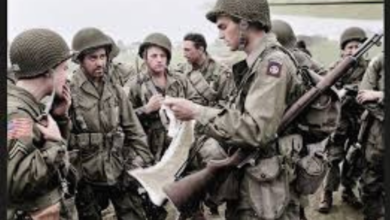
The Second World War marked a significant turning point for the 4th 7th royal dragoon guards, as they transitioned from traditional cavalry to mechanised armour. Tanks and armoured vehicles replaced horses, yet the regiment’s core values of courage, discipline, and strategic skill remained unchanged. They were deployed across France, Belgium, and later in the Normandy campaign, demonstrating remarkable effectiveness on the battlefield.
The regiment played a vital role during D-Day and subsequent operations, supporting infantry movements and advancing Allied positions. Their mechanised capabilities allowed them to adapt to the fast-changing conditions of modern warfare. The 4th 7th royal dragoon guards earned numerous honours for bravery, showing that their historical reputation for excellence extended seamlessly into the age of mechanised combat, leaving an enduring mark on British military history.
Cap badge and regimental insignia
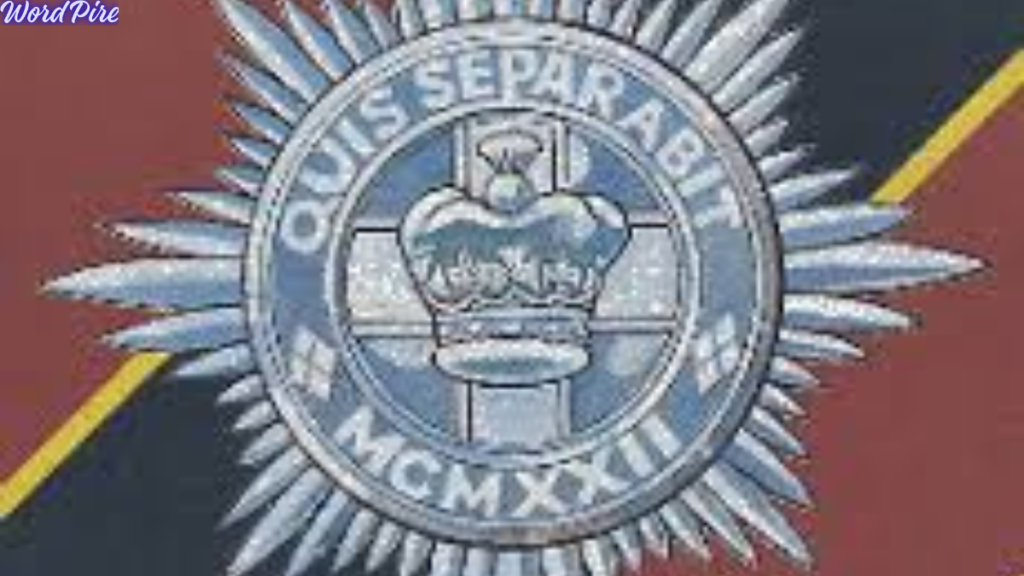
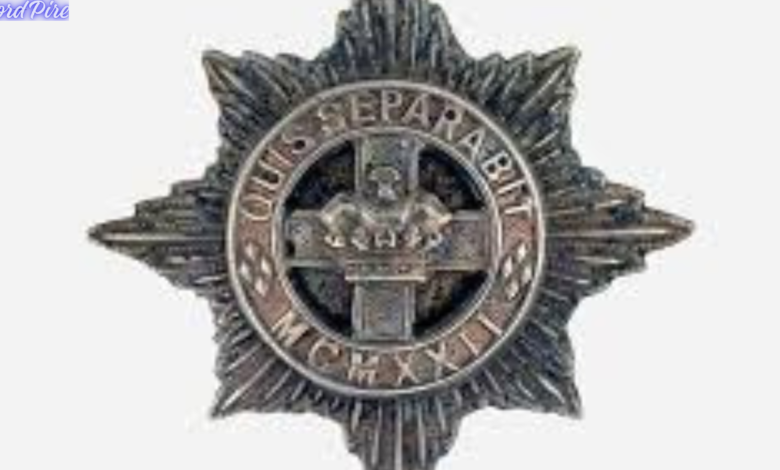
The 4th 7th royal dragoon guards cap badge is one of the most recognisable symbols of the regiment’s heritage. It incorporates elements from both the 4th and 7th Dragoon Guards, reflecting the unity and shared history of the merged regiment. The badge represents honour, loyalty, and the regiment’s long-standing traditions, worn with pride by soldiers past and present.
Over the decades, the cap badge has become an emblem of both personal and collective identity. For collectors and military historians, it offers a tangible link to the regiment’s past. The design communicates a sense of continuity and pride, allowing the 4th 7th royal dragoon guards to maintain their unique identity even after merging into the Royal Dragoon Guards in 1992, demonstrating the enduring power of military symbols.
Post-war history and legacy
After the Second World War, the 4th 7th royal dragoon guards continued to serve in various overseas postings, including Germany and Northern Ireland. Their post-war role adapted to new military challenges while maintaining the traditions and values that had defined them for decades. The regiment’s history became an inspiration for younger soldiers and a model of disciplined, adaptable service.
The eventual merger into the Royal Dragoon Guards in 1992 ensured that the regiment’s legacy continued in a modern armoured unit. Memorials, museums, and regimental associations preserve the stories of heroism, skill, and service that defined the 4th 7th royal dragoon guards. Their history remains a testament to the courage and dedication of all who served, keeping the regiment’s spirit alive for future generations.
Social connections, facebook and reunions
In today’s digital era, the 4th 7th royal dragoon guards maintain a strong presence through social media platforms such as Facebook. These communities allow veterans, descendants, and enthusiasts to connect, share photographs, and recount stories of the regiment’s past, preserving history in an interactive, accessible way for a global audience.
Reunions for the 4th 7th royal dragoon guards provide opportunities for former members and families to gather, celebrate shared experiences, and honour those who served. These events strengthen camaraderie, reinforce regimental traditions, and ensure that the proud legacy of the regiment remains alive. Social connections, both online and in-person, have become crucial to keeping the history of this historic unit relevant.
Conclusion
The 4th 7th royal dragoon guards exemplify bravery, adaptability, and enduring loyalty to the British Army. From early cavalry traditions to mechanised warfare in the Second World War, the regiment has maintained a proud heritage while evolving to meet modern challenges. Its cap badge, memorials, reunions, and online communities ensure that the story of the regiment continues to inspire.
Frequently Asked Questions
What are the 4th 7th royal dragoon guards?
They are a historic British Army cavalry regiment formed in 1922 by merging the 4th and 7th Dragoon Guards.
What does the 4th 7th royal dragoon guards cap badge represent?
The cap badge symbolises the history, traditions, and unity of the regiment, combining elements from both predecessor units.
Are there Facebook groups for the 4th 7th royal dragoon guards?
Yes, several Facebook groups connect veterans, families, and enthusiasts to share memories and historical information.
Where can I attend a 4th 7th royal dragoon guards reunion?
Reunions take place across the UK, often organised by regimental associations and announced through social media platforms.
What role did the 4th 7th royal dragoon guards play in WWII?
They transitioned to mechanised armour, participating in D-Day, Normandy, and campaigns across France and Belgium.
Are there museums displaying the regiment’s history?
Yes, regimental museums and military heritage sites in the UK preserve the legacy of the 4th 7th royal dragoon guards.
Also Read: John Patrick Crichton Stuart