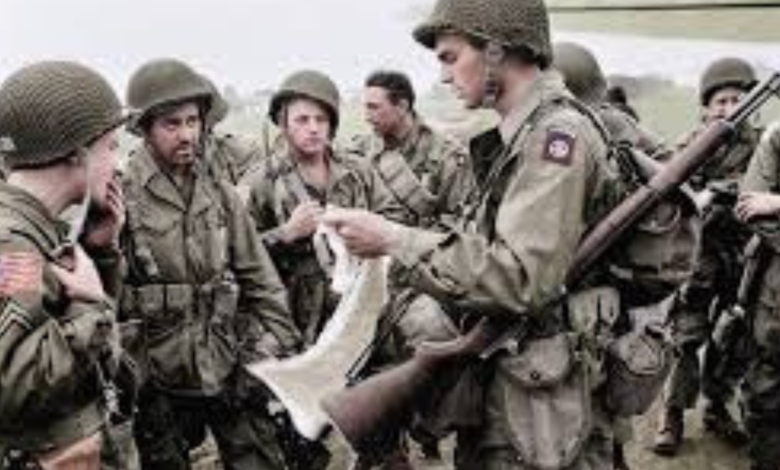
The 82nd airborne division ww2 stands as one of the most celebrated units in United States military history. Nicknamed the “All-American Division,” it was the first U.S. Army airborne division to see combat during World War II. Known for their daring parachute jumps and rapid deployment in critical operations, these paratroopers played pivotal roles in turning the tide of the European theatre. Their courage and skill continue to inspire military historians and enthusiasts alike.
Throughout World War II, the 82nd airborne division ww2 became synonymous with elite paratrooper excellence. From their initial training to high-risk combat missions, the division demonstrated unmatched discipline and effectiveness. They earned a reputation for completing objectives under extreme pressure, often behind enemy lines, which set the standard for airborne forces worldwide.
Formation and Early History of the 82nd Airborne Division
The 82nd airborne division ww2 was originally formed as the 82nd Infantry Division during World War I but was reactivated in 1942 as an airborne unit. Its transformation marked a revolutionary step in military strategy, emphasising rapid deployment and surprise assaults. The division’s soldiers underwent intense training that included parachute jumps, glider landings, and tactical exercises to ensure operational readiness in combat situations.
Training was rigorous and demanding, designed to prepare soldiers for high-risk missions against well-entrenched enemy forces. Paratroopers learned how to navigate hostile territory, operate independently, and work in coordination with other units. The early preparation of the 82nd airborne division ww2 forged a highly capable and versatile force ready for the complexities of European battlefields.
Major Campaigns of the 82nd Airborne Division WW2
The first major combat operation for the 82nd airborne division ww2 was in Sicily during Operation Husky in 1943. Paratroopers were tasked with seizing key positions behind enemy lines, disrupting German and Italian forces, and paving the way for amphibious landings. Their success in Sicily showcased the effectiveness of airborne operations and boosted Allied morale significantly.
Following this, the division played a critical role in the Salerno landings in Italy, supporting the Allied push inland. Later, during D-Day in June 1944, the 82nd airborne division ww2 parachuted into Normandy to secure vital positions and prevent German reinforcements from counterattacking. Their contribution was instrumental in ensuring the success of the Allied invasion and the eventual liberation of France.
Operation Market Garden in September 1944 marked another defining moment for the 82nd airborne division ww2. Deployed in the Netherlands, they captured vital bridges under heavy enemy fire, demonstrating strategic coordination and remarkable bravery. In the winter of 1944-45, the division was also instrumental in the Battle of the Bulge, holding critical lines against a determined German offensive, further cementing their legacy.
Heroes and Leaders of the 82nd Airborne Division
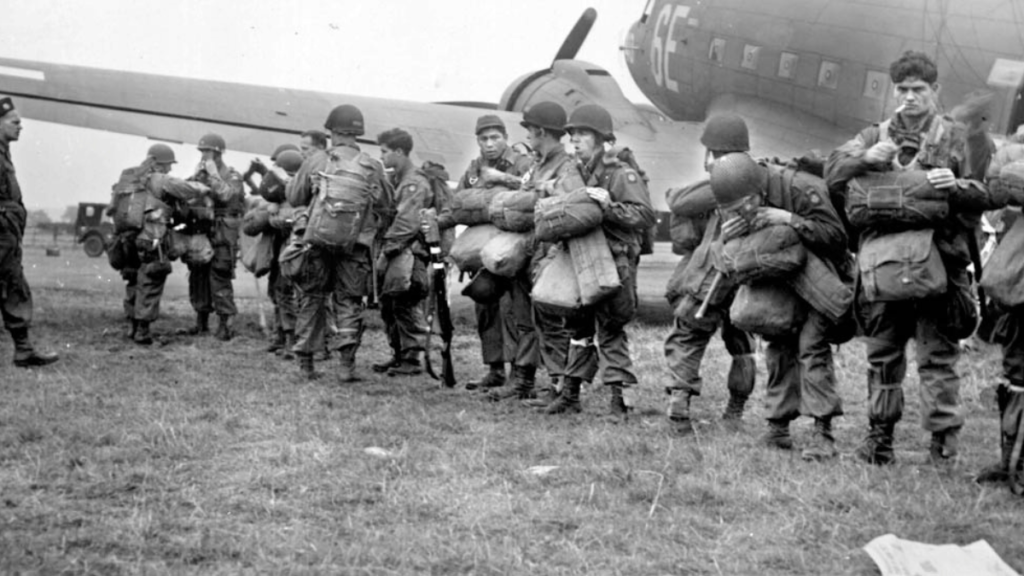
Major General Matthew Ridgway was a key figure in shaping the division’s early strategy, advocating for aggressive airborne tactics and leading from the front. His leadership instilled confidence in soldiers and helped ensure successful execution of complex operations. Major General James M. Gavin later commanded the division, known for innovative strategies and hands-on leadership during Market Garden and the Battle of the Bulge.
Individual paratroopers also achieved legendary status through acts of heroism. Soldiers of the 82nd airborne division ww2 carried out daring missions under enemy fire, earning decorations and accolades. Their courage not only contributed to tactical victories but also inspired future generations of airborne soldiers, highlighting the enduring impact of the division on military history.
Equipment, Uniforms, and Airborne Tactics
The 82nd airborne division ww2 was equipped with specialised gear to suit their airborne operations. Paratroopers carried M1 rifles, Thompson submachine guns, and lightweight artillery, while glider units transported essential equipment and supplies. Uniforms were adapted for mobility, parachute jumps, and harsh battlefield conditions, ensuring operational efficiency during missions.
Airborne tactics relied on speed, surprise, and adaptability. Soldiers were trained to operate in small units behind enemy lines, seize strategic objectives, and communicate effectively under pressure. These tactics, coupled with innovative use of gliders and parachutes, allowed the 82nd airborne division ww2 to accomplish missions that conventional infantry units could not, highlighting the division’s unique battlefield advantage.
82nd Airborne Division WW2 Roster
The 82nd airborne division ww2 roster included three primary regiments: the 505th, 507th, and 508th Parachute Infantry Regiments. Each regiment comprised several battalions specialising in infantry, artillery, and reconnaissance, forming a well-rounded and highly capable combat force.
Documenting the roster is important for historians and military enthusiasts, as it provides insight into the individuals who shaped the division’s legacy. Many soldiers’ contributions are preserved in archives, museums, and historical records, ensuring that their bravery and sacrifices remain recognised. The roster also helps connect descendants and researchers to the division’s heroic history.
Legacy of the 82nd Airborne Division
The 82nd airborne division ww2 left an indelible mark on military history. Their innovative tactics, disciplined execution, and courageous actions influenced modern airborne operations worldwide. Memorials, museums, and commemorations continue to honour the division’s achievements and ensure that the stories of these paratroopers are remembered.
The division’s legacy goes beyond battlefield accomplishments. It exemplifies courage, resilience, and strategic ingenuity. From D-Day to the Battle of the Bulge, the 82nd airborne division ww2 demonstrated the effectiveness of airborne operations and inspired future generations of soldiers, preserving its place as one of the most respected divisions in U.S. military history.
Conclusion
The 82nd airborne division ww2 represents the pinnacle of paratrooper excellence during World War II. From its formation and rigorous training to decisive actions in major European campaigns, the division’s contributions were crucial to Allied success. Remembering their bravery, tactical innovations, and heroic sacrifices ensures that the legacy of the 82nd airborne division ww2 remains alive for generations to come.
Frequently Asked Questions
What was the 82nd airborne division known for in WWII?
Elite paratroopers conducting major airborne operations in Europe.
Who led the 82nd airborne division during World War II?
Major Generals Matthew Ridgway and James M. Gavin commanded the division.
Which campaigns did the 82nd airborne division participate in?
Sicily, Italy, Normandy (D-Day), Market Garden, Battle of the Bulge, and Central Europe.
What does the 82nd airborne division ww2 roster include?
505th, 507th, and 508th Parachute Infantry Regiments with supporting battalions.
How did the 82nd airborne division contribute to D-Day?
They parachuted behind enemy lines to secure key positions and disrupt German forces.
What equipment and tactics were used by the 82nd airborne division?
Parachutes, M1 rifles, submachine guns, gliders, and rapid airborne assault tactics.
Where can I learn more about the 82nd airborne division ww2?
Museums, archives, historical websites, and the 82nd Airborne Division Museum.
Also Read: Swallows and Amazons Book Series