Alliaria petiolata is a well-known biennial wild plant that appears across much of the British countryside, particularly in spring and early summer. Often recognised by its garlic-like scent when crushed, the plant has attracted attention for centuries due to its culinary history, ecological impact, and ease of identification. Its presence along woodland edges and hedgerows makes it familiar to walkers and gardeners alike.
In recent years, alliaria petiolata has become a topic of growing interest in the UK because of its changing role in local ecosystems. Once viewed mainly as a useful wild herb, it is now also discussed in relation to biodiversity and conservation. Understanding its background, characteristics, and behaviour helps create a clearer picture of why this plant continues to generate debate and fascination.
Botanical Background and Plant Family
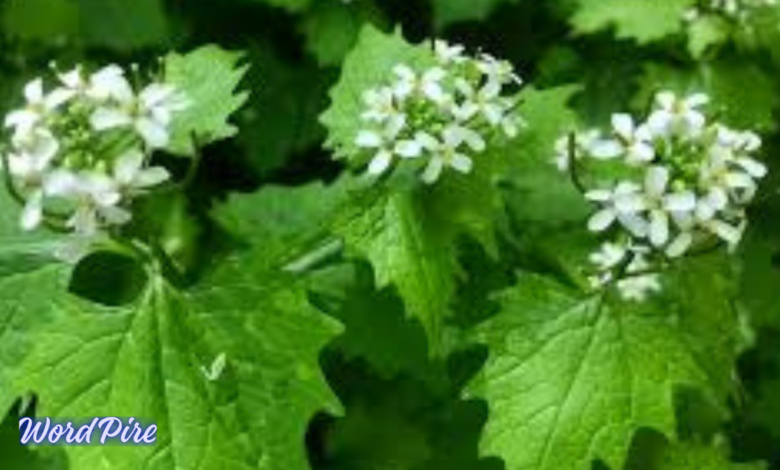
Alliaria petiolata belongs to the Brassicaceae family, a large group commonly referred to as the mustard family. This family includes many cultivated vegetables and wild plants that share similar floral structures and growth habits. The small white flowers of garlic mustard reflect this relationship, displaying the familiar four-petalled shape typical of the family.
The plant follows a biennial life cycle, meaning it grows leaves during its first year and flowers during its second. This growth pattern allows alliaria petiolata to store energy before producing seeds in large quantities. Its scientific naming reflects both its garlic aroma and its leaf structure, linking botanical classification closely with physical characteristics.
Identification and Seasonal Appearance
Identifying alliaria petiolata in the wild is relatively simple once its key features are known. The leaves are heart-shaped with gently toothed edges, and when rubbed or crushed they release a strong garlic scent. During its flowering stage, the plant produces clusters of small white flowers that stand out clearly against green foliage.
Seasonal changes play a major role in how the plant appears. In early spring, young leaves form low rosettes close to the ground. By late spring and early summer, tall flowering stems emerge, sometimes reaching a metre in height. These changes make alliaria petiolata visible for much of the year, especially in shaded natural areas.
Habitat and Distribution Across the UK
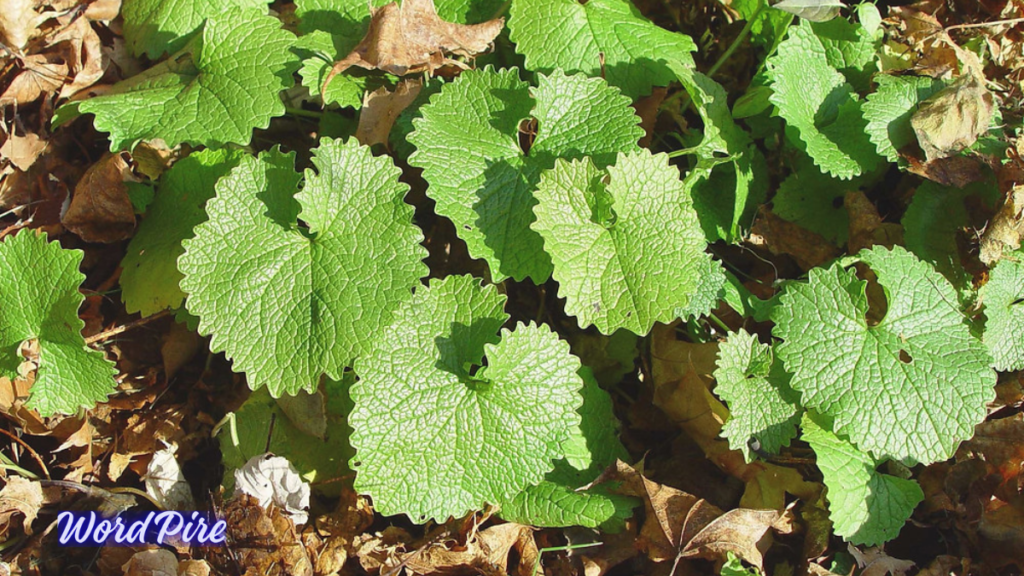
Alliaria petiolata is native to Europe and western Asia and has long been part of the UK’s natural flora. It thrives in moist, shaded environments such as woodland margins, hedgerows, riverbanks, and urban green spaces. Its ability to adapt to different soil types has allowed it to spread widely across England, Wales, and parts of Scotland.
The plant prefers nutrient-rich soil but can survive in less favourable conditions, giving it a competitive advantage over more delicate species. Because of this adaptability, alliaria petiolata often appears in disturbed areas, including footpaths and unmanaged land. Its widespread distribution makes it one of the most recognisable wild plants in the British landscape.
Culinary Use and Nutritional Considerations
Historically, alliaria petiolata played an important role in traditional cooking, particularly before cultivated garlic became widely available. Its leaves and flowers were used to add flavour to salads, sauces, and simple dishes. The taste combines mild garlic and mustard notes, making it appealing to foragers interested in seasonal ingredients.
Despite its edible nature, the plant should be consumed with care. Alliaria petiolata contains oxalic acid, which can be harmful if eaten in large quantities. While small amounts are generally considered safe for most people, moderation is essential. Understanding both its culinary value and its limitations is key to responsible use.
Ecological Impact and Invasive Behaviour
In certain environments, alliaria petiolata is now regarded as an invasive species due to its ability to spread rapidly and dominate woodland floors. Its high seed production and tolerance of shade allow it to outcompete native plants, reducing overall biodiversity. This has raised concerns among conservationists and land managers.
The plant also affects soil chemistry, which can limit the growth of surrounding vegetation. In the UK, efforts to manage alliaria petiolata focus on balancing control with ecological awareness. Removing it responsibly helps protect native species while acknowledging that it remains a long-established part of the landscape.
Cultural Significance and Public Awareness
Beyond its ecological role, alliaria petiolata holds cultural significance across Europe. Known by various names in different languages, it has appeared in folk traditions, herbal practices, and local knowledge for generations. These cultural connections highlight the plant’s historical importance beyond its modern reputation.
In the UK, increasing public awareness has shifted how people view garlic mustard. Educational initiatives encourage identification skills and responsible management rather than complete eradication. This balanced approach allows people to appreciate alliaria petiolata while understanding its impact on natural habitats.
Conclusion
Alliaria petiolata is a plant that reflects the complex relationship between humans and nature. Valued for its history, flavour, and resilience, it also presents challenges due to its impact on native ecosystems. Its widespread presence ensures it remains part of ongoing environmental discussion in the UK.
By learning about its identification, growth habits, and ecological role, readers can develop a deeper understanding of alliaria petiolata. Knowledge encourages responsible interaction, whether through conservation, education, or simple appreciation of the natural world.
Frequently Asked Questions
What is alliaria petiolata?
Alliaria petiolata is a biennial wild plant commonly known as garlic mustard.
Is alliaria petiolata edible?
Yes, alliaria petiolata is edible when consumed in moderation.
What does alliaria petiolata smell like?
The leaves of alliaria petiolata release a strong garlic scent when crushed.
Where does alliaria petiolata grow in the UK?
Alliaria petiolata grows widely in UK woodlands, hedgerows, and shaded areas.
Is alliaria petiolata invasive?
Yes, alliaria petiolata can behave invasively and outcompete native plants.
Which family does alliaria petiolata belong to?
Alliaria petiolata belongs to the Brassicaceae, or mustard, family.
Does alliaria petiolata contain oxalic acid?
Yes, alliaria petiolata contains oxalic acid and should be eaten in small amounts.
When does alliaria petiolata flower?
Alliaria petiolata typically flowers in spring and early summer.
Can alliaria petiolata affect biodiversity?
Yes, dense growth of alliaria petiolata can reduce native plant diversity.
Why is alliaria petiolata called garlic mustard?
It is called garlic mustard because of its garlic aroma and mustard-like taste.
Also Read: Ibex House Minories