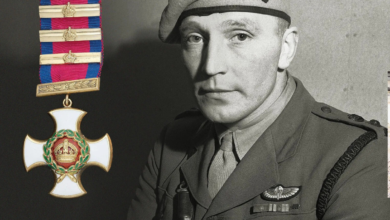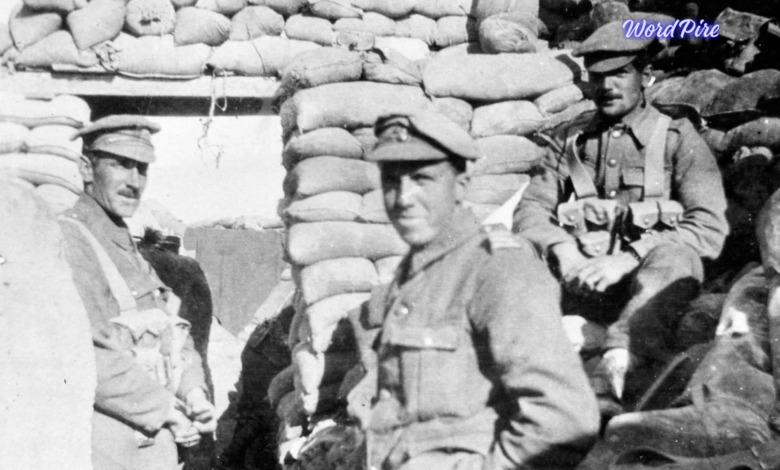
The Royal Fusiliers WW1 were one of the most distinguished regiments in the British Army during the First World War. Known as the City of London Regiment, the Royal Fusiliers had a proud history of service dating back to 1685. During WW1, they raised multiple battalions to meet the immense demand of the Great War, making a significant contribution on both the Western Front and other theatres of conflict.
The regiment’s involvement in WW1 was remarkable for its scale and dedication. Thousands of soldiers enlisted in various battalions, from regular army units to volunteer formations. These men endured the horrors of trench warfare, harsh weather conditions, and continuous enemy fire, demonstrating courage and resilience. Their collective efforts helped shape the outcomes of key battles and secured the Royal Fusiliers’ place in British military history.
Formation and Structure of the Royal Fusiliers in WW1
The Royal Fusiliers WW1 were organised into a large number of battalions, each tasked with specific duties. Regular battalions, such as the 1st and 2nd, were deployed to frontline combat, while volunteer battalions like the 8th and 17th supported reinforcements and special operations. This structure allowed the regiment to maintain flexibility and respond to the rapidly changing needs of the battlefield.
Understanding the organisation of the Royal Fusiliers WW1 is essential to appreciating their effectiveness. Each battalion maintained its own command structure, training routines, and operational focus. Reserve battalions were crucial for supplying reinforcements and maintaining troop strength, while active battalions engaged directly in offensive and defensive operations. The coordinated efforts of all battalions ensured that the regiment could fight effectively across multiple fronts.
Key Battalions and Their Contributions
The 1st Battalion Royal Fusiliers WW1 played a central role in many early engagements. They participated in major battles, often enduring heavy casualties while achieving strategic objectives. Their actions demonstrated both courage and tactical skill, setting a standard for the rest of the regiment. Similarly, the 2nd Battalion Royal Fusiliers WW1 contributed to critical offensives and defensive operations, providing stability and reinforcements where they were needed most.
Volunteer battalions, including the 8th, 9th, 10th, 11th, 12th, 17th, 23rd, and 24th Royal Fusiliers WW1, were integral to the regiment’s success. These units often consisted of volunteers from civilian backgrounds, including university students and professionals. Despite limited initial military experience, these battalions displayed exceptional bravery and adaptability, making important contributions to campaigns across the Western Front. Their involvement highlights the collective effort required during the Great War.
Life in the Regiment: Uniforms, Cap Badges, and Daily Life
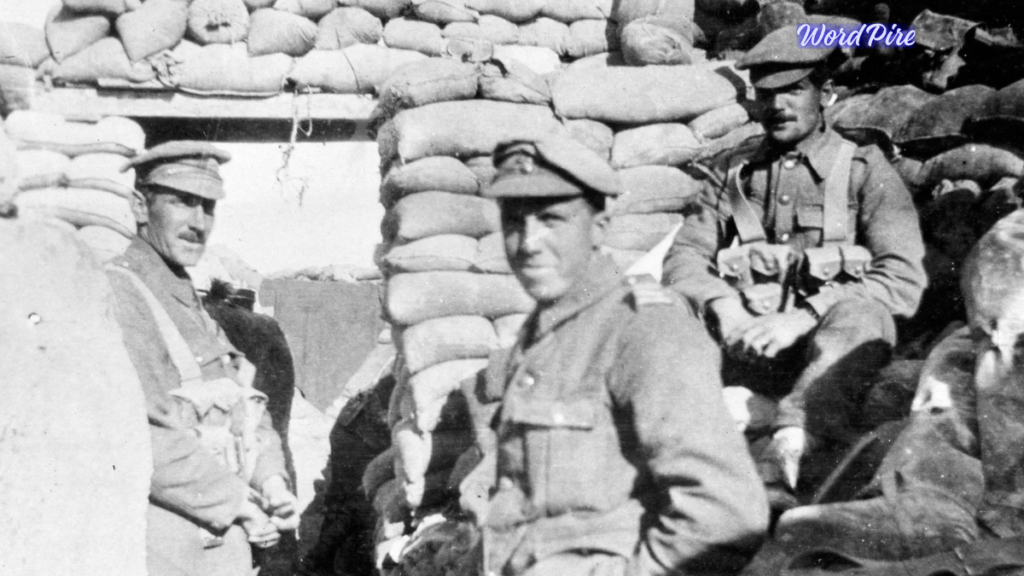
The Royal Fusiliers WW1 uniform was distinctive and designed for both functionality and recognition. Soldiers wore standard British Army tunics and trousers, along with sturdy boots and helmets suited for combat conditions. Each battalion had slight variations in insignia, allowing for identification during chaotic battlefield conditions. Uniforms not only provided protection but also helped instil a sense of pride and belonging among soldiers.
Cap badges were particularly significant for the Royal Fusiliers WW1, symbolising their heritage and identity. These badges often featured the regiment’s motto and emblem, representing loyalty and honour. Beyond their uniforms, soldiers faced the daily hardships of trench life, including long hours of guard duty, poor sanitation, and constant exposure to enemy fire. Diaries and letters from the time give a vivid insight into the experiences of these men.
Battles, War Diaries, and Records
The Royal Fusiliers WW1 were involved in some of the most intense battles of the war. From the Somme to Ypres, soldiers faced relentless artillery bombardments and challenging terrain. Each battalion kept meticulous records of troop movements, casualties, and operational details, which were later compiled into war diaries. These documents are invaluable sources for historians and descendants researching the regiment’s history.
Battalion-specific records, such as those of the 10th, 12th, and 17th Royal Fusiliers WW1, offer insight into both strategic operations and personal experiences. War diaries detail not only battles but also the daily routines and hardships faced by soldiers. Accessing Royal Fusiliers WW1 records today allows researchers to trace the contributions of individual battalions, providing a rich historical account of the regiment’s service.
Legacy and Commemoration
The legacy of the Royal Fusiliers WW1 is preserved through memorials, museums, and regimental archives. Thousands of soldiers sacrificed their lives, and their bravery is commemorated in the UK and abroad. Memorials in London and other cities honour the men of the regiment, while museums display uniforms, medals, and war diaries, helping the public understand their contributions to the war.
Preserving the history of the Royal Fusiliers WW1 ensures that future generations can appreciate the sacrifices made during the Great War. Historical records, war diaries, and regimental museums allow researchers and enthusiasts to explore the regiment’s achievements in detail. The courage, commitment, and resilience of the Royal Fusiliers remain a testament to the enduring spirit of the British Army.
Frequently Asked Questions
What were the Royal Fusiliers known for in WW1?
The Royal Fusiliers WW1 were known for bravery, resilience, and their participation in key battles on multiple fronts.
How many battalions did the Royal Fusiliers raise during WW1?
The regiment raised more than forty battalions, including both regular and volunteer units.
Where can I find Royal Fusiliers WW1 records?
Records can be accessed at the National Archives, regimental museums, and online military databases.
Which battles did the 1st and 3rd Battalions Royal Fusiliers fight in?
They were engaged in major Western Front battles, including offensives and defensive operations with heavy combat involvement.
How did the Royal Fusiliers WW1 uniforms differ from other regiments?
The uniforms featured specific insignia and cap badges representing the City of London Regiment, distinguishing them from other British units.
Are Royal Fusiliers WW1 war diaries publicly accessible?
Yes, most war diaries are preserved in archives and are available for historical research.
Also Read: Elizabeth Stuart Daughter of Charles I