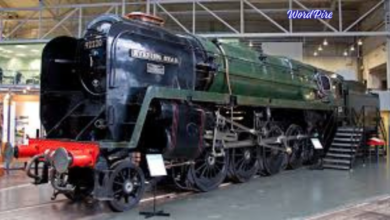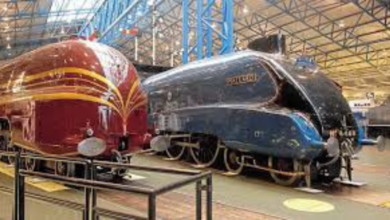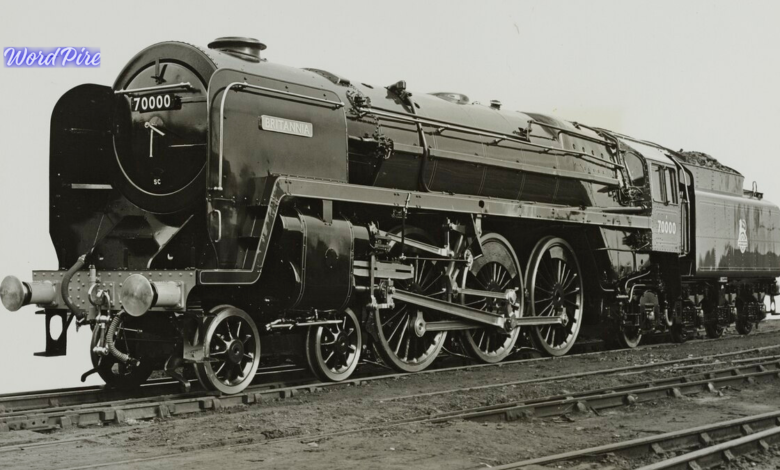
The britannia class loco names represent one of the most celebrated series of steam locomotives in British railway history. Designed in the post-war era, these locomotives captured the imagination of railway enthusiasts and the general public alike. Each name holds a story, connecting modern audiences to the engineering excellence and cultural pride of mid-20th century Britain.
Understanding the britannia class loco names is more than a study of numbers and letters; it is a journey into the traditions and innovations of British Railways. These names immortalised historical figures, literary icons, and British legends, giving each locomotive a distinct identity that continues to inspire railway fans, historians, and model collectors today.
History of the Britannia Class Locomotives
The britannia class loco names belong to the BR Standard Class 7, developed by Robert Riddles in the early 1950s. British Railways aimed to standardise locomotive design after World War II, ensuring reliability and performance across the national network. The Standard Class 7 locomotives were designed for long-distance express passenger services, combining power, efficiency, and elegance.
Construction began at Crewe Works in 1951, producing a total of 55 locomotives. The 4-6-2 Pacific wheel arrangement allowed for high-speed operation while hauling heavy trains. The britannia class loco names were officially assigned to give each engine a unique identity, reflecting a blend of historical respect and engineering pride.
The Naming Tradition
The britannia class loco names followed a distinct tradition, honouring British history, literature, and mythology. Names like 70000 Britannia symbolised national pride, while others such as 70003 John Bunyan or 70006 Robert Burns reflected literary and cultural significance. This approach elevated locomotives beyond functional machinery to symbols of heritage and identity.
Naming locomotives helped build a connection with the public and railway staff alike. Each of the britannia class loco names reinforced the importance of British achievement and contributed to a sense of pride in railway services. Over time, these names have become cherished markers of the golden age of steam, still admired by enthusiasts today.
Complete List of Britannia Class Loco Names
The britannia class loco names encompass all 55 BR Standard Class 7 locomotives, from 70000 Britannia to 70054. Notable examples include 70001 Lord Hurcomb, 70022 Tornado, and 70019 Lightning, each carrying a story from British history or culture. Every locomotive received a name, with one exception being scrapped before naming.
Some locomotives are preserved, while others were retired or scrapped. Preservation of these engines allows enthusiasts to experience history firsthand, watching the britannia class loco names in operation on heritage lines. Maintaining the legacy of these names ensures the continued appreciation of British steam engineering excellence.
Preservation and Legacy
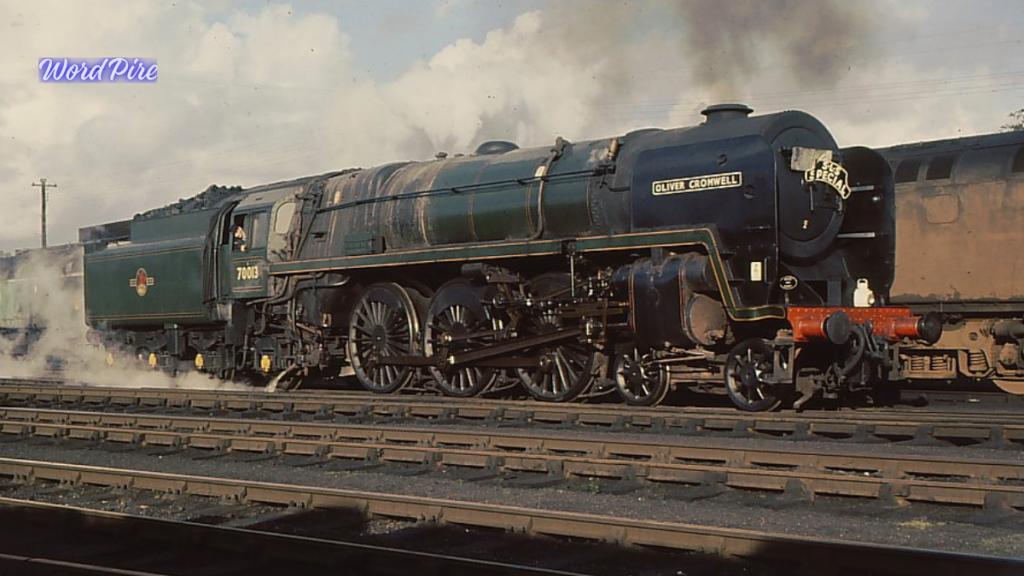
Many britannia class loco names survive today through preservation efforts across UK heritage railways. Engines such as 70000 Britannia and 70013 Oliver Cromwell are operational, delighting visitors with the sights and sounds of steam. Preservation not only maintains the locomotives but also celebrates the history and stories behind each name.
These preserved locomotives provide educational opportunities for younger generations to connect with British engineering history. The britannia class loco names remain cultural icons, inspiring railway enthusiasts, historians, and model collectors to explore the heritage and design of mid-20th century steam locomotives. Heritage railways play a crucial role in keeping this legacy alive.
Technical Features and Specifications
The britannia class loco names belong to locomotives engineered for speed, reliability, and performance. The 4-6-2 Pacific wheel arrangement, coupled with a high-pressure boiler and standardised parts, allowed for efficient operation across the national railway network. These locomotives represented the pinnacle of British steam engineering at the time.
Their technical specifications complemented their symbolic importance. Each of the britannia class loco names was assigned to an engine capable of hauling express passenger trains at impressive speeds. The combination of engineering excellence and prestigious naming made these locomotives icons of both performance and culture, leaving a lasting impression on British railway history.
Conclusion
The britannia class loco names form an essential chapter in the story of British railways. Combining technical innovation, cultural significance, and public admiration, these locomotives remain among the most celebrated in history. From their construction and operation to preservation and ongoing study, the legacy of the Britannia Class continues to inspire.
By understanding the britannia class loco names, enthusiasts and historians can appreciate the heritage and craftsmanship of British steam engines. Whether observed on heritage lines or explored through archives, these locomotives and their names offer a window into a bygone era of national pride and engineering achievement.
Frequently Asked Questions
What were the first and last Britannia Class loco names?
The first was 70000 Britannia, while the last numbered locomotive was 70054.
How many Britannia Class locomotives were built?
A total of 55 BR Standard Class 7 locomotives were constructed between 1951 and 1954.
Which Britannia Class locomotives are preserved today?
Notable preserved engines include 70000 Britannia, 70013 Oliver Cromwell, and 70022 Tornado.
Who designed the Britannia Class locomotives?
The locomotives were designed by Robert Riddles for British Railways.
Why were Britannia Class locomotives named instead of numbered?
Names honoured historical and literary figures, increasing public recognition and prestige.
What is the most famous Britannia Class locomotive?
70000 Britannia is the most iconic, representing British engineering and cultural pride.
Where can I see Britannia Class locomotives in the UK?
Preserved locomotives are operational on heritage railways, including the Severn Valley Railway and Great Central Railway.
Also Read: Hertha Zehlendorf