Mount Everest, the highest peak in the world, has long been the ultimate goal for mountaineers. Along its Northeast Ridge lie three notable rock formations known as the Three Steps, each presenting unique challenges to climbers. Among them, the Mt Everest Second Step stands out as one of the most difficult and critical points. Understanding its significance is essential for appreciating the mountain’s complexity and the endurance required to summit successfully.
The Mt Everest Second Step is a test of both physical strength and mental fortitude. Located at an altitude of 8,610 metres (28,250 feet), it sits just a short distance below the summit yet presents some of the most dangerous climbing conditions on the entire route. Extreme altitude, strong winds, and steep rock faces make this section an iconic challenge for climbers aiming for the top of the world.
What is the Mt Everest Second Step?
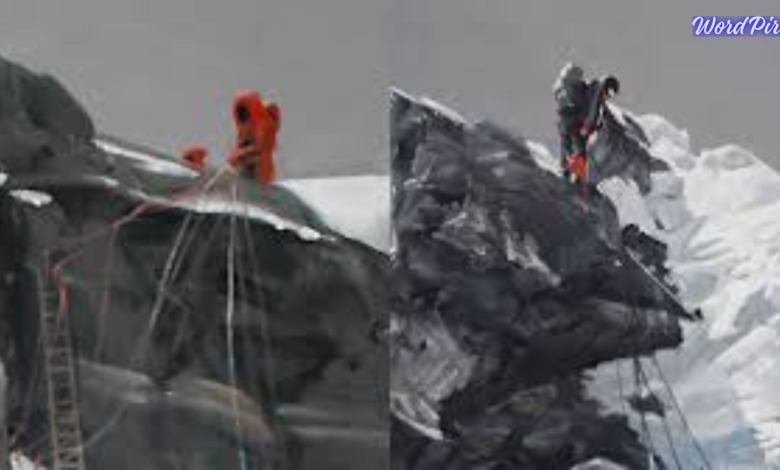
The Mt Everest Second Step is the middle of the three prominent rock steps along the Northeast Ridge. This section consists of a vertical rock face roughly 40 metres high, requiring climbers to engage in technical rock climbing even at high altitudes. Unlike the First and Third Steps, the Second Step demands precise movements and careful planning to navigate safely without injury.
Climbers face multiple hazards on the Mt Everest Second Step, including exposure to high winds and extremely low temperatures. The thin air at this elevation makes every step exhausting, while the sheer drop below adds psychological pressure. To overcome these difficulties, most climbers rely on fixed ropes and the Chinese ladder, which aids in climbing this notoriously challenging section.
History and Notable Ascents
The history of the Mt Everest Second Step is intertwined with the legendary expeditions of the early twentieth century. George Mallory and Andrew Irvine famously attempted this route in 1924, making the Second Step a symbol of mountaineering courage. Although it remains unclear whether they reached the summit, their attempts highlighted the extreme technical difficulty and altitude challenges associated with this part of Everest.
Over the years, the Mt Everest Second Step has been conquered by countless climbers using modern techniques and equipment. The successful ascents of this rock face mark milestones in mountaineering history, showing how innovation and training have made it possible to overcome one of the last formidable obstacles before the summit. Each climb adds to the legend of this iconic section of Everest.
Climbing the Second Step – Difficulty and Risks
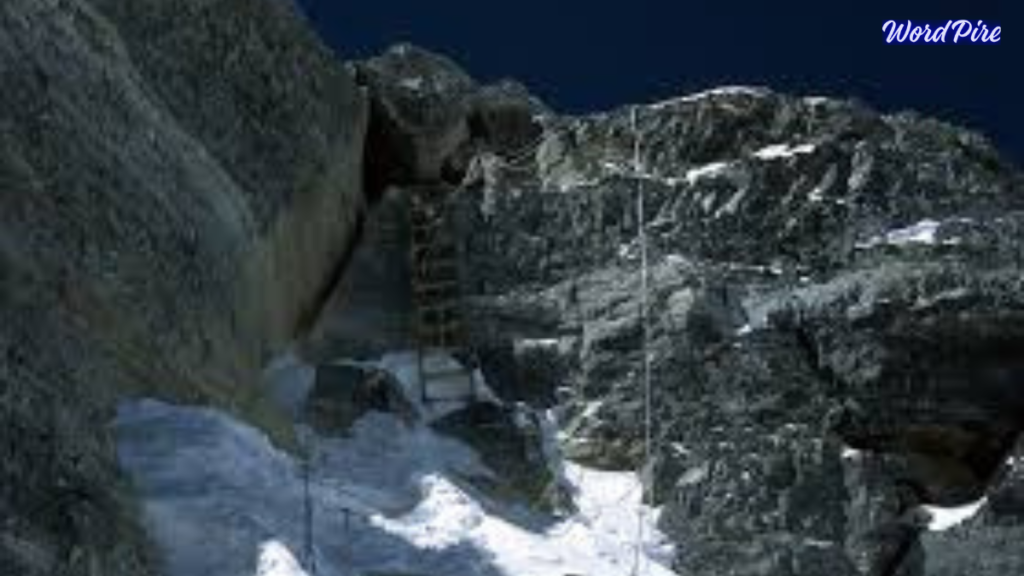
The Mt Everest Second Step is widely regarded as the most technically demanding part of the Northeast Ridge route. The combination of a vertical rock face, extreme altitude, and harsh environmental conditions makes it a perilous climb. Even experienced mountaineers must carefully plan their approach to minimise risks and preserve energy for the final push to the summit.
Climbers face multiple hazards, including severe frostbite, altitude sickness, and falls. The section’s exposure leaves no margin for error, making the Chinese ladder a crucial aid for many. Despite these safety measures, the Mt Everest Second Step continues to test the endurance, skill, and courage of anyone attempting to conquer it, demanding both precision and resilience.
Preparation and Tips for Climbers
Preparation for the Mt Everest Second Step requires rigorous training and meticulous planning. Climbers must develop technical rock climbing skills, high-altitude endurance, and mental resilience to tackle this demanding section. Essential equipment includes ice axes, climbing harnesses, ropes, and often supplemental oxygen to navigate the thin air safely.
Acclimatisation plays a key role in surviving the extreme altitude of the Mt Everest Second Step. Climbers ascend gradually, spending time at various camps to allow their bodies to adjust. In addition, mental preparation is critical, as the exposure and danger require focus, patience, and sound decision-making under intense pressure, ensuring a higher chance of reaching the summit safely.
Mt Everest Second Step in Modern Mountaineering
In modern mountaineering, the Mt Everest Second Step remains a defining challenge for climbers. Advances in climbing technology, including fixed ropes, ladders, and improved equipment, have made it more accessible. Nevertheless, the inherent risks of extreme altitude and weather conditions remain, ensuring that it continues to test the skill and courage of every climber who attempts it.
The Second Step is also a subject of fascination for mountaineering enthusiasts and researchers. Its historical significance, combined with the physical and psychological challenge it presents, makes it a symbol of human endurance. Climbers, scientists, and documentary filmmakers continue to study and document this remarkable part of Everest, keeping its story alive for generations to come.
Conclusion
The Mt Everest Second Step is much more than a rock formation; it is a test of human strength, skill, and determination. Its altitude, technical difficulty, and historical importance make it one of the most iconic challenges in mountaineering. Climbers who reach and overcome this obstacle gain a profound appreciation for both the mountain and the achievements of those who came before.
Success on the Mt Everest Second Step represents the culmination of preparation, courage, and endurance. Understanding this section provides insight into the extraordinary physical and mental demands of high-altitude climbing. As Everest continues to draw adventurers from across the world, the Second Step remains a legendary milestone on the path to the summit.
Frequently Asked Questions
What is the height of the Mt Everest Second Step?
The Mt Everest Second Step is located at 8,610 metres (28,250 feet), making it one of the highest vertical rock faces in the world.
Why is the Second Step so difficult?
Its combination of extreme altitude, vertical rock, harsh weather, and thin air makes climbing the Second Step a significant challenge for all mountaineers.
Who first climbed the Mt Everest Second Step?
While Mallory and Irvine famously attempted it in 1924, modern climbers have successfully ascended it using advanced techniques and equipment.
Is the ladder always used on the Second Step?
Many climbers rely on the Chinese ladder, especially in harsh conditions, to navigate the steep vertical section safely.
Do climbers need supplemental oxygen for the Second Step?
Most climbers use supplemental oxygen because the thin air at this altitude makes breathing extremely difficult without assistance.
How long does it take to climb the Second Step?
The time required depends on weather, climber experience, and acclimatisation, but careful planning is essential for a safe ascent.
What are the main risks of the Second Step?
Altitude sickness, frostbite, extreme winds, and falls from exposed sections are the primary dangers on the Mt Everest Second Step.
Also Read: Ecuador Equator