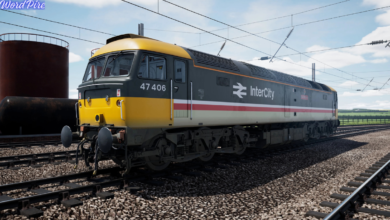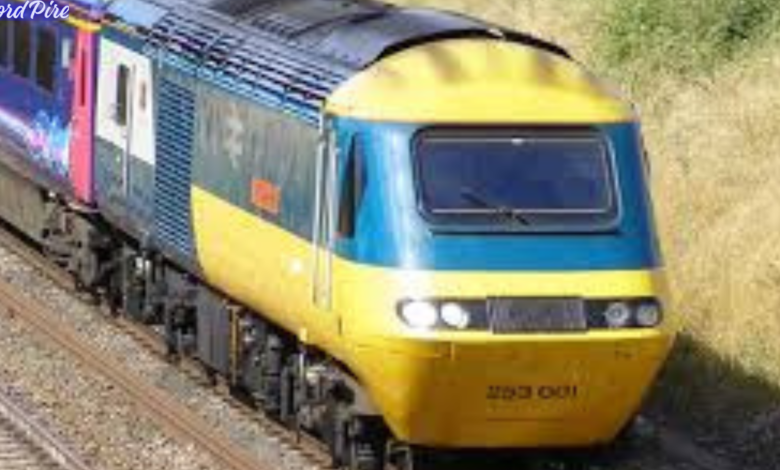
The Class 43 fleet list is an essential record for anyone interested in British railway history. These power cars were the backbone of the InterCity 125 High-Speed Trains (HST), which revolutionised rail travel in the UK from the 1970s onwards. The fleet list documents every unit, including build details, names, liveries, and operational status, providing enthusiasts and historians with a complete overview of this iconic class.
Beyond technical details, the Class 43 fleet list captures the cultural significance of these HST power cars. Many units have been preserved, displayed in museums, or remain in service, making the fleet list a valuable resource for tracking their legacy. Rail enthusiasts often rely on this list for spotting, photography, and heritage projects, ensuring the Class 43 story continues for generations.
History of the Class 43 Power Cars
The Class 43 power cars were introduced as part of British Rail’s InterCity 125 programme in the 1970s. Designed for speed and reliability, they brought diesel-electric technology to the forefront of UK rail engineering. With a top speed of 125 mph, these HST units transformed long-distance travel, offering passengers faster journeys and improved comfort. The fleet list details every power car produced, highlighting the scale of this transformation.
Each entry in the Class 43 fleet list reflects a unique history. Some units were named after notable figures or regions, while others served specific routes for decades. Over time, refurbishments and engine replacements occurred, and the fleet list tracks these changes meticulously. For historians and railway enthusiasts, the Class 43 fleet list offers a window into the evolution of high-speed rail in Britain.
Complete Class 43 Fleet List
The Class 43 fleet list provides a detailed record of all HST power cars, including numbers, names, liveries, and operational status. Some units, like 43002 “Ma” or 43020 “MTU Power,” have become famous among enthusiasts. By consulting the fleet list, one can track which units are still active, stored, or preserved. This comprehensive approach ensures that each power car’s history is accurately maintained.
Maintaining the Class 43 fleet list is not only important for enthusiasts but also for preservation societies and museums. Accurate records support restoration projects, heritage operations, and educational initiatives. The fleet list also helps guide photography and railspotting activities, making it an indispensable tool for anyone following the HST legacy.
Operational Status and Locations
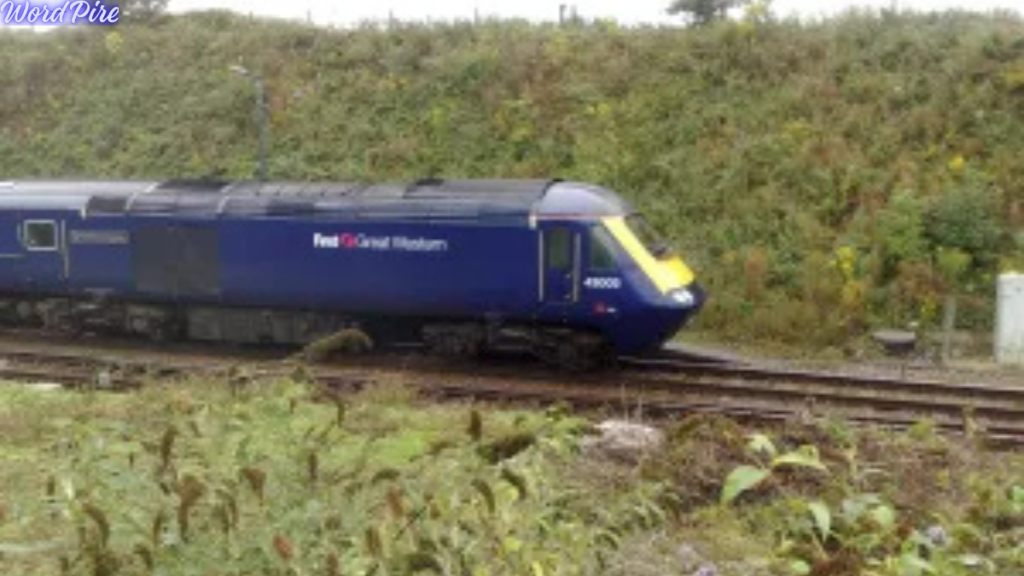
The Class 43 fleet list highlights the current operational status of each power car. Some units remain in active service with operators such as ScotRail and Avanti West Coast, while others are preserved at railway museums or heritage lines. The fleet list identifies these locations, helping enthusiasts plan visits or document historical units.
Heritage organisations use the Class 43 fleet list to coordinate restoration and display projects. Several preserved units have undergone extensive refurbishment, allowing them to operate for special events. By consulting the fleet list, enthusiasts can track which HST power cars remain operational, ensuring that the fleet’s legacy continues well into the future.
Technical Specifications and Features
Class 43 power cars feature diesel-electric engines, including Paxman Valenta, VP185, and MTU units. These engines provide high speed, reliability, and impressive power output. The fleet list includes technical details for each unit, such as engine type, fuel capacity, and top speed, making it an essential reference for enthusiasts and technical researchers alike.
The Class 43 fleet list also highlights differences between subclasses and modifications. Refurbishments, engine swaps, and other upgrades are carefully recorded, ensuring that each power car’s specifications are accurately documented. By studying the fleet list, railway historians gain insight into the engineering innovations that made the HST a pioneering high-speed train.
Cultural and Enthusiast Significance
The Class 43 fleet list represents more than just technical data; it is a symbol of British railway heritage. Enthusiasts, photographers, and model train collectors use the list to identify and celebrate iconic HST power cars. Each entry in the fleet list tells a story of speed, innovation, and cultural impact.
Special events often feature preserved Class 43 units, with the fleet list helping organisers track which power cars are available. From exhibitions to heritage train rides, the Class 43 fleet list ensures that each unit’s historical importance is recognised and preserved. It serves as a guide for both professionals and enthusiasts passionate about UK rail history.
Challenges and Future of the Fleet
Many Class 43 units face withdrawal due to age and the introduction of modern trains. The Class 43 fleet list is crucial for monitoring which units are being retired, scrapped, or preserved. Despite challenges, several HST power cars continue in service, demonstrating the enduring quality of the Class 43 design.
Preservation efforts rely heavily on the Class 43 fleet list to prioritise restoration and maintenance. Societies and museums use the list to track unit locations, plan exhibitions, and document operational history. The future of the fleet depends on careful record-keeping, making the Class 43 fleet list an indispensable resource for UK railway heritage.
Conclusion
The Class 43 fleet list remains a vital record of one of the UK’s most famous high-speed trains. From technical specifications to historical details, the fleet list captures the legacy of each power car. Enthusiasts, historians, and rail museums all rely on this comprehensive record to preserve and celebrate the remarkable InterCity 125 HST.
By studying the Class 43 fleet list, one can appreciate the impact these power cars had on British rail travel. The fleet list not only documents the operational and technical details but also ensures that the cultural significance of the HST remains recognised. This list is a testament to engineering excellence and heritage preservation.
Frequently Asked Questions
What is the Class 43 fleet list?
- The Class 43 fleet list is a detailed record of all HST power cars, including numbers, names, liveries, and operational status.
How many Class 43 units are still in service?
- Several units remain operational with companies such as ScotRail and Avanti West Coast, while others are preserved or retired.
Where can preserved Class 43 power cars be found?
- Preserved units are displayed at UK railway museums, heritage lines, and special exhibitions.
What engines power Class 43 units?
- Engines include the Paxman Valenta, VP185, and MTU, depending on the unit and subclass.
Why is the Class 43 fleet list important?
- The fleet list documents the history, technical details, and cultural impact of each HST power car, supporting enthusiasts and preservation efforts.
Also Read: John Brown and Company