The Churchill class submarine holds a prominent place in the history of the Royal Navy as a nuclear-powered fleet submarine designed during the Cold War. Introduced in the 1970s, these submarines served for over two decades, offering unmatched underwater endurance and operational capability. Their development marked a significant leap in naval technology, reflecting Britain’s commitment to maintaining maritime strength and nuclear deterrence during a tense geopolitical era.
Churchill class submarines were pivotal in shaping naval strategy, providing intelligence, surveillance, and deterrence capabilities. These vessels demonstrated the advantages of nuclear propulsion, allowing extended missions without surfacing, which was a strategic necessity during the Cold War. Beyond technical prowess, the Churchill class submarine symbolised innovation, resilience, and the Royal Navy’s ability to adapt to modern warfare challenges.
History and Development
The Churchill class submarine was conceived as an improvement on the Valiant-class design, addressing operational and technological limitations of earlier submarines. Construction began in the late 1960s, with HMS Churchill becoming the first of three submarines in the class. The Royal Navy aimed to enhance fleet operations and nuclear deterrence during a period of rising tensions between NATO and the Warsaw Pact, making these submarines a key asset in strategic planning.
HMS Courageous and HMS Conqueror followed, completing the class by the early 1970s. Each vessel incorporated lessons learned from previous classes, including improved hull design, propulsion systems, and onboard living conditions. The Churchill class submarines played a crucial role in operational testing, demonstrating the value of nuclear-powered attack submarines and influencing the design of subsequent classes such as the Swiftsure and Trafalgar submarines.
Design and Technical Specifications
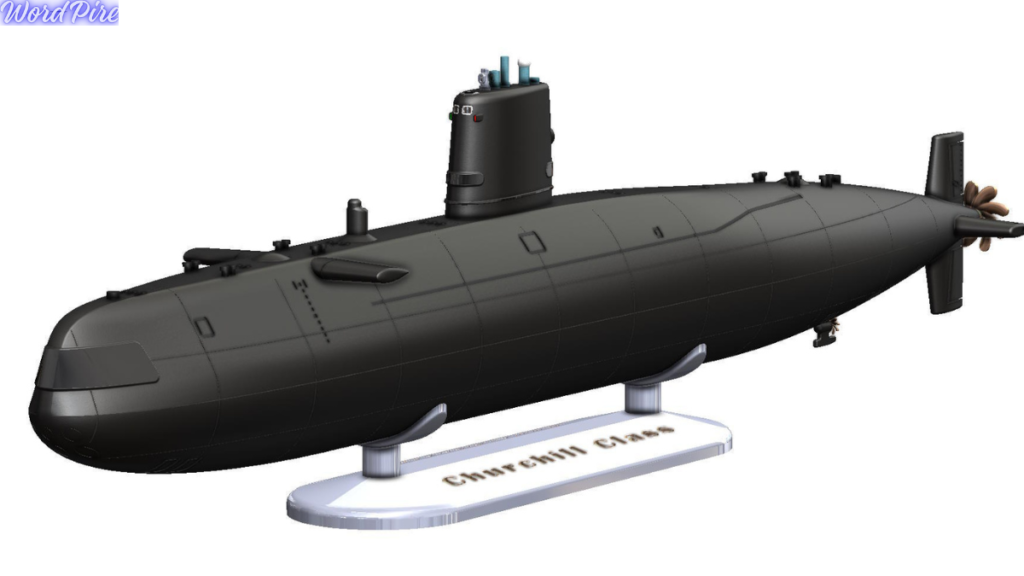
The Churchill class submarine featured a nuclear reactor that provided unprecedented underwater endurance. This propulsion system allowed missions lasting several weeks without surfacing, giving the Royal Navy significant operational flexibility. The streamlined hull design enhanced speed, manoeuvrability, and stealth capabilities, making the Churchill class submarine difficult to detect by adversaries during Cold War patrols.
In addition to propulsion, the Churchill class submarines were equipped with advanced torpedoes and, in later years, anti-ship missiles like the UGM-84 Sub Harpoon. Crew living conditions were designed for long-term deployments, including improved accommodation, mess facilities, and onboard systems for operational efficiency. The combination of endurance, stealth, and firepower made the Churchill class submarine a formidable instrument of British naval power.
Operational Service
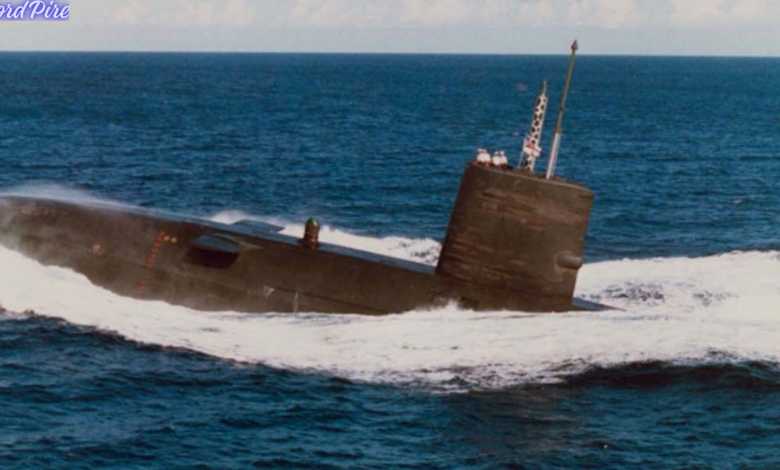
During its operational life, the Churchill class submarine undertook a variety of missions critical to the Royal Navy. These included intelligence-gathering, tracking Soviet submarines, and participating in NATO exercises. Their ability to operate quietly and remain submerged for long periods made them highly effective in maintaining a strategic advantage, especially in contested waters.
The submarines also contributed to the development of tactical doctrine for nuclear fleet operations. Regular patrols, training exercises, and weapon trials enhanced the Royal Navy’s understanding of submarine warfare. The Churchill class submarine’s operational history highlights its significance in maintaining maritime security, supporting NATO operations, and establishing the UK as a formidable underwater power.
Legacy and Impact
The Churchill class submarine left a lasting legacy in both naval engineering and military strategy. Lessons learned from their design informed the development of future submarine classes, including Swiftsure, Trafalgar, and Astute. Innovations in nuclear propulsion, hull design, and onboard systems set new standards for endurance, stealth, and combat capability in fleet submarines.
Beyond technology, the Churchill class submarine influenced strategic planning during the Cold War, demonstrating the importance of nuclear deterrence and intelligence-gathering capabilities. Its operational success and design improvements contributed to the Royal Navy’s reputation as a global maritime power. The legacy of the Churchill class submarine continues to inspire modern submarine development and naval strategy worldwide.
Comparisons with Other Classes
Compared to the Valiant-class submarines, the Churchill class offered enhanced performance, including improved hull design, greater displacement, and more advanced weapons systems. These improvements allowed longer missions, greater stealth, and better operational flexibility, giving the Royal Navy a technological edge in underwater warfare.
Later classes, such as Swiftsure and Vanguard, benefited from the operational lessons learned from the Churchill class submarine. These vessels refined propulsion systems, weapons integration, and onboard living conditions, ensuring that the Royal Navy maintained a competitive nuclear fleet. Comparisons illustrate the Churchill class submarine’s role as a bridge between early nuclear designs and modern submarine technology.
Decommissioning and Fate
By the early 1990s, the Churchill class submarines were gradually decommissioned as newer classes entered service. HMS Churchill, HMS Courageous, and HMS Conqueror were retired from active duty, marking the end of a significant era in British naval history. Despite decommissioning, their technological innovations and operational achievements continued to influence subsequent submarine designs.
The decommissioning process involved careful dismantling of nuclear systems and hull recycling, ensuring environmental and safety compliance. While no longer in service, the Churchill class submarine remains a symbol of Cold War innovation and a testament to the Royal Navy’s commitment to strategic and technological advancement in submarine warfare.
Conclusion
The Churchill class submarine represents a remarkable chapter in Royal Navy history, combining technological innovation, strategic significance, and operational excellence. From its development during the Cold War to its influential legacy in modern submarine design, it demonstrated the value of nuclear-powered fleet submarines in maintaining maritime security and deterrence.
The lessons from the Churchill class submarine continue to shape naval engineering and operational strategy. Its contribution to British naval history and influence on future submarine classes underscores the enduring importance of innovation, endurance, and stealth in submarine operations. These submarines remain a benchmark for excellence in underwater warfare.
Frequently Asked Questions
What is a Churchill class submarine?
A Royal Navy nuclear-powered fleet submarine from the 1970s–1990s.
How many Churchill class submarines were built?
Three submarines were built
.
What weapons did Churchill class submarines carry?
Torpedoes and anti-ship missiles
.
When were Churchill class submarines decommissioned?
In the early 1990s.
Why were Churchill class submarines important to the Royal Navy?
They provided nuclear deterrence and advanced underwater capability.
How did the Churchill class submarine differ from Valiant-class submarines?
It had improved design, larger size, and better systems.
Also Read: DFB Pokal Winners