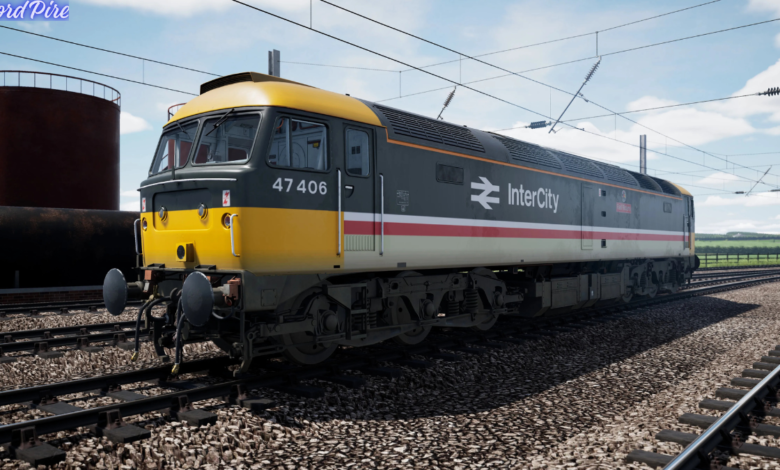
The Class 47 Intercity locomotive is a defining symbol of British railway history, representing the golden era of diesel-electric traction. Introduced in the early 1960s, these locomotives were built to replace ageing steam engines while providing reliable and efficient service on long-distance intercity routes. Their design and performance quickly made them a backbone of British Rail operations.
Class 47 Intercity locomotives not only revolutionised passenger services but also carried freight across the country. Their versatility and durability allowed them to operate on a variety of routes, from bustling city connections to quieter rural lines. Today, they are celebrated by railway enthusiasts for their engineering excellence and historic significance.
History of Class 47 Intercity
The Class 47 Intercity series was developed by Brush Traction at the Falcon Works in Loughborough, with production spanning from 1962 to 1968. A total of 512 units were built, making them one of the largest diesel classes in the UK. They were initially designed to replace steam locomotives and modernise intercity services during a period of rapid railway transformation.
During their early years, Class 47 Intercity locomotives were deployed on a wide range of routes, from London to Scotland and Northern England. Their high reliability and adaptability made them indispensable for British Rail, particularly on express passenger services. Over the decades, they became synonymous with long-distance travel and were admired for their robust engineering.
Technical Specifications and Design
Class 47 Intercity locomotives feature a diesel-electric configuration, powered by a 12-cylinder Sulzer engine producing 2,580 horsepower. This allowed them to achieve speeds of up to 95 mph, making them ideal for express intercity journeys. Their engineering balanced power, efficiency, and operational reliability, ensuring they remained in service for several decades.
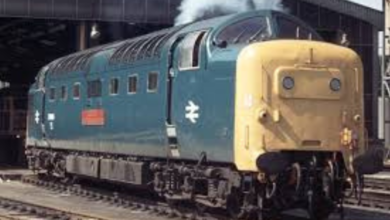
The design of Class 47 Intercity locomotives also incorporated multiple liveries over the years, including the iconic Intercity swallow motif. They featured advanced suspension systems and efficient braking technology, providing smoother rides for passengers. The combination of performance, versatility, and aesthetics made them one of the most recognisable locomotives in the UK rail network.
Routes and Services
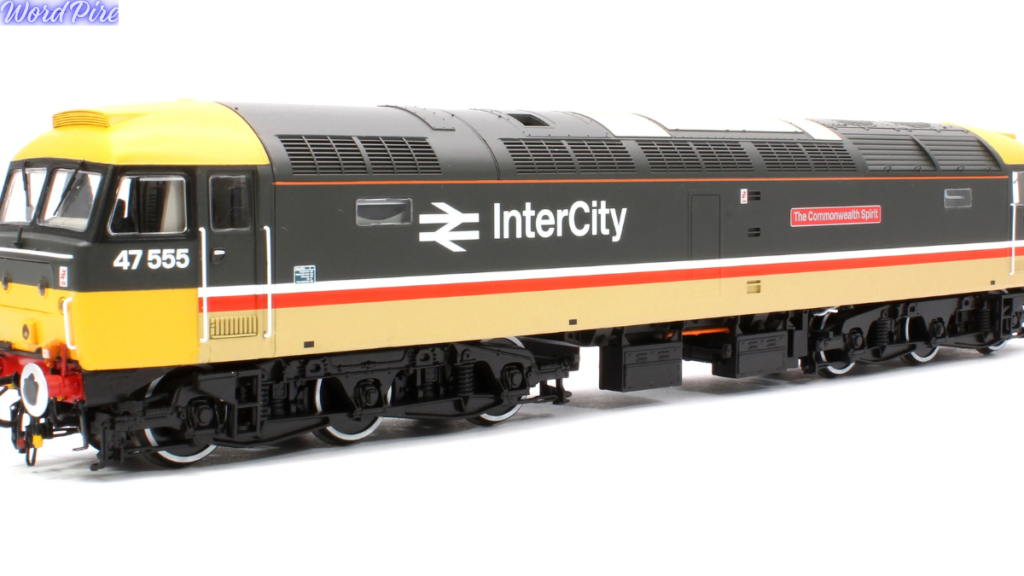
Class 47 Intercity locomotives served most of Britain’s key intercity routes, linking major cities such as London, Manchester, Glasgow, Edinburgh, and Bristol. Their high-speed capabilities and endurance made them a popular choice for express passenger services, while their adaptability allowed them to be used on secondary routes when needed.
In addition to passenger services, Class 47 Intercity locomotives occasionally hauled freight, demonstrating their versatility. They were also compared favourably to other locomotive classes, offering a balance of power and reliability that ensured consistent schedules. Over time, these locomotives became a fixture of the British railway landscape, representing both efficiency and dependability.
Preservation and Legacy
Although most Class 47 Intercity locomotives have been retired from regular service, many examples have been preserved on heritage railways across the UK. These preserved locomotives allow enthusiasts and the public to experience historic rail travel firsthand, keeping the legacy of the Class 47 Intercity alive for future generations.
The influence of Class 47 Intercity extends beyond preservation. They inspired subsequent diesel locomotive designs and remain popular among model railway collectors. Their distinctive engineering, historical significance, and cultural impact ensure that they continue to be celebrated as a key part of Britain’s railway heritage.
Challenges and Notable Incidents
Despite their many strengths, Class 47 Intercity locomotives were not without challenges. Mechanical issues, such as engine wear and electrical faults, occasionally required intensive maintenance to keep them operational. Rail operators worked diligently to address these challenges, ensuring safe and efficient service on demanding intercity routes.
Notable incidents involving Class 47 Intercity locomotives have highlighted their durability and resilience. Although accidents were rare, any occurrences led to improved safety standards and regulations across the UK rail network. These lessons helped reinforce the operational reliability of the Class 47 Intercity fleet over several decades of service.
Technological Innovations and Modifications
Over their operational lifetime, many Class 47 Intercity locomotives underwent upgrades and modifications to improve performance and extend service life. Some were fitted with modern braking systems, while others received electrical enhancements to meet evolving railway standards.
These improvements not only enhanced operational efficiency but also allowed the locomotives to adapt to changing demands of passenger and freight transport. The Class 47 Intercity demonstrates how incremental technological updates can prolong the usefulness of a locomotive, ensuring it remains relevant despite decades of service.
Conclusion
The Class 47 Intercity remains an enduring icon of Britain’s railway history. Its powerful diesel-electric engine, versatile performance, and extensive service on major intercity routes cemented its place in rail heritage. Preservation efforts and continued public interest ensure that the legacy of the Class 47 Intercity continues to inspire railway enthusiasts and historians alike.
Frequently Asked Questions
- What is a Class 47 Intercity locomotive?
Class 47 Intercity is a diesel-electric locomotive used on long-distance passenger and freight services in the UK. - When were Class 47 Intercity trains built?
They were produced between 1962 and 1968 by Brush Traction. - How fast can a Class 47 Intercity train go?
They can reach speeds of up to 95 mph, making them suitable for express services. - Are Class 47 Intercity trains still in service?
Most have been retired, but several are preserved on heritage railways across the UK. - Where can I see preserved Class 47 Intercity locomotives?
Heritage railways such as the Severn Valley Railway and the East Lancashire Railway display them. - What routes did Class 47 Intercity trains operate on?
They operated on major intercity routes, including London to Edinburgh, Glasgow, and Manchester. - How many Class 47 Intercity locomotives were produced?
A total of 512 units were built, making it one of the largest diesel locomotive
Also Read: Churchill Class Submarine