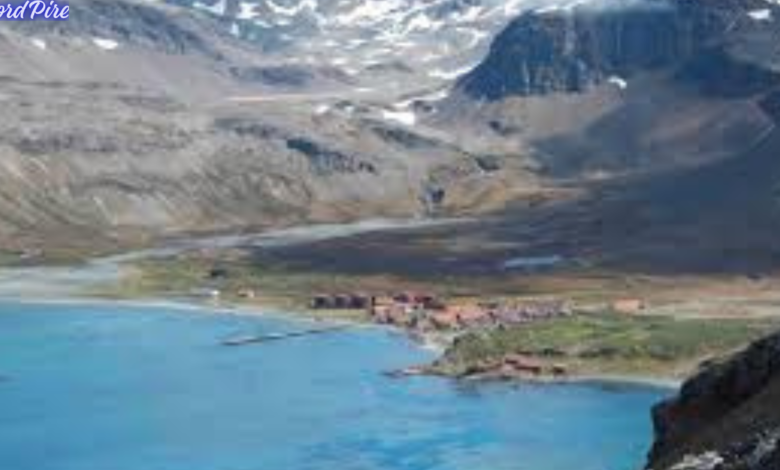
Husvik South Georgia is a remote and captivating location on South Georgia Island, renowned for its abandoned whaling station and dramatic natural scenery. Once a bustling centre of whaling activity, it now stands as a remarkable historical site surrounded by unspoiled wilderness. Visitors are drawn to Husvik South Georgia to experience a unique combination of history, wildlife, and breathtaking landscapes in one of the most isolated corners of the world.
Exploring Husvik South Georgia offers insight into life on the island during the whaling era. The ruins tell stories of human endeavour and the challenges faced by those who worked in extreme conditions. Today, the station attracts historians, photographers, and adventurers alike. Its combination of historical significance and rich natural beauty makes Husvik South Georgia a destination unlike any other.
Husvik South Georgia: History of the Whaling Station
Husvik South Georgia was originally established as a floating whaling factory in 1907 before becoming a permanent land-based station. It was one of three key stations in Stromness Bay, alongside Stromness and Leith Harbour, and played a significant role in the island’s whaling industry. For decades, Husvik South Georgia was a hub of activity, processing whales for oil and other products, and contributing to both the local economy and international trade.
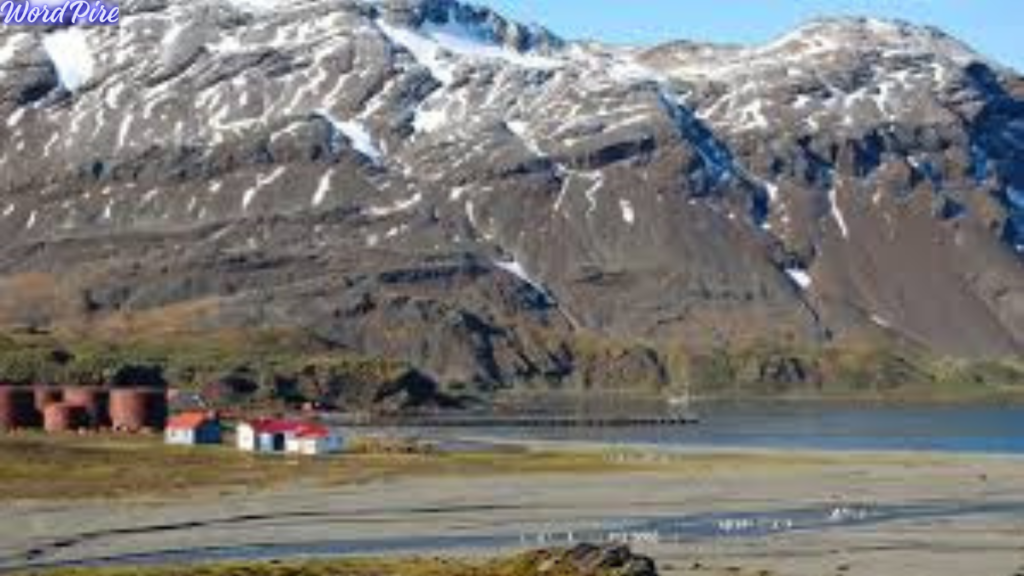
The station was eventually closed in 1960 due to declining whale populations and global shifts in whaling practices. Despite its abandonment, Husvik South Georgia retains much of its original infrastructure, including machinery, docks, and buildings. These remnants provide a fascinating glimpse into the lives of whalers and the operations of a remote industrial station in one of the harshest climates on Earth.
Exploring Husvik South Georgia Today
Today, Husvik South Georgia offers visitors the opportunity to explore a largely untouched historical site. The ruins are remarkably preserved, having avoided extensive vandalism or redevelopment, which allows for an authentic glimpse into the past. Access is usually via specialised expedition cruises, as the station is located in a remote and challenging environment. Visitors can walk through the remnants of the station, photograph the rusting machinery, and enjoy sweeping views of Stromness Bay.
Visiting Husvik South Georgia requires careful planning and respect for its delicate ecosystem. Trails around the station provide safe exploration routes while allowing visitors to experience the dramatic coastline and surrounding landscapes. Each step through the ruins provides a tangible connection to history, making Husvik South Georgia not only an adventure destination but also an immersive educational experience for those interested in Antarctic heritage.
Wildlife and Natural Beauty
Husvik South Georgia is renowned for its thriving wildlife. Penguins waddle across the beaches, seals bask on rocky shores, and seabirds soar overhead. The island’s isolation allows native species to flourish, making it one of the best locations in the South Atlantic for observing wildlife in their natural habitat. Wildlife enthusiasts and photographers are often captivated by the unique interactions between species in this untouched environment.
The surrounding landscape of Husvik South Georgia is equally impressive. Towering cliffs, icy waters, and expansive valleys create a dramatic setting for exploration. Seasonal variations transform the island’s scenery, with summer offering bright skies and bustling wildlife, while winter brings icy vistas and a quiet, pristine environment. Conservation initiatives ensure that Husvik South Georgia remains protected for future generations to enjoy.
Activities and Experiences at Husvik South Georgia
Husvik South Georgia offers a variety of activities for visitors. Guided expedition cruises provide safe access to the station and surrounding areas, offering historical insights and practical guidance. Hiking trails allow visitors to explore the rugged terrain and discover hidden viewpoints of Stromness Bay. These experiences provide a unique combination of adventure and education for tourists seeking more than a conventional holiday.
Wildlife observation is a highlight of any visit to Husvik South Georgia. Tourists can watch penguins interact, seals navigate the coastline, and seabirds nest in their natural habitats. Photography and nature journaling are popular activities, as the island provides countless opportunities to capture rare and stunning moments. Kayaking and small boat excursions further enhance the experience, offering close encounters with the coastline and surrounding waters.
Cultural and Historical Significance
Husvik South Georgia holds an important place in Antarctic exploration and whaling history. The station illustrates the harsh conditions faced by whalers, whose work involved long periods of isolation and exposure to extreme weather. The ruins provide insight into a bygone era, preserving cultural and industrial heritage for modern visitors. Husvik South Georgia also complements historical knowledge of nearby stations, creating a fuller picture of human activity on the island.
The cultural significance of Husvik South Georgia extends into scientific research today. Ecologists and conservationists study the island’s wildlife and ecosystems, using historical data from the whaling era to understand environmental changes over time. Husvik South Georgia represents both a historical landmark and a living laboratory, bridging human history with ongoing environmental study and conservation efforts.
Visiting Husvik South Georgia: Practical Tips
Access to Husvik South Georgia is primarily by expedition vessel, as the station is remote and challenging to reach independently. Visitors should plan their trip in advance and ensure they have proper clothing and equipment for Antarctic conditions. Respecting the environment is essential, as the site’s fragile ecosystem and historical ruins must remain preserved for future generations.
The best time to visit Husvik South Georgia is during the Southern Hemisphere summer, from November to March. During this period, the weather is milder, wildlife is most active, and access is safer. Guided tours provide an educational component, offering detailed insights into the history of the station and its surrounding landscapes. Travellers are encouraged to follow local regulations and conservation guidelines while exploring the area.
Conclusion
Husvik South Georgia is a remarkable destination where history, nature, and adventure converge. From the abandoned whaling station to thriving wildlife and dramatic landscapes, the island offers an unforgettable experience for explorers, historians, and photographers. Preserving Husvik South Georgia ensures that future generations can continue to witness the unique combination of cultural heritage and natural beauty it offers.
Frequently Asked Questions
Where is Husvik South Georgia located?
Husvik South Georgia is situated on the north-central coast of South Georgia Island in Stromness Bay, South Atlantic.
Can visitors explore Husvik South Georgia?
Yes, visitors can explore the abandoned whaling station with guided expeditions, ensuring safe access and informative experiences.
What wildlife can be seen at Husvik South Georgia?
Penguins, seals, seabirds, and other native species thrive around Husvik, making it a prime location for wildlife observation.
How do I get to Husvik South Georgia?
Access is usually by expedition ship, as the area is remote and not reachable by conventional transport.
Why was Husvik South Georgia abandoned?
The station closed in 1960 due to declining whale populations and changing whaling industry practices.
When is the best time to visit Husvik South Georgia?
The Southern Hemisphere summer (November to March) offers milder weather, active wildlife, and safer travel conditions.
Are there guided tours available at Husvik South Georgia?
Yes, expedition cruises provide guided tours, offering historical insights and safe exploration opportunities.
Also Read: christchurch port hills fire