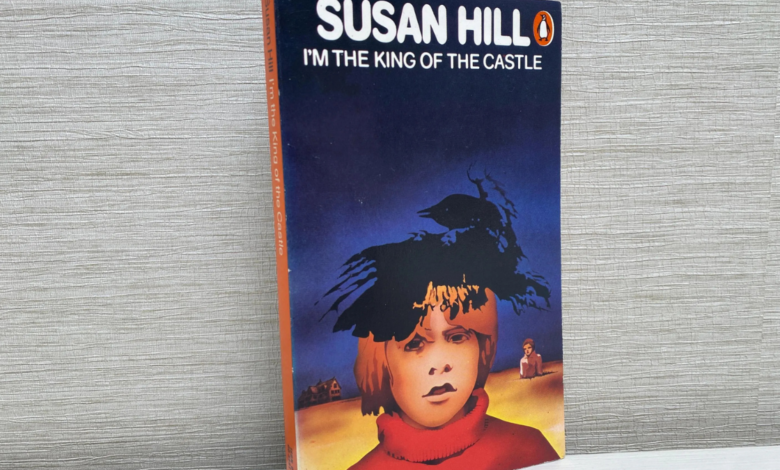
Susan Hill King of the Castle is a profoundly gripping novel that explores the complexities of childhood, power, and human behaviour. Published in 1970, it has become a classic in British literature and Gothic fiction. The novel delves into the dark side of human interaction, focusing on psychological tension and the consequences of cruelty. Its vivid portrayal of childhood suffering resonates with both students and literary enthusiasts.
The story’s appeal lies in Susan Hill King of the Castle’s ability to combine suspense, moral ambiguity, and emotional depth. Through the experiences of its young protagonist, the novel examines themes of isolation, manipulation, and fear. Susan Hill’s narrative style ensures that readers are drawn into the oppressive atmosphere of Warings House, making the novel both haunting and unforgettable.
Plot Summary of Susan Hill King of the Castle
Susan Hill King of the Castle follows the life of Charles Kingshaw, a sensitive eleven-year-old boy who moves with his mother, Helena, to Warings House. From the beginning, the house and its surrounding landscape create an unsettling and claustrophobic environment. Charles quickly encounters Edmund Hooper, a cruel and cunning boy whose actions dominate much of the story. The novel carefully portrays the psychological impact of bullying and fear.
As the plot develops, Charles experiences growing isolation and emotional distress. The tension between Charles and Edmund escalates, highlighting the imbalance of power and control. Susan Hill King of the Castle captures the intense emotional landscape of childhood and the dangers of unchecked cruelty. The story ultimately builds to a tense, tragic conclusion that reinforces the novel’s themes of vulnerability and oppression.
Main Characters and Their Development
Charles Kingshaw is the central figure in Susan Hill King of the Castle, whose vulnerability and sensitivity make him a compelling protagonist. His experiences of bullying and isolation shape his character, offering readers insight into the psychological consequences of fear and oppression. Charles’s journey illustrates both resilience and the profound effects of emotional trauma on young minds.
Edmund Hooper, the antagonist, represents cruelty and manipulation. His actions contrast sharply with Charles’s innocence and highlight the darker aspects of childhood. Helena Kingshaw, Charles’s mother, plays a pivotal role in his life, though her decisions sometimes inadvertently exacerbate his challenges. Minor characters also contribute to the story’s tension, emphasizing social hierarchies and human interaction. Susan Hill King of the Castle excels in developing characters with psychological depth and moral complexity.
Themes and Motifs

One of the central themes of Susan Hill King of the Castle is childhood cruelty. The novel examines how children can inflict profound emotional harm on one another, revealing the darker aspects of human nature. Power and domination are also recurring themes, explored through the interactions between Charles and Edmund. These elements make the novel a study of fear, control, and social hierarchy.
Isolation is another significant motif in Susan Hill King of the Castle. The oppressive atmosphere of Warings House and its surroundings symbolises emotional and psychological confinement. Gothic elements such as dark settings, suspenseful tension, and eerie imagery enhance the story’s mood. Susan Hill’s use of symbolism, particularly in the house and natural surroundings, reinforces themes of vulnerability, control, and human suffering.
Literary Style and Techniques
Susan Hill King of the Castle is written in a third-person limited perspective, allowing readers to closely follow Charles’s thoughts and experiences. This narrative choice intensifies the novel’s psychological tension and emotional impact. The tone is dark and foreboding, reinforcing the Gothic atmosphere and the sense of entrapment experienced by the protagonist.
Hill’s literary techniques include vivid imagery, foreshadowing, and careful pacing, which build suspense throughout the novel. The language and symbolism underscore themes of fear, cruelty, and power. Compared to her other works, Susan Hill King of the Castle stands out for its moral ambiguity and exploration of psychological complexity, making it an enduring piece of literary fiction.
Reception and Adaptations
Upon publication, Susan Hill King of the Castle received critical acclaim and won the Somerset Maugham Award in 1971. Literary critics praised its exploration of childhood cruelty, psychological tension, and moral complexity. The novel has since become a staple in British literature, studied in schools and appreciated by readers for its Gothic elements and psychological depth.
The novel was adapted into a French film in 1989, titled Je suis le seigneur du château. This adaptation helped introduce Susan Hill King of the Castle to an international audience. Over the decades, the novel’s themes of fear, power, and isolation have continued to resonate, influencing contemporary literature and maintaining its status as a compelling study of human behaviour.
Conclusion
Susan Hill King of the Castle is a powerful and thought-provoking novel that continues to captivate readers with its exploration of childhood cruelty, power dynamics, and isolation. Its Gothic tone, combined with careful characterisation and psychological depth, ensures that the story remains relevant and engaging decades after its initial publication.
For anyone seeking to understand the complexities of human behaviour, especially in childhood, Susan Hill King of the Castle is essential reading. The novel’s enduring themes and emotionally charged narrative highlight the consequences of fear, manipulation, and cruelty, making it a lasting contribution to British literature.
Frequently Asked Questions
What is Susan Hill King of the Castle about?
Susan Hill King of the Castle follows Charles Kingshaw as he navigates bullying and isolation at Warings House, exploring the darker aspects of childhood and human interaction.
Who are the main characters in Susan Hill King of the Castle?
The main characters include Charles Kingshaw, Edmund Hooper, and Helena Kingshaw, each contributing to the story’s emotional and psychological depth.
What are the main themes of Susan Hill King of the Castle?
Key themes include childhood cruelty, power, isolation, loneliness, and Gothic elements, all of which shape the novel’s tense and suspenseful atmosphere.
Has Susan Hill King of the Castle been adapted into a film?
Yes, the novel was adapted into a French film in 1989 titled Je suis le seigneur du château, expanding its reach internationally.
Why is Susan Hill King of the Castle considered a Gothic novel?
Its dark tone, suspenseful atmosphere, claustrophobic setting, and focus on psychological intensity classify it as a Gothic work of fiction.
Also Read: Group A 2014 World Cup