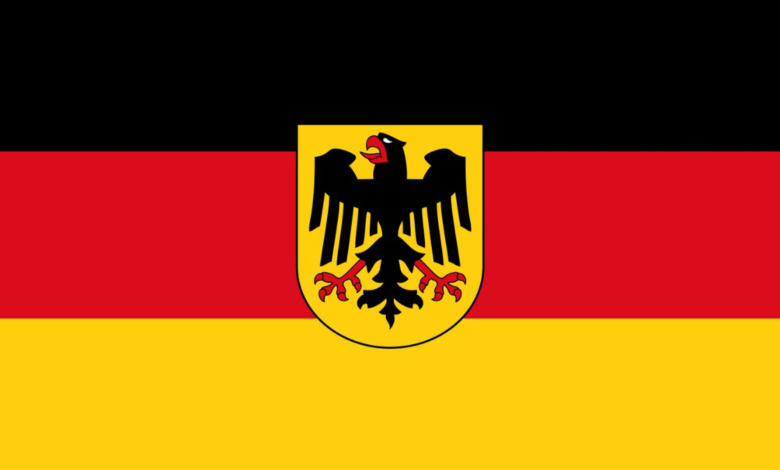
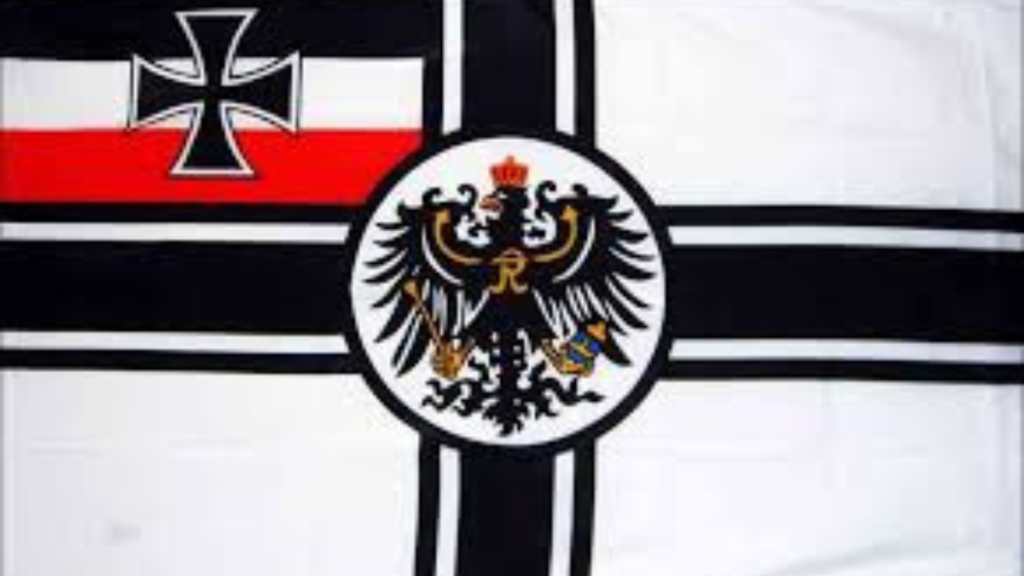
The Germany WW1 flag is a powerful symbol of the German Empire during a transformative period in history. Known officially as the Reichskriegsflagge or Imperial War Flag, it was used extensively during World War I by the military and represented both national pride and military might. Its black, white, and red colours conveyed a sense of unity, tradition, and strength for a nation navigating its place on the world stage.
Understanding the Germany WW1 flag goes beyond recognising its colours. The flag encapsulated the identity of a young empire, combining elements from Prussian heritage and Hanseatic traditions. It became a visual emblem that was instantly recognisable on the battlefield and in official military contexts. Today, historians and collectors study it to explore Germany’s imperial and military history.
Origins of the Germany WW1 Flag
The origins of the Germany WW1 flag trace back to the unification of the German states in 1871. Under Prussian leadership, the new German Empire required a flag that symbolised its national identity. The black, white, and red tricolour was selected to reflect historical traditions and create a distinct emblem for the nation. It served as a unifying symbol for a collection of diverse states with unique cultural identities.
The colours of the Germany WW1 flag were carefully chosen. Black represented Prussian military tradition, white symbolised purity and unity, and red acknowledged the Hanseatic cities that had played a pivotal role in trade and culture. These three colours together became a recognizable emblem of the German Empire, setting the stage for its military and political symbolism during World War I.
The Reichskriegsflagge and Military Use
The Germany WW1 flag, in its military form called the Reichskriegsflagge, was central to German armed forces. Featuring the Imperial eagle and the iron cross, the flag distinguished itself from the standard national flag. It was widely displayed by soldiers on battlefields, in naval contexts, and at military installations, serving as a symbol of courage, authority, and imperial pride during the global conflict.
Several variations of the Germany WW1 flag existed for different branches of the military. Naval and army flags included subtle design modifications, but all maintained the core black, white, and red tricolour. This consistency helped create a sense of cohesion and identity across the German military while reinforcing the empire’s authority both at home and abroad.
Symbolism and Cultural Significance
The symbolism of the Germany WW1 flag extended beyond military use. It represented the ambitions of the German Empire, the pride of its citizens, and the unity of its states under one banner. The black, white, and red colours reflected a deep connection to German history, merging both political and cultural elements that resonated across the nation during a period of intense global conflict.
Internationally, the Germany WW1 flag was recognised as a representation of German power. Allied nations often depicted it in propaganda, associating it with German aggression. Within Germany, the flag inspired patriotism and national loyalty, making it more than a military emblem. Its strong visual identity ensured its lasting presence in historical study, media, and cultural memory.
Decline and Legacy
After Germany’s defeat in World War I, the Germany WW1 flag was replaced by the black, red, and gold tricolour of the Weimar Republic. Despite this, the Imperial War Flag remained a potent historical symbol, appearing in museums, historical reenactments, and collections worldwide. It continues to fascinate historians, military enthusiasts, and collectors seeking to understand its significance in German history.
The modern legacy of the Germany WW1 flag is complex. While it represents an important part of military history, its display has occasionally caused controversy due to its association with nationalism and militarism. Nonetheless, its educational and historical value is widely acknowledged, providing insight into German identity, imperial ambitions, and military culture during the early 20th century.
Collecting and Displaying the Germany WW1 Flag
Collectors of historical memorabilia often seek authentic Germany WW1 flags. Genuine examples can be found in military museums, private collections, and auction houses. Collectors must carefully verify authenticity, as reproductions are common. Understanding the flag’s design, materials, and historical context is essential for anyone interested in preserving this iconic symbol of German history.
Legal considerations also play a role in displaying the Germany WW1 flag. While it is generally legal for historical, educational, or museum purposes, misuse or association with extremist ideologies can lead to restrictions in some countries. Responsible display ensures that the flag remains a tool for learning rather than a source of controversy.
Conclusion
The Germany WW1 flag serves as a window into a pivotal era of German history. From its origins in the unification of the German Empire to its extensive use during World War I, it symbolised national pride, military strength, and cultural identity. Today, it remains a subject of study, reflection, and historical preservation, reminding us of the complex legacy of Germany’s imperial past.
Frequently Asked Questions
What did the Germany WW1 flag look like?
The Germany WW1 flag featured a black, white, and red tricolour with the Imperial eagle and iron cross, especially in its military version called the Reichskriegsflagge.
What is the difference between the national flag and the Reichskriegsflagge?
The national flag was simpler, while the Reichskriegsflagge included additional military symbols for army and naval use, reflecting the German Empire’s authority.
Why were black, white, and red chosen for the Germany WW1 flag?
These colours symbolised Prussian military tradition, unity, and Hanseatic influence, combining historical and cultural elements of the German Empire.
Is it legal to display the Germany WW1 flag today?
Display laws vary, but it is generally legal for educational, historical, and museum purposes. Misuse can result in restrictions.
Where can I see an authentic Germany WW1 flag?
Authentic flags are preserved in museums, historical archives, and private collections across Europe and North America.
Also Read: Susan Hill King of the Castle