Barker Barracks Paderborn is one of the most recognisable former British military sites in Germany, closely linked to decades of post-war defence history. Situated in the city of Paderborn, the barracks played a central role in housing British Army personnel during a period when the United Kingdom maintained a significant military presence on the European mainland. Its name still resonates strongly with veterans, historians, and local residents alike.
Over time, Barker Barracks Paderborn became more than just a military installation. It developed into a living community shaped by daily routines, shared experiences, and cross-cultural interaction. The story of the barracks reflects broader changes in European security, British defence policy, and the evolving relationship between the UK and Germany throughout the twentieth century and beyond.
Location and Address of Barker Barracks Paderborn
Barker Barracks Paderborn was located in the eastern part of the city, an area chosen for its strategic suitability and accessibility. The site sat close to major transport links, allowing efficient movement of personnel and equipment. Its proximity to other military facilities, including the well-known Sennelager Training Area, made it an ideal base for large-scale exercises and operational readiness.
The official address placed the barracks along Driburger Straße, a key road that gradually became associated with the British military presence. As the base expanded, nearby neighbourhoods adapted to accommodate soldiers and their families. Shops, housing, and services developed around the area, embedding the barracks firmly into the urban fabric of Paderborn.
Early History and Construction of the Barracks
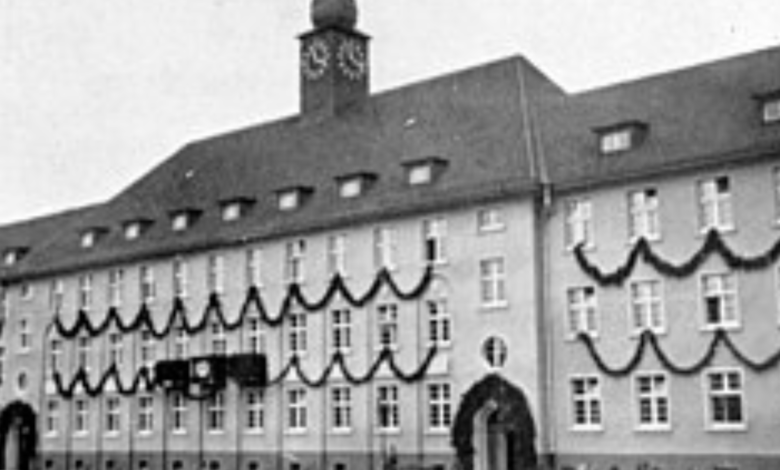
The origins of the barracks date back to the 1930s, when the complex was constructed as part of Germany’s military infrastructure. Designed with efficiency and durability in mind, the buildings followed a practical layout intended to house large numbers of troops. Parade grounds, accommodation blocks, and administrative buildings were arranged to support disciplined military life.
Following the Second World War, the site passed into Allied hands and underwent a significant transformation. What had once served German military purposes was repurposed to support peacekeeping and defence operations under British control. This shift marked the beginning of a new chapter that would define the identity of Barker Barracks Paderborn for generations.
Barker Barracks Paderborn as a British Army Base
Under British administration, the barracks became part of the British Army of the Rhine, a key force established to defend Western Europe during the Cold War. Barker Barracks Paderborn supported Britain’s long-term commitment to NATO and played a role in maintaining stability during a period of global tension. Its presence symbolised both deterrence and cooperation.
Life on the base followed a structured yet vibrant rhythm. Military training and operational duties were balanced with everyday family life, education, and recreation. British personnel stationed at Barker Barracks Paderborn often spent several years there, creating strong bonds within the base and with the surrounding German community.
Military Units and Operational Life
A wide range of British Army units were stationed at the barracks over the years, including armoured regiments, infantry units, and logistical support teams. These units rotated regularly, ensuring that the base remained active and adaptable to changing military needs. Training exercises were a constant feature, both on-site and in nearby training areas.
Daily life at the barracks was carefully organised to support operational efficiency. Facilities included accommodation, workshops, offices, and medical services, allowing the base to function as a self-contained environment. Barker Barracks Paderborn operated much like a small town, designed to meet both professional and personal needs of its occupants.
Community Life and Cultural Connections
Beyond its military function, the barracks played an important role in fostering cultural exchange between British forces and local residents. British schools, social clubs, and sports facilities were established to support families, while local businesses benefited from the steady presence of service personnel. These interactions helped normalise everyday contact between two cultures.
Community events, open days, and joint commemorations strengthened mutual understanding and respect. For many residents of Paderborn, the British presence became a familiar and welcome part of city life. Barker Barracks Paderborn thus contributed not only to defence but also to long-lasting social and cultural connections.
Closure of Barker Barracks Paderborn
The decision to close the barracks was part of a wider restructuring of British defence policy and a reduction of overseas military bases. Changing geopolitical conditions and modern military strategies reduced the need for large permanent installations in Germany. The withdrawal was gradual, allowing time for transition and adjustment.
For those who had lived and served there, the closure was deeply symbolic. Barker Barracks Paderborn had been a constant feature of British military life for decades. Its closure marked the end of an era, prompting reflection on shared experiences and the significant role the base had played in European defence history.
Barker Barracks Paderborn Today
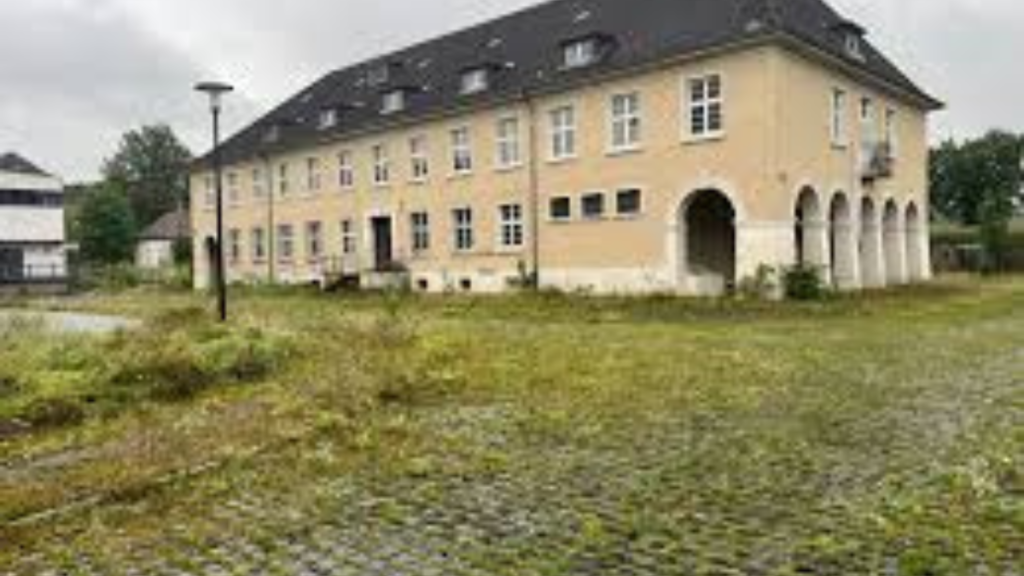
In the years since the British departure, the former barracks site has undergone redevelopment to meet civilian needs. Many original buildings have been repurposed for housing, commercial use, or public services, blending historical architecture with modern functionality. This transformation reflects the city’s growth and changing priorities.
Despite redevelopment, the legacy of Barker Barracks Paderborn remains strong. Former residents, veterans, and historians continue to share memories and research its past. The site stands as a reminder of a period when international cooperation and military presence shaped both local identity and broader European relations.
Conclusion
Barker Barracks Paderborn occupies a significant place in the shared history of Britain and Germany. From its early construction to its long service as a British Army base and eventual closure, the barracks mirrored changing defence strategies and international relationships. Its influence extended beyond military operations into community life and cultural exchange.
Today, the story of Barker Barracks Paderborn continues to attract interest and respect. Its legacy lives on through transformed buildings, personal memories, and historical study. The barracks remains a powerful symbol of cooperation, commitment, and the lasting impact of military presence on a city and its people.
Frequently Asked Questions
Where was Barker Barracks Paderborn located?
In the eastern part of Paderborn, Germany, near Driburger Straße.
What was the official address of the barracks?
Driburger Straße, Paderborn, Germany.
Which British Army units were stationed there?
Various armoured, infantry, and support regiments over the years.
Why did Barker Barracks Paderborn close?
Due to the reduction of British forces and defence restructuring.
What is the former site used for today?
Redeveloped for civilian housing, businesses, and public services.
Why is Barker Barracks Paderborn historically important?
It was a key British Army base in Germany and part of NATO defence history.
Also Read: German Army Uniforms WWII