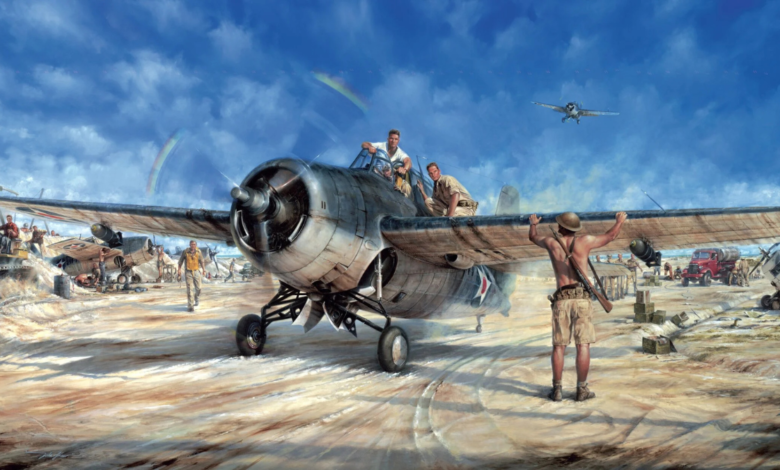
The battle for Wake Island was one of the first major confrontations in the Pacific theatre during World War II. This remote atoll, situated strategically between Hawaii and Guam, became the focus of intense military action in December 1941. Despite its small size and limited defences, Wake Island’s garrison of US Marines and civilian workers showcased remarkable courage, turning the battle for Wake Island into a symbol of resilience and determination during the opening days of the conflict.
The events on Wake Island had significant implications for the early stages of the Pacific War. The defenders faced overwhelming odds, battling Japanese forces who outnumbered and outgunned them. Yet their tenacity and tactical skill temporarily held back the invaders, providing a morale boost to the United States. The story of the battle for Wake Island remains a powerful example of heroism against adversity.
Background – Wake Island Before the Battle
Before the battle for Wake Island, the island served as a quiet, isolated outpost with a modest US military presence. Comprising three small coral atolls, the island’s geography offered natural defensive advantages, surrounded by treacherous reefs and shallow waters. The US had stationed a small garrison of Marines and established rudimentary fortifications to defend the airstrip and strategic positions, though resources and manpower were limited.
Despite its isolation, Wake Island held immense strategic significance. It was a midpoint for aircraft traversing the Pacific, making it essential for communication and supply lines. Intelligence reports had suggested Japanese interest in the island months before the attack, highlighting its vulnerability. These factors made the battle for Wake Island a crucial early test of US military readiness in the Pacific.
The Outbreak of War – Japan Attacks
On 8 December 1941, the defenders of Wake Island received urgent news about the attack on Pearl Harbor. Japanese forces quickly launched air raids against the atoll, targeting the limited fortifications and airfields. Despite being caught by surprise, the US Marines and civilian defenders responded with determination, shooting down several enemy planes during the initial attacks.
The battle for Wake Island intensified rapidly as Japanese forces attempted amphibious landings. The defenders utilised coastal artillery, machine guns, and innovative defensive tactics to repel the first waves. These early successes demonstrated the strategic acumen and courage of the Marines and gave a morale boost to the personnel on the island. For a short period, the defenders turned the tide against a far larger enemy force.
The Defenders – US Marines and Civilians
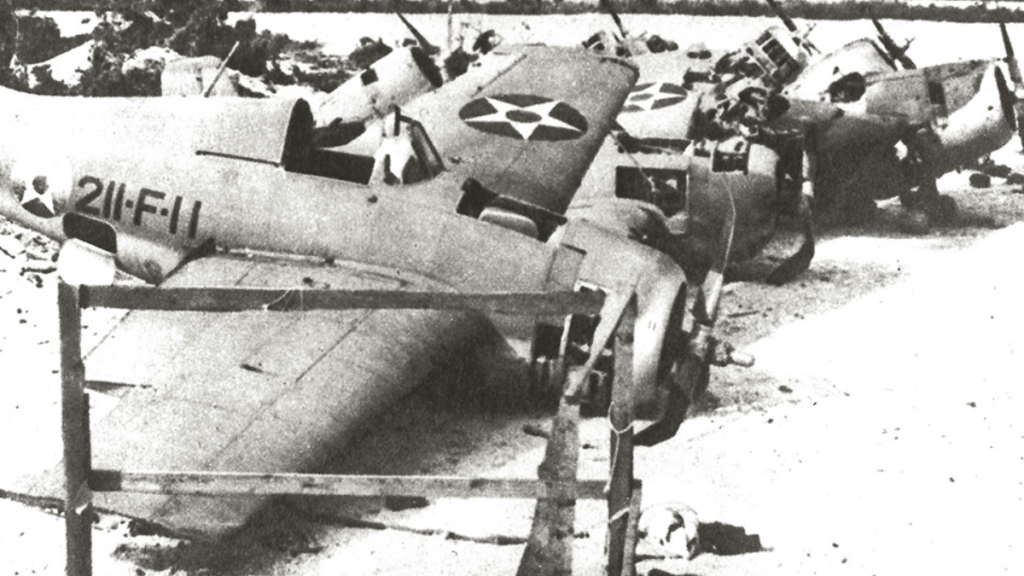
Commander Winfield Cunningham led the US Marines stationed on Wake Island, coordinating the defence with precision and resourcefulness. The garrison was small but highly disciplined, making the most of available artillery, machine guns, and limited supplies. Their preparedness and tactical decisions were pivotal in holding back Japanese advances during the initial attacks.
Civilians also played a critical role in the battle for Wake Island. Contractors and island workers assisted with fortifications, ammunition supply, and medical care, becoming integral to the defensive effort. The collaboration between military personnel and civilians highlighted the collective determination to defend the island against overwhelming odds, making the battle for Wake Island a remarkable story of unity and resilience.
The Battle Unfolds – Key Engagements
During the initial stages of the battle for Wake Island, the defenders successfully repelled the first Japanese landing attempt. Artillery and coastal guns inflicted significant damage on enemy vessels and aircraft, delaying the invasion and showcasing the effectiveness of coordinated defensive strategies. These early victories became legendary, boosting morale and demonstrating the skill of the island’s defenders.
Subsequent skirmishes were intense, involving continuous aerial bombardment and naval attacks. The battle for Wake Island tested the endurance and tactical ingenuity of the US Marines. They employed ambushes, strategic positioning, and concentrated fire to maximise the impact of their limited resources. Each engagement underscored the determination of the defenders to hold their ground against a much stronger enemy.
Japanese Counterattack and Fall of Wake Island
Despite the defenders’ valiant efforts, Japanese forces returned with reinforcements, including additional troops, aircraft, and naval vessels. The final assaults overwhelmed the garrison, resulting in the capture of Wake Island on 23 December 1941. Japanese forces suffered heavy casualties during the operation, reflecting the fierce resistance mounted by the defenders.
The fall of Wake Island was a tactical victory for Japan, yet the battle for Wake Island became a symbol of heroism and resilience. The defenders’ tenacity delayed Japanese operations and inspired American forces across the Pacific. The courage exhibited by the Marines and civilians highlighted the importance of morale, preparation, and strategy even in the face of near-certain defeat.
Aftermath – Impact and Significance
The battle for Wake Island had far-reaching consequences in the early Pacific campaign. Although the island fell, the determination and bravery of its defenders provided a morale boost to the United States and the Allied forces. Stories of heroism during the battle circulated widely, becoming a source of inspiration during a challenging period of the war.
Lessons from the battle for Wake Island influenced future US military strategy. The need for stronger fortifications, faster communication, and rapid reinforcement became clear. The battle also demonstrated that even small outposts could have a significant strategic impact. The courage and sacrifice of those involved remain central to Wake Island’s enduring legacy.
Legacy – Remembering Wake Island
Today, Wake Island is remembered as a testament to extraordinary courage. Memorials, museums, and historical accounts preserve the memory of the battle for Wake Island, ensuring that the heroism of Marines and civilians is never forgotten. Personal stories from survivors highlight the human dimension of this critical World War II engagement.
The battle for Wake Island continues to inspire military historians and enthusiasts. It serves as a reminder of resilience, determination, and strategic importance, demonstrating how even the smallest forces can significantly influence the outcome of larger conflicts. The island remains a symbol of courage in the face of overwhelming odds.
Conclusion
The battle for Wake Island remains one of the most remarkable episodes of World War II. The bravery of US Marines and civilians, their tactical ingenuity, and the enduring legacy of the defence continue to inspire historians and military enthusiasts alike. While the island ultimately fell, the battle for Wake Island serves as a powerful reminder of courage, resilience, and the enduring human spirit during times of conflict.
Frequently Asked Questions
- What happened during the battle for Wake Island?
- Who led the defence of Wake Island?
- How long did the battle for Wake Island last?
- Why was Wake Island important in World War II?
- How did the US Marines resist Japanese forces on Wake Island?
- What were the casualties in the battle for Wake Island?
- How is Wake Island remembered today?
- Did civilians contribute to the defence of Wake Island?
Also Read: Admiral Grigorovich Class Frigate