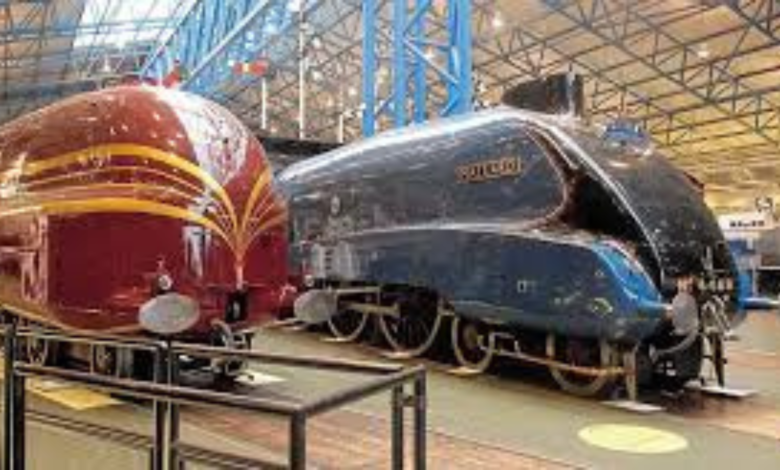
The Coronation Class Locos are celebrated as some of the most powerful and iconic steam locomotives ever built in Britain. Introduced in the late 1930s by the London, Midland and Scottish Railway (LMS), these locomotives were designed to handle express passenger services with unmatched speed and efficiency. Their striking design, technical innovation, and record-breaking performance quickly earned them a legendary status among railway enthusiasts and historians alike, marking them as symbols of British engineering excellence during the steam era.
These locomotives were specifically designed to compete with rival railway companies, particularly the LNER A4 class. Designed by William Stanier, the Coronation Class Locos combined power, reliability, and aesthetic appeal. The first locomotives entered service in 1937, and their introduction coincided with the need for faster, more efficient long-distance travel across Britain. With 38 units eventually produced, the class served as a benchmark for express passenger engines, offering both performance and elegance that few other locomotives could match.
History and Origins of Coronation Class Locos
The history of the Coronation Class Locos is closely tied to the evolution of British railway transport. These locomotives were conceived at a time when the LMS sought to modernise its fleet and establish a competitive edge in express passenger services. William Stanier, who had experience with the Great Western Railway, brought innovative design principles to the class. By improving upon previous LMS engines, the Coronation Class achieved higher speeds and greater hauling capacity, which made them suitable for prestigious routes such as the Coronation Scot between London and Glasgow.
The class was built in stages between 1937 and 1948, a period that saw significant developments in locomotive engineering. Each engine was designed with specific operational requirements in mind, including long-distance travel without frequent stops and the ability to haul heavy passenger trains at high speed. This careful planning ensured that the Coronation Class Locos not only met but exceeded the performance expectations of the era, solidifying their reputation as some of Britain’s finest steam locomotives.
Engineering and Design Features
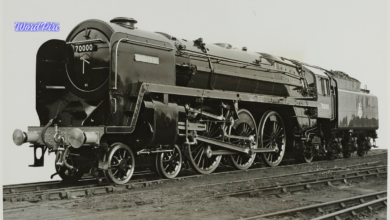
The engineering of the Coronation Class Locos was groundbreaking, combining power, speed, and reliability. The locomotives featured a 4-6-2 wheel arrangement, large boilers, and powerful cylinders, enabling them to maintain high speeds over long distances. Some engines were streamlined, reducing air resistance and giving them a distinctive, aerodynamic appearance. These design choices were not only practical but visually impressive, making the Coronation Class a favourite subject for photographers, model makers, and railway enthusiasts alike.
In addition to their speed and power, the locomotives incorporated innovations in steam technology that enhanced performance and safety. The use of high-pressure boilers and optimised valve gear allowed the engines to deliver more horsepower efficiently. The design of the chassis and suspension ensured stability at speed, while the careful placement of components improved overall balance. These engineering choices made the Coronation Class Locos among the most advanced and reliable locomotives of their time.
Records and Achievements
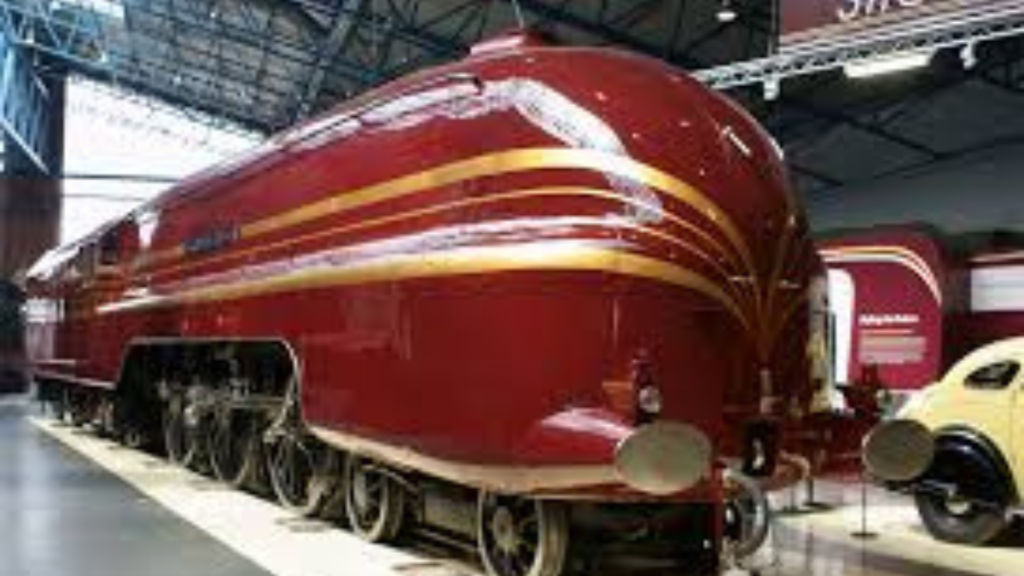
The Coronation Class Locos were renowned for setting remarkable records that highlighted their engineering prowess. On its first public run, locomotive 6220 Coronation broke the British speed record, travelling at over 110 mph. This achievement demonstrated the class’s capability to combine speed with reliability, a vital requirement for express passenger services. Over the years, other locomotives in the class continued to set benchmarks, further cementing their reputation as Britain’s most powerful steam engines.
These records were not limited to speed alone. The Coronation Class also excelled in hauling capacity and operational efficiency, enabling them to transport heavy passenger trains across the country without delay. The locomotives’ performance was carefully documented and celebrated in engineering journals of the time. Their ability to consistently maintain high speeds on challenging routes contributed to the prestige of the LMS and the enduring legacy of the Coronation Class Locos.
Famous Locos in the Class
Among the 38 Coronation Class Locos, several engines achieved fame for their service and achievements. Locomotive 6229 Duchess of Hamilton is one of the most celebrated, noted for both its speed and elegant streamlined design. Others, like 6220 Coronation and 6233 Duchess of Sutherland, were admired for breaking records and hauling prestigious trains. Each locomotive had its own operational history, contributing to the rich narrative of British railway heritage and the enduring fascination with the class.
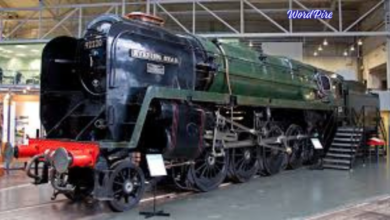
Many of these locomotives have been preserved, allowing enthusiasts to experience their power and grandeur today. Museums and heritage railways across the UK display these engines, often in working order, providing a unique opportunity to witness the Coronation Class Locos in action. Their preservation has not only kept history alive but also inspired generations of model engineers and railway historians.
Models, Replicas, and Cultural Impact
The Coronation Class Locos have also left a significant cultural footprint. Scale models, including OO gauge replicas by Hornby and Tri-ang, have been popular among collectors and hobbyists, capturing the imagination of railway enthusiasts worldwide. Their streamlined design and distinctive features make them particularly appealing in miniature form, allowing fans to recreate historic journeys and iconic trains.
Beyond modelling, these locomotives have influenced literature, exhibitions, and railway documentaries. They are celebrated as symbols of British innovation, and their story is often highlighted in museums and railway events. The impact of the Coronation Class Locos on British culture extends beyond engineering, reflecting national pride and the fascination with technological achievement during the steam era.
Preservation and Heritage
Preservation of the Coronation Class Locos has been a major focus for railway enthusiasts and heritage organisations. Restoring these large and complex machines requires expertise, resources, and dedication. Several locomotives, including the famous 6229 Duchess of Hamilton, have been restored to running condition and can be seen on heritage lines, offering the public an authentic experience of Britain’s steam railway history.
Heritage railways and museums not only display these locomotives but also educate visitors about their technical and historical significance. Through guided tours, exhibitions, and live steam demonstrations, the legacy of the Coronation Class Locos is kept alive, inspiring appreciation for the ingenuity and craftsmanship of British engineers during the golden age of steam.
Conclusion
The Coronation Class Locos remain a symbol of power, speed, and engineering excellence in British railway history. From breaking speed records to inspiring model enthusiasts, these locomotives represent a remarkable era of innovation and ambition. Their preservation ensures that future generations can appreciate their technical achievements and aesthetic appeal. Celebrated in museums, heritage lines, and cultural references, the Coronation Class Locos continue to capture the imagination of railway enthusiasts worldwide.
Frequently Asked Questions
What are Coronation Class Locos?
A class of British express passenger steam locomotives built by LMS.
Who designed the Coronation Class Locos?
They were designed by William Stanier for the LMS.
How fast could Coronation Class Locos travel?
They could reach speeds of over 110 mph.
How many Coronation Class Locos were built?
A total of 38 locomotives were produced.
Are Coronation Class Locos preserved today?
Yes, several are preserved in UK museums and heritage railways.
What made Coronation Class Locos unique?
Their power, streamlined design, and record-breaking performance.
Which Coronation Class locomotive was the fastest?
6220 Coronation broke the British steam speed record.
Can the public see Coronation Class Locos?
Yes, many are on display or running on heritage lines.
Were Coronation Class Locos more powerful than LNER A4s?
Yes, they were among the most powerful British steam locomotives.
How did Coronation Class Locos influence British railways?
They set standards for speed, power, and express passenger service.
Also Read: Athens Conservatoire