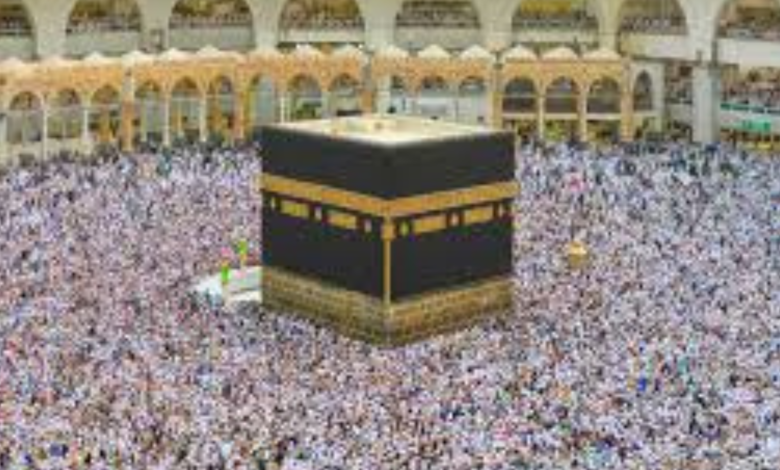
Islam holy sites are at the heart of the Muslim faith, representing centuries of religious devotion, culture, and history. These sites, ranging from grand mosques to revered shrines, are deeply connected to Islamic rituals, including Hajj, Umrah, and daily prayers. Millions of pilgrims visit these sacred locations every year, drawn by the spiritual significance and the opportunity to connect with the legacy of Prophet Muhammad and Islamic heritage.
Beyond spiritual importance, Islam holy sites serve as symbols of unity and faith for Muslims worldwide. They provide a space for reflection, learning, and devotion, fostering a sense of belonging and reverence. Understanding these sites helps believers and visitors appreciate the rich traditions, architecture, and historical events that shaped Islam. Each site offers a unique experience, blending religious significance with cultural and historical depth.
What Are Islam Holy Sites?
Islam holy sites are locations recognised for their spiritual, historical, and religious importance. They are often associated with significant events in the life of Prophet Muhammad, revered Islamic figures, or key moments in Islamic history. These sites are central to worship and reflection, drawing pilgrims to experience spiritual growth and religious fulfilment.
The significance of Islam holy sites varies across different Islamic traditions. While Sunni and Shia Muslims share reverence for certain key sites, others hold specific importance for particular sects. Visiting these sacred locations allows Muslims to participate in rituals, learn about their faith, and strengthen their connection to the divine. These sites remain integral to the spiritual and cultural identity of Muslim communities.
The Three Most Sacred Sites
Masjid al-Haram in Mecca is the most revered Islam holy site. It houses the Kaaba, the sacred cube-shaped structure that serves as the focal point for Muslim prayer worldwide. Pilgrims travel from across the globe to perform Hajj and Umrah, engaging in rituals that have been observed for centuries. The mosque’s profound spiritual atmosphere and historical significance make it the ultimate destination for millions of believers.
Al-Masjid an-Nabawi in Medina is another major Islam holy site. Built by Prophet Muhammad, it is home to the Prophet’s tomb under the famous Green Dome. Visitors come to pray, reflect, and connect with Islamic history. The mosque’s significance extends beyond religious practices, representing a centre for learning, guidance, and community. Its architecture and spiritual aura attract pilgrims and scholars alike.
Al-Aqsa Mosque in Jerusalem is the third most revered Islam holy site. Associated with the Prophet’s Night Journey and Isra and Mi’raj, it holds immense historical and spiritual value. Both Sunni and Shia Muslims regard it with deep reverence, visiting to pray and reflect on its role in Islamic tradition. Al-Aqsa is also a symbol of Islamic heritage, inspiring devotion and unity across the Muslim world.
Other Important Islam Holy Sites
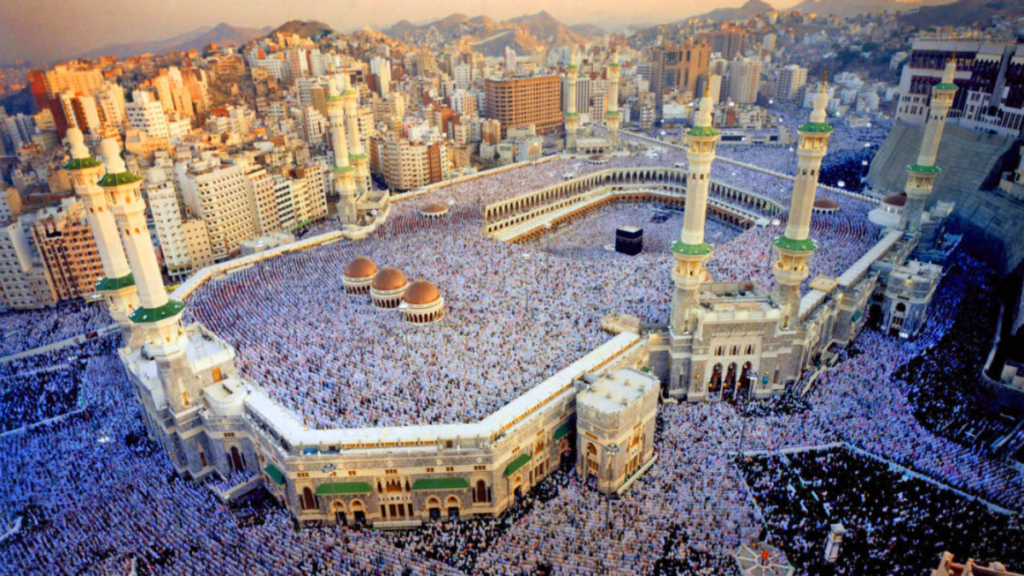
Several other Islam holy sites are central to Muslim devotion, particularly for Shia communities. The Shrine of Imam Ali in Najaf and the Imam Husayn Shrine in Karbala are deeply significant, commemorating important figures in Islamic history. Pilgrims visit these shrines to pray, seek guidance, and participate in religious ceremonies, connecting spiritually with the legacy of these revered leaders.
Other notable Islam holy sites include the Imam Reza Shrine in Mashhad and the Fatima Masumeh Shrine in Qom, Iran. These locations attract millions of pilgrims each year, providing opportunities for worship, reflection, and cultural understanding. Visiting these sites enhances a believer’s spiritual journey while offering insight into the rich history and traditions of Islam.
Pilgrimage and Visiting Guidelines
Visiting Islam holy sites involves observing rituals, etiquettes, and specific acts of worship. During Hajj and Umrah, pilgrims perform ceremonies such as Tawaf (circumambulation of the Kaaba), Sa’i (walking between Safa and Marwah), and prayers at sacred locations. Maintaining proper behaviour, dressing modestly, and showing respect to others are essential aspects of visiting these sites.
Islam holy sites also provide opportunities for education and reflection. Guided tours, religious lectures, and cultural programmes help pilgrims and visitors gain deeper knowledge about Islamic history, practices, and architecture. Following these guidelines ensures a meaningful and spiritually enriching experience, allowing every visitor to connect authentically with the essence of the sacred places.
Historical and Cultural Significance
The historical and cultural importance of Islam holy sites cannot be overstated. Many mosques and shrines represent centuries of architectural innovation, artistic expression, and religious heritage. These sites preserve stories of the Prophet Muhammad, revered Islamic figures, and key historical events that shaped the Muslim world. Visiting them provides a tangible connection to the rich past of Islam.
Culturally, Islam holy sites foster unity and community among Muslims. Religious festivals, pilgrimages, and commemorations bring together diverse populations, strengthening shared faith and values. They also preserve cultural heritage, ensuring that future generations understand and respect the traditions and history that define Islamic identity.
Modern Day Relevance
In the modern era, Islam holy sites continue to play a central role in the lives of Muslims worldwide. They attract pilgrims, scholars, and tourists, fostering spiritual growth, learning, and cultural exchange. Efforts to maintain and protect these sites ensure accessibility while preserving their historical and religious significance.
These sites also serve as symbols of global Islamic identity. They inspire devotion, unity, and education, connecting Muslims from diverse backgrounds. Islam holy sites remain living testimonies of faith, offering lessons in history, culture, and spirituality to all who visit. Their continued relevance reinforces the enduring impact of Islam on society and culture worldwide.
Conclusion
Islam holy sites are much more than physical locations; they are sacred symbols of faith, history, and devotion. From Mecca and Medina to Jerusalem and beyond, each site offers spiritual enrichment, cultural insight, and historical significance. Visiting these sites strengthens a Muslim’s connection to faith, fosters understanding of Islamic traditions, and preserves heritage for future generations. Respecting and cherishing these sacred places ensures their importance endures worldwide.
Frequently Asked Questions
- What are the three holiest Islam holy sites?
Masjid al-Haram in Mecca, Al-Masjid an-Nabawi in Medina, and Al-Aqsa Mosque in Jerusalem. - Can non-Muslims visit Islam holy sites?
Non-Muslims can visit some sites like Al-Aqsa, but Mecca and Medina are restricted to Muslims only. - What is the significance of the Kaaba in Mecca?
The Kaaba is the focal point of Muslim prayer and central to Hajj and Umrah rituals. - How do Sunni and Shia Muslims differ in their holy sites?
Shia Muslims also venerate shrines like Imam Ali in Najaf, while Sunni focus mainly on Mecca, Medina, and Jerusalem. - Which holy sites are visited during Hajj and Umrah?
Pilgrims primarily visit Masjid al-Haram, including the Kaaba, Mina, Arafat, and Muzdalifah. - Why is Al-Aqsa Mosque historically important?
It is linked to the Prophet’s Night Journey and Isra and Mi’raj, holding deep spiritual significance. - Which lesser-known Islam holy sites are worth visiting?
Shrines of Imam Husayn in Karbala and Imam Reza in Mashhad are important Shia holy sites. - How has the architecture of Islam holy sites evolved over time?
Islamic architecture evolved to include domes, minarets, and intricate calligraphy reflecting cultural influences. - Can I travel to Islam holy sites from the UK?
Yes, UK Muslims often travel via organised Hajj, Umrah, or independent pilgrimages with proper visas. - What rituals are performed at Imam Ali and Imam Husayn shrines?
Pilgrims offer prayers, recite Quran, and perform ziyarat to seek blessings and reflect spiritually.
Also Read: Coronation Class Locos

