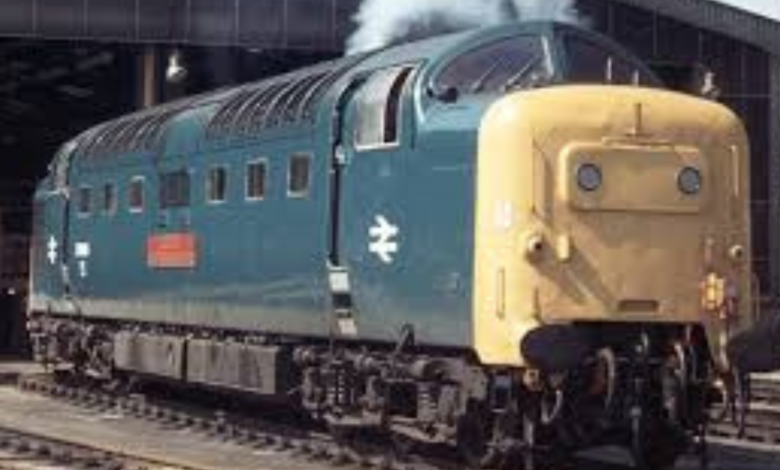
The deltic class 55 is widely regarded as one of the most iconic diesel locomotives in British railway history. Built between 1961 and 1962 by English Electric at Vulcan Foundry, it was designed to modernise the East Coast Main Line and replace ageing steam locomotives. Its unique triangular Napier Deltic engine produced a remarkable 3,300 horsepower, allowing these locomotives to reach speeds of up to 100 mph, a record for diesel traction at the time.
These locomotives quickly gained fame for their distinctive appearance and powerful performance. Enthusiasts and passengers alike admired their streamlined bodywork and the thunderous sound of their engines as they accelerated along the tracks. The deltic class 55 represented not only a technological advancement but also a symbol of British engineering excellence that continues to capture the imagination of rail fans today.
Origins and Design of the Deltic Class 55
The deltic class 55 was conceived as part of British Rail’s ambitious modernisation plan in the 1960s. The railway sought a high-speed, high-power diesel locomotive capable of hauling express passenger services efficiently. English Electric responded with a revolutionary design featuring the Napier Deltic engine, a triangular 18-cylinder powerhouse that provided high output in a compact and lightweight frame.
Its design was both functional and visually striking. The deltic class 55 featured a streamlined nose, flush body panels, and prominent headlamps, giving it a distinctive presence on the railway network. These locomotives were engineered for durability, speed, and reliability, making them a favourite among drivers and maintenance crews. Today, the design remains an inspiration for model makers and railway historians.
Technical Specifications and Performance
The deltic class 55 stands out for its technical sophistication and robust performance. Its twin Napier Deltic D18-25 engines delivered a combined 3,300 horsepower, allowing it to maintain high speeds even when pulling heavy express trains. The locomotive’s maximum speed of 100 mph made it a formidable competitor to contemporary steam engines, transforming the experience of long-distance rail travel in the UK.
In addition to speed, the deltic class 55 had impressive tractive effort, enabling it to tackle steep gradients without compromising performance. Its fuel efficiency, lightweight frame, and advanced cooling systems contributed to its reliability. This combination of power, speed, and endurance made the deltic class 55 an engineering marvel that set new standards for British diesel locomotives.
Operational History and Service
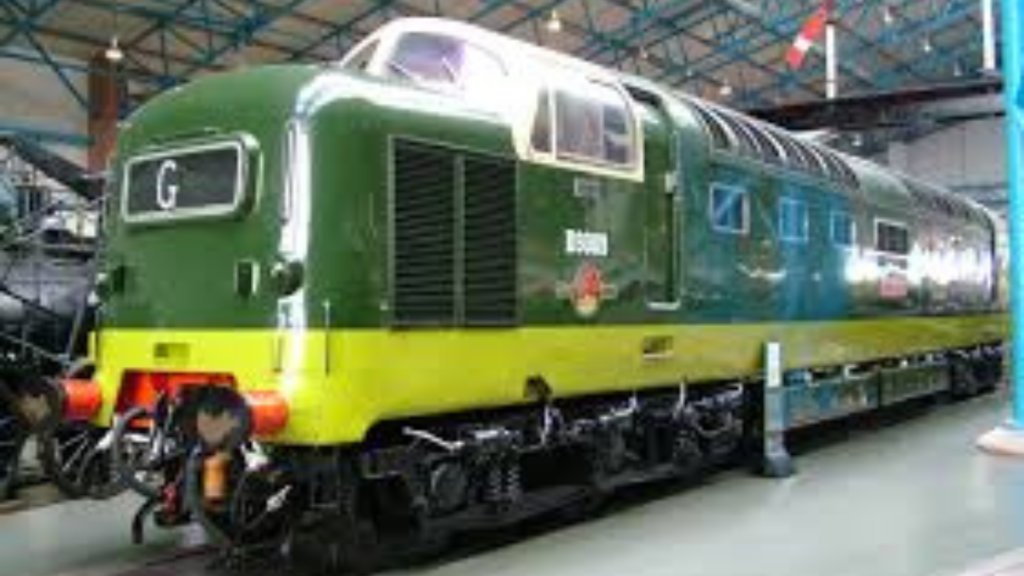
Entering service in 1961, the deltic class 55 became the backbone of express passenger services on the East Coast Main Line. It primarily operated between London, Edinburgh, and Newcastle, offering faster journey times and a more comfortable ride than previous steam services. Passengers quickly recognised the distinct sound and speed of these locomotives, which earned them a legendary status among railway enthusiasts.
The deltic class 55 served for over two decades, performing consistently even as British Rail continued to modernise. They handled demanding schedules and long-distance routes with remarkable reliability. Even after withdrawal from regular service in the early 1980s, their legacy persisted through photographs, models, and heritage rail operations, keeping the memory of these iconic locomotives alive.
Preservation and Heritage
Many deltic class 55 locomotives have been preserved, thanks to the efforts of organisations such as the Deltic Preservation Society. These preserved locomotives operate on heritage lines and occasionally run special mainline tours, allowing enthusiasts and the general public to experience their power firsthand. Preservation efforts ensure that future generations can appreciate the engineering excellence of these historic locomotives.
The cultural significance of the deltic class 55 extends beyond railways. Heritage galas, exhibitions, and railfan events often showcase these locomotives, highlighting their unique contribution to British transport history. Maintaining operational examples requires dedication and expertise, but the sight and sound of a deltic class 55 in action remains an unforgettable experience for anyone interested in railway heritage.
Accurascale Deltic Class 55 Models
The popularity of the deltic class 55 has also inspired model railway enthusiasts, particularly through Accurascale’s detailed replicas. These models faithfully reproduce the original locomotives’ design, including the streamlined body, headlamp arrangement, and distinctive livery. Collectors value Accurascale models for their realism, quality of build, and attention to detail, making them a sought-after addition to any railway collection.
Model enthusiasts appreciate how Accurascale captures the essence of the deltic class 55. From accurate engine placement to realistic motion and lighting, these models allow hobbyists to experience the locomotives on a smaller scale. This enduring interest in miniature versions of the deltic class 55 demonstrates the locomotive’s lasting appeal, both as a historic engineering feat and as a cultural icon.
Cultural Impact and Legacy
The deltic class 55 continues to hold a prominent place in British railway culture. Its distinctive design, high speed, and powerful engine have made it a symbol of post-war railway modernisation. Rail documentaries, photography, and enthusiast communities frequently celebrate the deltic class 55, cementing its place as one of the most recognisable diesel locomotives in history.
Even decades after their withdrawal from service, the deltic class 55 influences modern locomotive design and inspires model makers, historians, and engineers. Its enduring presence in heritage rail operations and cultural media ensures that the legacy of this iconic locomotive remains strong, illustrating the importance of engineering excellence and historical preservation.
Conclusion
The deltic class 55 remains an enduring symbol of British engineering and railway history. Its combination of power, speed, and striking design made it a transformative force on the East Coast Main Line. Preservation societies, heritage railways, and model makers continue to celebrate its achievements, ensuring that the deltic class 55 remains a beloved icon for generations to come. Its legacy is a testament to innovation, reliability, and the passion of those dedicated to preserving Britain’s railway heritage.
Frequently Asked Questions
What is the top speed of a deltic class 55?
The top speed of a deltic class 55 is 100 mph.
How many deltic class 55 locomotives were built?
A total of 22 deltic class 55 locomotives were built.
Who built the deltic class 55?
The deltic class 55 was built by English Electric at Vulcan Foundry.
Are any deltic class 55 locomotives still preserved today?
Yes, several deltic class 55 locomotives are preserved by heritage societies.
What makes the deltic class 55 unique compared to other diesel locomotives?
Its Napier Deltic engine and distinctive triangular design make it unique.
Can I buy an Accurascale deltic class 55 model?
Yes, Accurascale produces highly detailed deltic class 55 model locomotives.
Where can I see a deltic class 55 in action today?
Preserved deltic class 55 locomotives can be seen on heritage railways and special mainline tours.
Also Read: MotoGP 2015