John Howard, 1st Duke of Norfolk: Life, Legacy, and the Yorkist Champion of the Wars of the Roses

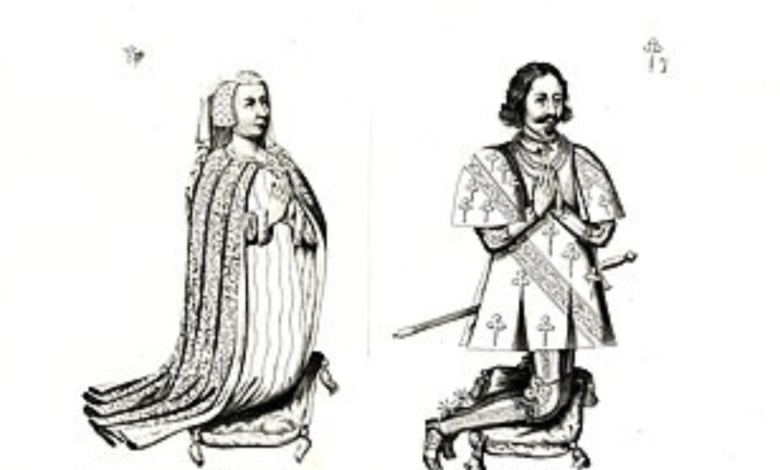
John Howard, 1st Duke of Norfolk, was one of the most prominent English nobles of the 15th century, renowned for his military skill, political influence, and loyalty to the Yorkist kings. His life spanned a period of intense dynastic struggle, the Wars of the Roses, which shaped England’s royal succession and the power of its noble families. Howard’s dedication to his king and country earned him a lasting place in British history.
Beyond his military achievements, John Howard, 1st Duke of Norfolk, was a pivotal figure in the development of the Howard family’s legacy. His strategic alliances, careful management of estates, and influence at court cemented his status among England’s elite. Understanding his life offers insight into the responsibilities, challenges, and privileges of medieval nobility.
Early Life and Family Background
John Howard, 1st Duke of Norfolk, was born around 1425 in Tendring, United Kingdom, into a powerful noble family. He was the son of Sir Robert Howard and Lady Margaret Mowbray, whose connections extended into the upper echelons of English society. The Howard family’s long-standing involvement in politics and military affairs provided John with opportunities that shaped his future career as a soldier and nobleman.
From an early age, John Howard, 1st Duke of Norfolk, was immersed in the traditions of nobility, including training in combat, horsemanship, and leadership. His upbringing emphasised loyalty, honour, and service to the crown, values that guided him throughout his life. The influence of his family, combined with personal skill, prepared him to navigate the turbulent political landscape of 15th-century England.
Rise to Power and Titles
John Howard, 1st Duke of Norfolk, steadily rose through the ranks of English nobility, earning respect for both his leadership and loyalty. In 1483, he was formally elevated to Duke of Norfolk, one of the highest-ranking titles in the kingdom. This position not only reflected his personal achievements but also solidified the Howard family’s prominence in England for generations.
In addition to his dukedom, John Howard, 1st Duke of Norfolk, served as Earl Marshal, a critical role that involved overseeing royal ceremonies and maintaining law and order among the nobility. These responsibilities further reinforced his influence at the royal court and showcased his administrative skill. His political alliances and ability to navigate complex court dynamics made him a trusted figure among the Yorkist kings.
Military Career and Wars of the Roses
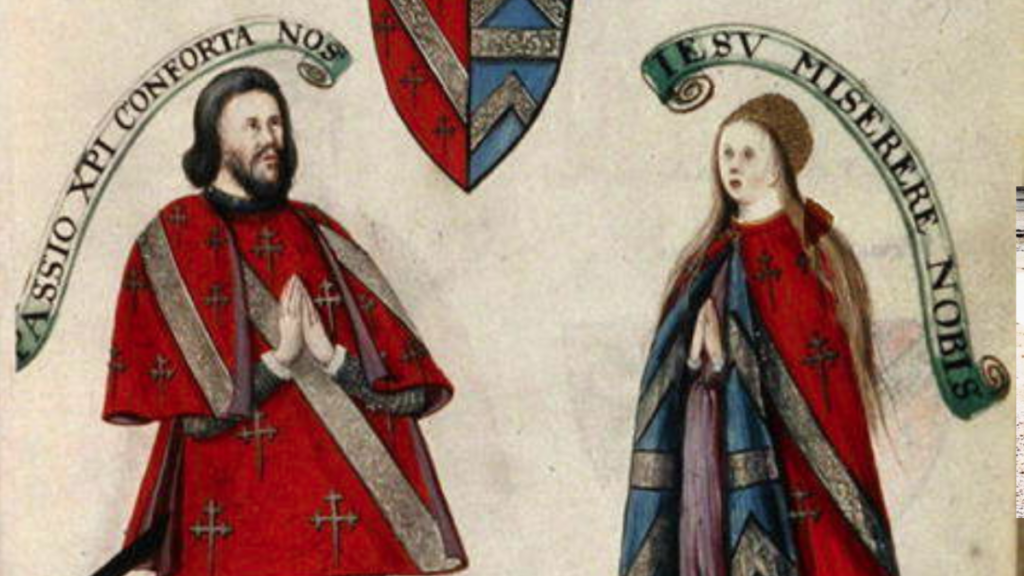
John Howard, 1st Duke of Norfolk, was a dedicated supporter of the Yorkist cause, fighting in multiple campaigns to uphold the authority of kings Edward IV and Richard III. His battlefield experience and tactical insight earned him the nickname “Jack of Norfolk,” symbolising both respect and fear among allies and enemies alike. Howard’s contributions to the Wars of the Roses helped secure critical victories for the Yorkist faction.
Throughout his military career, John Howard, 1st Duke of Norfolk, demonstrated remarkable courage and leadership. His ability to inspire troops and make strategic decisions on the battlefield made him an indispensable ally to King Richard III. The battles he fought in not only tested his skill as a commander but also influenced the broader outcome of England’s dynastic struggles, highlighting his historical significance.
Personal Life and Marriage
John Howard, 1st Duke of Norfolk, married Katherine Moleyns, creating alliances that strengthened both family ties and political influence. Together, they had several children, including Thomas Howard, who succeeded his father as the 2nd Duke of Norfolk. These familial connections helped ensure the continuity and prominence of the Howard dynasty in England’s nobility.
Beyond his formal duties, John Howard, 1st Duke of Norfolk, managed extensive estates and engaged in the social and political life expected of a nobleman of his rank. His household became a centre of influence, reflecting both his wealth and status. His careful management of family and estates ensured that the Howard name would endure long after his death, cementing his historical legacy.
Death at the Battle of Bosworth
John Howard, 1st Duke of Norfolk, met his end at the Battle of Bosworth on 22 August 1485, fighting alongside his close friend and king, Richard III. His death marked a turning point for the Yorkist cause and had profound implications for the Howard family. Despite his passing, Howard’s reputation as a loyal and courageous nobleman remained untarnished.
The loss of John Howard, 1st Duke of Norfolk, underscored the high stakes of medieval warfare, where loyalty and bravery often came at the ultimate price. His death at Bosworth symbolised both the end of an era for the Yorkists and the beginning of a new chapter for the Howard dynasty, whose influence would continue under his descendants.
Legacy and Historical Significance
John Howard, 1st Duke of Norfolk, left an enduring legacy through his military achievements, political influence, and family lineage. His son, Thomas Howard, 2nd Duke of Norfolk, carried on the family’s prominence, while future generations of Howards continued to shape English politics, including connections to the Tudor monarchy.
Historians recognise John Howard, 1st Duke of Norfolk, as a figure whose life reflected the complexities of 15th-century English nobility. His dedication to the crown, combined with his strategic acumen, made him a model of loyalty and leadership. The Howard family’s prominence today owes much to his vision, service, and the legacy he established during one of England’s most turbulent periods.
Conclusion
John Howard, 1st Duke of Norfolk, remains a fascinating figure in English history. From his early life in Tendring to his death at the Battle of Bosworth, he exemplified courage, loyalty, and leadership. His contributions to the Yorkist cause and the Howard dynasty left an indelible mark on England, ensuring that his life and legacy continue to captivate historians and enthusiasts alike.
Through his service, John Howard, 1st Duke of Norfolk, not only shaped the outcome of key battles but also influenced the social and political landscape of medieval England. His life story reflects the enduring importance of nobility, family, and loyalty in shaping the course of history.
Frequently Asked Questions
Who was John Howard, 1st Duke of Norfolk?
He was a prominent 15th-century English nobleman, soldier, and Yorkist supporter.
When and where was John Howard born?
He was born around 1425 in Tendring, United Kingdom.
What role did he play in the Wars of the Roses?
He was a loyal commander for the Yorkist kings, including Edward IV and Richard III.
Who were his children?
His children included Thomas Howard, who became the 2nd Duke of Norfolk, among others.
How did John Howard die?
He was killed at the Battle of Bosworth in 1485 while supporting King Richard III.
Why was he called “Jack of Norfolk”?
It was a nickname reflecting his reputation as a courageous and respected nobleman.
What was his legacy?
He established the Howard family’s enduring prominence in English nobility.
How did he become Duke of Norfolk?
He was elevated to the title in 1483 for his loyalty and service to the crown.
Where can I find portraits or records of him?
Historical records and portraits can be found in the National Portrait Gallery and archives.
What was his contribution to English history?
He influenced military strategy, nobility governance, and the Yorkist cause during his lifetime.
Also Read: Dassault Mirage 3