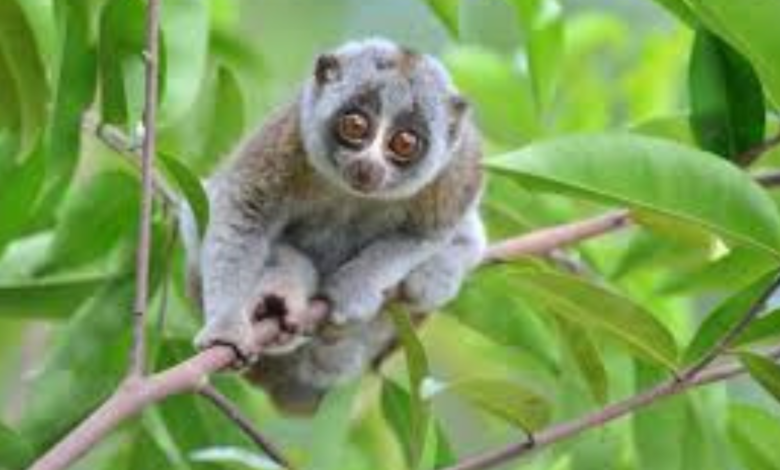
The slow loris is a truly fascinating creature that captures attention with its wide, expressive eyes and gentle, almost dreamlike movements. Native to the forests of Southeast Asia, this small primate has become widely recognised for its unique appearance. Despite its innocent look, the slow loris hides an extraordinary biological trait that sets it apart from all other primates on Earth.
In recent years, the slow loris has gained popularity online, often appearing in viral clips that showcase its calm and adorable nature. However, these portrayals can be misleading. The slow loris is not a harmless pet but a wild animal with a powerful defence system. Understanding its true nature is essential for appreciating its role in the ecosystem and respecting its boundaries.
What Is a Slow Loris
A slow loris is a nocturnal primate belonging to the genus Nycticebus, found primarily in tropical forests across Southeast Asia. It is characterised by its compact body, strong grip, and large forward-facing eyes that allow it to see clearly in the dark. These features make the slow loris perfectly adapted to a life spent navigating dense forest canopies at night.
Unlike more active primates, the slow loris moves deliberately and silently, avoiding sudden motions that might attract predators. This behaviour is not due to laziness but is a strategic survival mechanism. The slow loris animal relies on stealth and patience, making it one of the most intriguing examples of adaptation in the animal kingdom.
Types of Slow Loris Species
There are several species of slow loris, each with its own distinct characteristics and geographical range. The pygmy slow loris is among the smallest and is commonly found in Vietnam and Laos. Its tiny size and soft fur make it especially appealing, which unfortunately contributes to its capture in the illegal pet trade.
Other species include the Bengal slow loris, known for its larger size and presence in parts of India and Bangladesh, as well as the Javan and Sunda slow loris. These species differ in habitat, markings, and behaviour, yet all share the defining traits of slow movement and nocturnal activity that make the slow loris so unique.
Slow Loris Venom The Deadly Secret
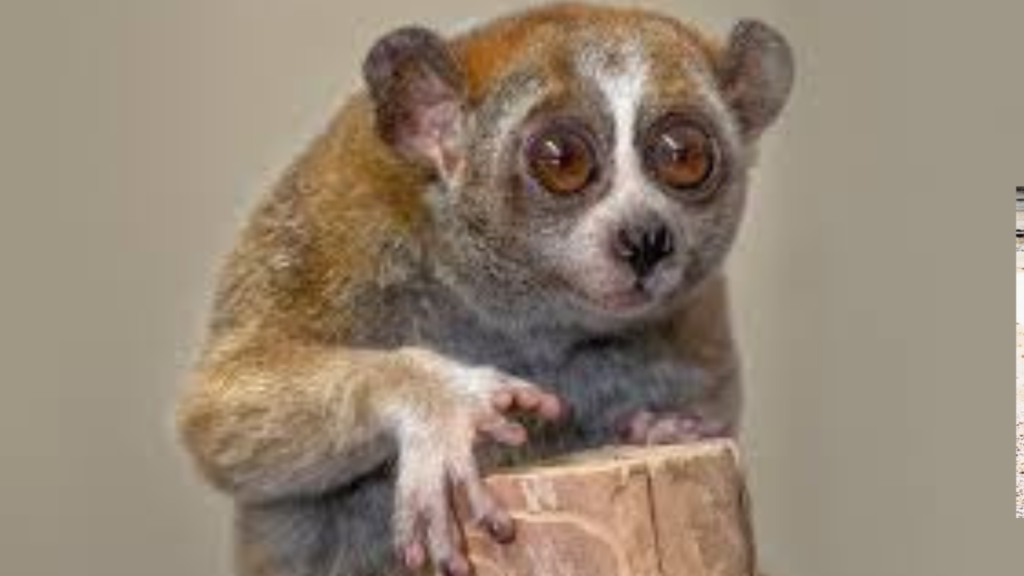
What truly distinguishes the slow loris from other primates is its ability to produce venom. This remarkable feature originates from a gland located on its elbow, known as the brachial gland. When threatened, the slow loris raises its arm and licks this gland, mixing the toxin with its saliva to create a venomous bite.
The venom of the slow loris is used primarily for defence and can cause significant harm. In humans, it may lead to severe pain, swelling, and even allergic reactions. This rare adaptation highlights the complexity of the slow loris and challenges the common perception that all small, cute animals are harmless.
Slow Loris Bite and Attack What Happens
Although a slow loris attack is not common, it can occur when the animal feels cornered or frightened. Its bite is slow but deliberate, and once it connects, the venom can enter the bloodstream. This makes a slow loris bite wound potentially serious, particularly for individuals with allergies or sensitive immune systems.
Symptoms of a bite may include intense pain, redness, swelling, and in rare cases, more severe reactions. It is important to note that the slow loris does not seek to harm humans but uses its bite as a last resort. Respecting its space and avoiding direct contact is the best way to prevent such encounters.
Behaviour and Lifestyle of the Slow Loris
The slow loris leads a quiet and solitary life, emerging at night to search for food. Its diet consists of insects, fruits, nectar, and tree gum, which it collects using its strong grip and careful movements. This varied diet helps sustain the slow loris in diverse forest environments.
Its slow movement is one of its most defining traits, allowing it to remain undetected by predators. The slow loris communicates through scent marking and subtle vocalisations, maintaining a low profile within its habitat. This combination of behaviours makes the slow loris a master of survival in its natural environment.
Habitat Distribution and Conservation Status
Slow lorises are found in a wide range of Southeast Asian countries, including Indonesia, Thailand, Malaysia, and Vietnam. They inhabit tropical rainforests where dense vegetation provides both food and shelter. However, these habitats are increasingly threatened by deforestation and human expansion.
The slow loris is also at risk due to the illegal wildlife trade, as its cute appearance makes it a target for exotic pet markets. Many species, such as the Javan slow loris, are now classified as endangered. Conservation efforts are essential to protect the slow loris and preserve its natural habitat for future generations.
Slow Loris in Popular Culture and Misconceptions
The rise of social media has contributed to a widespread misunderstanding of the slow loris. Often portrayed as a gentle and cuddly pet, it is frequently featured in videos that ignore its natural behaviour and needs. This misrepresentation has led to increased demand for slow lorises as pets, which is harmful to their survival.
In reality, the slow loris is a wild animal that requires a specific environment and diet. Capturing and keeping it in captivity can cause significant stress and health issues. Raising awareness about these misconceptions is crucial in protecting the slow loris and promoting ethical treatment of wildlife.
Conclusion
The slow loris is a remarkable creature that combines charm with an unexpected level of complexity. Its slow movements, nocturnal lifestyle, and unique venom make it one of the most distinctive primates in the world. While it may appear harmless, it possesses adaptations that demand respect and understanding.
By learning more about the slow loris, we can appreciate its role in the ecosystem and recognise the importance of conservation. Protecting this species requires awareness, responsible behaviour, and a commitment to preserving its natural habitat. In doing so, we ensure that the slow loris continues to thrive in the wild.
Frequently Asked Questions
What is a slow loris and where does it live?
A slow loris is a nocturnal primate found in the forests of Southeast Asia.
Is the slow loris really venomous?
Yes, it is the only primate known to produce venom through a specialised gland.
How dangerous is a slow loris bite?
A bite can cause pain, swelling, and potentially severe allergic reactions.
Can a slow loris attack humans?
It may bite in self defence, but it is not naturally aggressive.
What do pygmy slow lorises eat?
They eat insects, fruits, nectar, and tree gum.
Why are slow lorises endangered?
They face threats from habitat loss and the illegal pet trade.
Is it legal to keep a slow loris as a pet?
In most countries, it is illegal due to conservation laws.
What is the difference between Bengal and Sunda slow loris?
They differ in size, habitat, and geographical distribution.
How big does a slow loris grow?
They are generally small, with size varying by species.
Why do slow lorises move so slowly?
Their slow movement helps them avoid predators and remain undetected.
Also Read: tv shows with joanne froggatt