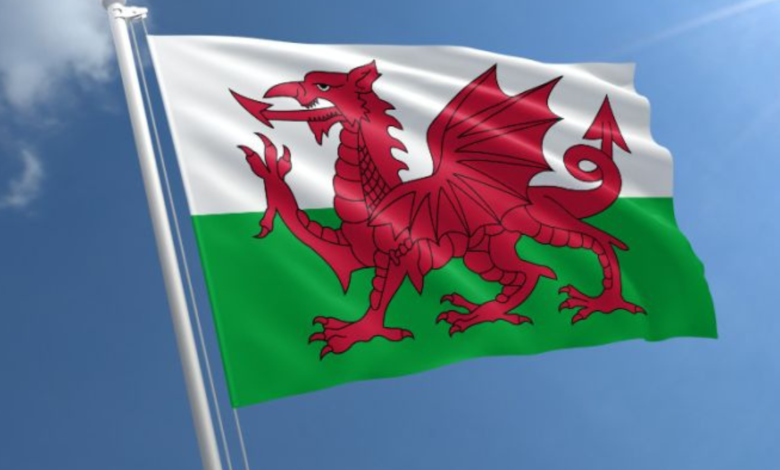
The welsh flag is one of the most distinctive national symbols within the United Kingdom, instantly recognised for its bold red dragon set across a green and white background. It represents the proud nation of Wales and reflects centuries of history, culture, and identity. Unlike many flags that rely purely on geometric designs, this flag carries a mythical creature that captures attention worldwide.
Beyond its striking appearance, the welsh flag serves as a powerful emblem of unity and belonging for the Welsh people. It is displayed during national celebrations, sporting events, and cultural festivals, symbolising pride and resilience. Its uniqueness lies not only in its design but also in the deep historical roots that connect modern Wales to its ancient past.
The Welsh Flag Design and Colours
The design of the welsh flag is simple yet visually powerful, featuring a red dragon passant positioned prominently across a field divided into green and white halves. This combination creates a bold contrast that ensures the flag stands out among other national symbols. The dragon itself is detailed and dynamic, often depicted with wings spread and one foot raised.
Each colour on the welsh flag carries symbolic meaning tied to Welsh heritage. The green and white colours are associated with the Tudor dynasty, which has historical links to Wales. Meanwhile, the red dragon represents strength, courage, and protection. Together, these elements form a design that is both aesthetically striking and deeply meaningful to the identity of Wales.
Welsh Flag Meaning and Symbolism
The red dragon featured on the welsh flag is steeped in legend and symbolism, often referred to as “Y Ddraig Goch” in Welsh. It is believed to represent the strength and determination of the Welsh people, drawing from ancient myths that depict dragons as powerful and protective beings. This enduring symbol has become central to Welsh identity.
In modern times, the welsh flag symbolises unity, cultural pride, and a strong sense of heritage. It reflects the resilience of Wales throughout history and its commitment to preserving its language and traditions. The flag is more than just a national emblem; it is a visual representation of the spirit and character of the Welsh nation.
Welsh Flag History: From Ancient Times to Today
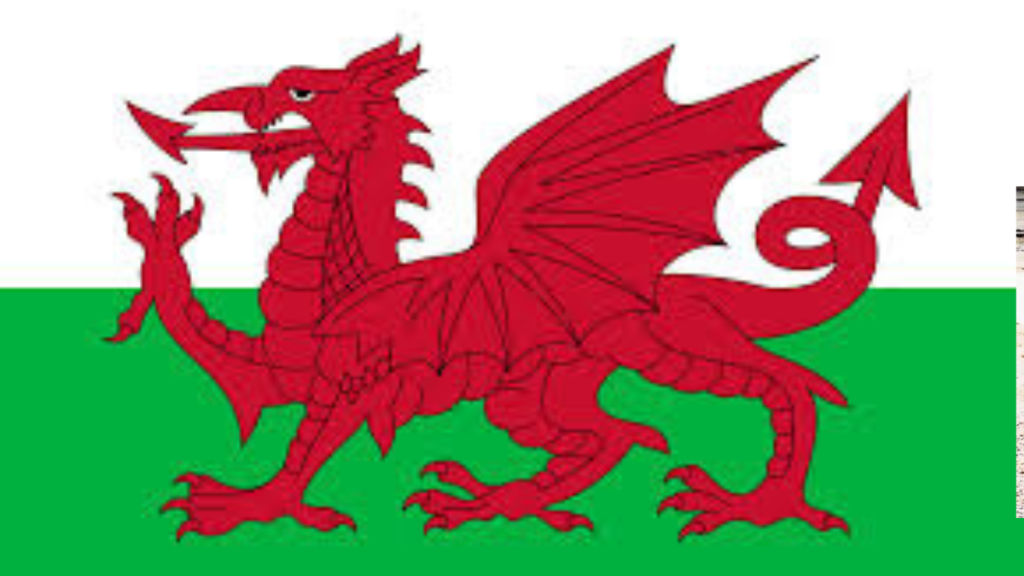
The history of the welsh flag can be traced back to ancient Britain, where dragon imagery was used by Celtic tribes and later adopted by Roman forces. Over time, the dragon became closely associated with Welsh rulers and was used as a symbol of leadership and strength. This historical continuity has helped maintain the flag’s significance.
The welsh flag as it is known today was officially adopted in 1959, but its origins extend far beyond that date. Through centuries of political change and cultural development, the flag has evolved while retaining its core elements. This long and rich history adds depth to its meaning and reinforces its importance in Welsh culture.
Original Welsh Flag Before 1959
Before the official adoption of the modern design, the welsh flag existed in several earlier forms. The original welsh flag before 1959 often included variations of the red dragon, sometimes accompanied by additional symbols or different layouts. These early versions reflected the changing political and cultural landscape of Wales.
Despite these variations, the central image of the red dragon remained consistent, highlighting its importance as a national symbol. The transition to the current design helped standardise the flag and make it more recognisable. This evolution demonstrates how tradition and modern identity can blend to create a lasting national emblem.
Old Welsh Flag vs Modern Welsh Flag
The old welsh flag differed slightly from the modern version in terms of design details and presentation. Earlier flags were often less standardised, with variations in the shape and posture of the dragon. These differences were influenced by historical contexts and artistic interpretations over time.
In contrast, the modern welsh flag offers a clean and consistent design that is widely accepted and used across Wales. It reflects a unified national identity and is easily recognisable both domestically and internationally. The transition from old to modern highlights the importance of clarity and consistency in national symbols.
Welsh Flag and the Union Jack: Why Isn’t It Included?
A common question surrounding the welsh flag is why it does not appear in the Union Jack, the flag representing the United Kingdom. The answer lies in historical context, as Wales was annexed by England long before the Union Jack was created. As a result, it was not represented as a separate entity.
Despite its absence from the Union Jack, the welsh flag remains a strong symbol of national identity. It continues to be proudly displayed throughout Wales and serves as a reminder of the country’s unique cultural heritage. This distinction highlights the importance of recognising Wales as a nation with its own identity.
Welsh Flag in Digital Culture
In today’s digital age, the welsh flag has become increasingly visible across online platforms and social media. It is widely used in images, branding, and promotional materials, helping to represent Welsh culture on a global scale. Its bold design makes it ideal for digital use.
Although the welsh flag emoji is not universally available across all platforms, efforts have been made to include it in digital communication. The growing presence of the flag online reflects its continued relevance in modern society. It plays an important role in connecting people to Welsh identity in a digital world.
Interesting Facts About the Welsh Flag
The welsh flag is often considered one of the oldest national symbols still in use today, with its dragon emblem dating back many centuries. This long history adds to its significance and makes it a unique feature among world flags. Its design has remained largely unchanged over time.
Another interesting aspect of the welsh flag is its prominence in sports and cultural events. It is frequently displayed by fans and participants, symbolising pride and unity. These facts highlight the enduring appeal of the flag and its importance in both historical and contemporary contexts.
Conclusion
The welsh flag stands as a powerful representation of Wales, combining history, mythology, and national pride into a single, striking design. Its red dragon symbol and meaningful colours reflect a deep cultural heritage that continues to resonate with people today.
From its ancient origins to its modern use, the welsh flag remains an enduring symbol of identity and unity. It is more than just a flag; it is a testament to the resilience and spirit of the Welsh people, ensuring its place as one of the most iconic national symbols in the world.
Frequently Asked Questions
What does the welsh flag represent?
It represents Welsh pride, heritage, and the strength symbolised by the red dragon.
Why is there a dragon on the welsh flag?
The dragon comes from ancient Welsh mythology and symbolises power and protection.
What was the original welsh flag before 1959?
It included variations of the red dragon with different styles and arrangements.
Why is the welsh flag not in the Union Jack?
Because Wales was part of England before the Union Jack was created.
What do the colours of the welsh flag mean?
Green and white relate to Welsh heritage, while red symbolises strength and courage.
Is there a welsh flag emoji?
It is not officially available on all platforms but is widely requested.
How old is the welsh flag?
Its origins date back centuries, though it was officially adopted in 1959.
Also Read: Surbiton