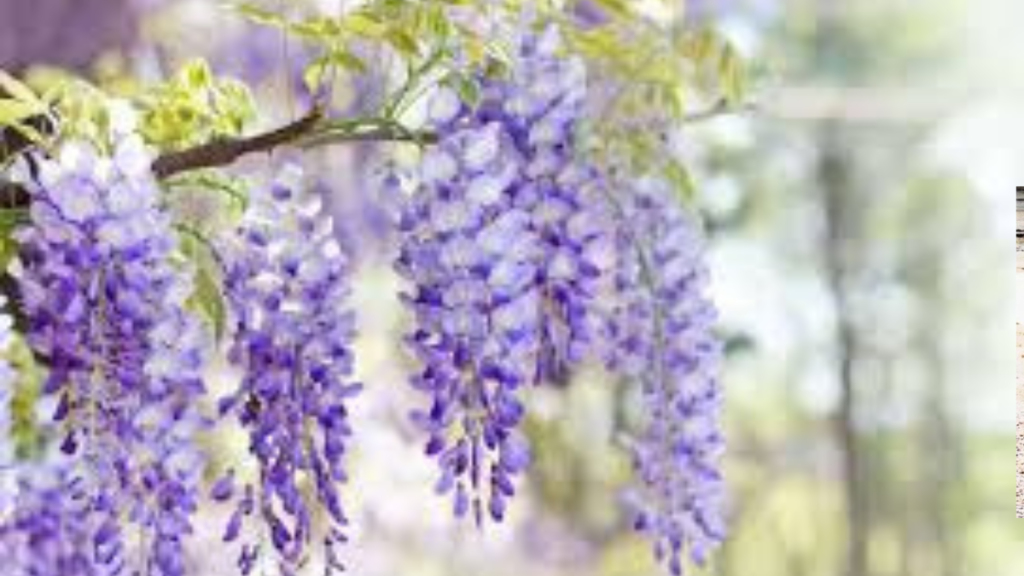
Wisteria is a breathtaking flowering climber that has become a hallmark of traditional and modern British gardens alike. Known for its cascading clusters of fragrant blossoms, it creates a dramatic and elegant display each spring. Whether draped over a pergola or climbing a brick wall, wisteria brings charm, character, and timeless beauty to outdoor spaces across the UK.
Beyond its visual appeal, wisteria is valued for its longevity and ability to transform a garden over time. With proper care, this vigorous plant can thrive for decades, becoming a central feature that improves with age. Its enchanting presence and seasonal blooms make it a favourite choice for gardeners seeking both beauty and structure.
What is a Wisteria Plant
A wisteria plant is a woody, deciduous climber belonging to the legume family, recognised for its fast growth and twining stems. It produces long, pendulous flower clusters in shades of purple, blue, and white, often appearing before the foliage emerges. This striking display gives wisteria a unique and highly ornamental quality.
In addition to its climbing habit, wisteria can also be trained into a standard form, often referred to as a wisteria tree. This involves shaping the plant with careful pruning and support, allowing it to grow upright like a small tree. This versatility makes it suitable for a wide range of garden styles and sizes.
Popular Types of Wisteria
There are several types of wisteria, each offering distinct characteristics suited to different gardening needs. Wisteria sinensis, or Chinese wisteria, is one of the most popular varieties in the UK, known for its vigorous growth and strongly scented flowers. It is particularly admired for its ability to cover large structures quickly.
Another well-regarded variety is wisteria amethyst falls, an American cultivar that is less aggressive and more manageable in smaller gardens. It blooms at a younger age and requires less maintenance, making it an excellent option for beginners who want to enjoy the beauty of wisteria without excessive pruning.
How to Grow Wisteria in the UK
Growing wisteria successfully in the UK begins with selecting the right location. This plant thrives in full sun and well-drained soil, ideally positioned against a south or west-facing wall. Adequate sunlight is crucial for encouraging abundant flowering and ensuring the plant remains healthy throughout the growing season.
Providing strong support is equally important, as wisteria can become heavy and expansive over time. Structures such as pergolas, trellises, or sturdy wires are essential to guide its growth. Early training helps establish the desired shape, whether growing it as a climber or forming a decorative wisteria tree.
When to Prune Wisteria
Understanding when to prune wisteria is essential for maintaining its health and encouraging consistent flowering. In the UK, pruning is typically carried out twice a year, once during the summer months and again in winter. This routine helps control the plant’s vigorous growth while promoting the development of flowering buds.
Summer pruning usually takes place in July or August, when long shoots are cut back to a manageable length. Winter pruning, carried out in January or February, focuses on refining the plant’s structure. Following this schedule ensures that wisteria produces a stunning display of blooms each year.
Pruning Wisteria
Pruning wisteria is a key part of its care and should not be overlooked. The process involves cutting back new growth to encourage the formation of short flowering spurs. This directs the plant’s energy towards producing flowers rather than excessive foliage, resulting in a more controlled and attractive appearance.
It is also important to remove any dead, damaged, or tangled branches during pruning. This improves airflow and reduces the risk of disease, helping the plant stay healthy. Regular pruning ensures that wisteria remains manageable and continues to enhance the garden with its graceful form.
Caring for a Healthy Wisteria Plant
Caring for a wisteria plant involves providing consistent attention to watering, feeding, and general maintenance. While established plants are relatively drought-tolerant, regular watering during dry periods supports healthy growth and flowering. Using a fertiliser low in nitrogen helps prevent excessive leaf growth at the expense of blooms.
In addition to feeding, gardeners should monitor the plant for pests and diseases. Ensuring strong support structures and maintaining proper pruning routines will keep wisteria in excellent condition. With the right care, it can become a long-lasting and rewarding feature in any UK garden.
Common Problems and Solutions
Wisteria can sometimes present challenges, particularly when it fails to flower. This issue is often linked to poor pruning, insufficient sunlight, or overly rich soil. Addressing these factors can significantly improve the plant’s performance and restore its ability to produce abundant blooms.
Another common problem is excessive growth, as wisteria is naturally vigorous and can become invasive if not managed properly. Regular pruning and training are essential to keep it under control. By staying attentive to its needs, gardeners can prevent problems and enjoy a thriving, beautiful plant.
Wisteria in Popular Culture and Design
Wisteria has a strong presence in popular culture and garden design, symbolising elegance and natural beauty. It is often associated with charming streets and homes, such as the fictional Wisteria Lane, where its cascading flowers enhance the sense of tranquillity and sophistication.
In landscape design, wisteria is frequently used to create striking visual features. It can frame entrances, cover pergolas, or soften the appearance of walls. Its dramatic blooms and graceful growth habit make it a versatile choice for adding depth and interest to outdoor spaces.
Conclusion
Wisteria remains one of the most beloved plants for UK gardens, offering a unique combination of beauty, fragrance, and longevity. With proper planting, regular pruning, and attentive care, it can provide spectacular displays year after year, becoming a cherished part of the landscape.
By understanding its growth habits and requirements, gardeners can unlock the full potential of wisteria. Whether grown as a climber or shaped into a tree, it continues to captivate with its elegance and timeless appeal, making it a truly worthwhile addition to any garden.
Frequently Asked Questions
When to prune wisteria in the UK?
Prune twice yearly, in summer (July/August) and winter (January/February).
Why is my wisteria not flowering?
Lack of flowers is usually due to poor pruning, low sunlight, or too rich soil.
Can wisteria be grown as a tree?
Yes, it can be trained into a standard wisteria tree with careful pruning.
Is wisteria poisonous?
Yes, its seeds and pods are toxic if ingested.
How fast does wisteria grow?
Wisteria is a fast-growing climber, spreading several metres each year.
What is wisteria sinensis?
It is the Chinese variety of wisteria, known for fragrant purple flowers.
Is wisteria suitable for small gardens?
Yes, with proper pruning and training it can be controlled in small spaces.
How do I encourage more wisteria flowers?
Regular pruning, full sun exposure, and low-nitrogen fertiliser promote blooms.
What support does wisteria need?
Sturdy structures like pergolas, trellises, or walls are essential for climbing growth.
Can wisteria grow in containers?
Yes, with careful pruning and regular feeding, it can thrive in pots.
Also Read: Felicity Kendal