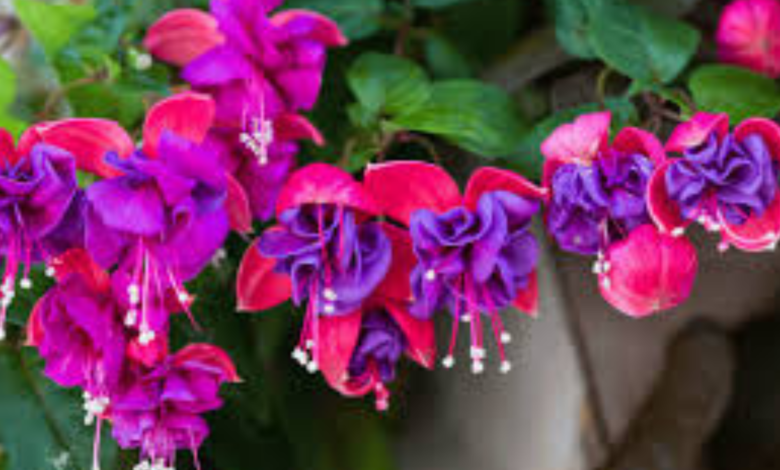
Fuchsia is a graceful and eye-catching flowering plant that has become a favourite in gardens across the United Kingdom. Known for its distinctive drooping flowers and vibrant colour combinations, fuchsia adds elegance and charm to outdoor spaces. Whether planted in hanging baskets, containers, or borders, it delivers a continuous display of colour throughout the warmer months.
Originating mainly from Central and South America, fuchsia has adapted well to the UK climate, particularly in sheltered and partially shaded areas. Its ability to thrive in various conditions makes it a versatile choice for gardeners of all levels. With proper care, fuchsia can produce abundant blooms and become a standout feature in any garden.
Understanding Fuchsia and Its Varieties
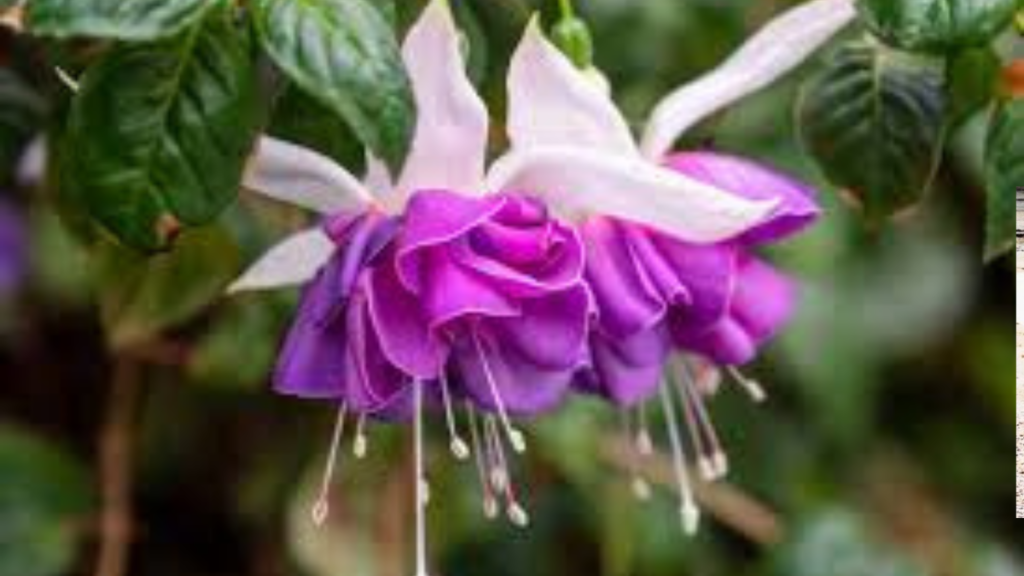
Fuchsia belongs to a diverse group of flowering shrubs that vary in size, shape, and growth habit. Some varieties grow as compact bushes, while others trail beautifully, making them ideal for hanging baskets. The plant is admired for its unique flowers, often displaying a mix of pink, purple, red, and white tones that create a striking visual effect.
One of the most popular types is Fuchsia magellanica, known for its hardiness and suitability for outdoor cultivation in the UK. Hardy fuchsia can survive colder temperatures, whereas tender varieties require protection during winter. Understanding these differences helps gardeners select the right type for their environment and achieve the best results.
Fuchsia Colour and Visual Appeal
The term fuchsia refers not only to the plant but also to a bold and vibrant colour that blends pink and purple hues. This striking shade is widely appreciated for its brightness and energy, making it a popular choice in both gardening and design. The vivid tones of fuchsia flowers naturally draw attention and enhance the overall appearance of any planting arrangement.
In the garden, the variation in fuchsia colour allows for creative combinations with other plants. From soft pastel shades to deep magenta tones, these flowers add depth and contrast to green foliage. By incorporating fuchsia into garden designs, gardeners can create visually appealing spaces that feel lively and balanced throughout the growing season.
How to Grow Fuchsia Plants in the UK
Growing fuchsia successfully in the UK involves selecting the right location and providing suitable growing conditions. These plants prefer well-drained, fertile soil and thrive in areas that receive partial shade. Protection from strong winds is also important, as delicate flowers can be easily damaged by harsh weather.
Fuchsia can be grown in containers, hanging baskets, or directly in garden borders, depending on the chosen variety. Hardy types are ideal for outdoor planting, while tender varieties may need to be moved indoors during colder months. Consistent watering and regular feeding will encourage strong growth and ensure the plant produces a continuous display of blooms.
Essential Fuchsia Plant Care Tips
Caring for fuchsia involves maintaining a consistent routine that supports healthy growth and flowering. Regular watering is essential, as the plant prefers moist soil without becoming waterlogged. Feeding with a balanced fertiliser during the growing season will help promote lush foliage and vibrant flowers.
It is also important to monitor the plant for pests and diseases. Common issues such as aphids and whiteflies can be managed with early treatment and proper care. Removing faded blooms and ensuring good air circulation will further enhance plant health, allowing fuchsia to flourish and maintain its attractive appearance.
When to Prune Fuchsia for Best Results
Pruning plays a key role in maintaining the shape and health of fuchsia plants. For hardy varieties, pruning is usually carried out in early spring when new growth begins to appear. Removing old or damaged stems helps stimulate fresh growth and improves the plant’s overall structure.
Tender fuchsia plants benefit from light pruning before the growing season starts. This encourages bushier growth and better flowering performance. Care should be taken not to prune too heavily during colder months, as this can weaken the plant. Proper pruning techniques ensure that fuchsia remains strong, well-shaped, and productive.
Popular Fuchsia Varieties for UK Gardens
There are many fuchsia varieties available, each offering unique characteristics and visual appeal. Fuchsia magellanica remains a popular choice due to its resilience and ability to thrive in outdoor conditions. Its elegant flowers and dependable growth make it a favourite among UK gardeners.
Trailing varieties are ideal for hanging baskets, creating cascading displays of colourful blooms, while bushy types work well in borders and mixed plantings. By selecting a range of varieties, gardeners can enjoy a diverse and dynamic display of fuchsia throughout the growing season.
Common Problems and Solutions
Although fuchsia is relatively easy to grow, it can occasionally face problems such as yellowing leaves or reduced flowering. These issues are often caused by overwatering, poor drainage, or a lack of nutrients. Identifying and addressing these problems early can help restore plant health and prevent further damage.
Pests such as aphids and whiteflies may also affect fuchsia plants, particularly during warmer months. Regular inspection and proper maintenance are key to keeping these issues under control. By providing the right conditions and responding quickly to any signs of stress, gardeners can ensure their fuchsia plants remain healthy and vibrant.
Conclusion
Fuchsia is a versatile and attractive plant that brings colour and elegance to gardens throughout the UK. Its distinctive flowers and wide range of varieties make it a valuable addition to any outdoor space. Whether grown in containers, baskets, or borders, fuchsia offers a reliable source of beauty and interest.
With the right care, including proper watering, feeding, and pruning, fuchsia can thrive and produce stunning blooms for many months. By understanding the plant’s needs and choosing suitable varieties, gardeners can enjoy the charm and vibrancy of fuchsia year after year.
Frequently Asked Questions
What is the best location for fuchsia in the UK?
A partially shaded and sheltered spot with well-drained soil is ideal.
When should fuchsia be pruned?
Prune hardy varieties in early spring and tender types before new growth begins.
What is fuchsia colour?
It is a vivid mix of pink and purple tones.
Can fuchsia survive winter?
Hardy varieties can survive outdoors, while tender ones need protection.
How often should fuchsia be watered?
Water regularly to keep the soil moist but not waterlogged.
What is Fuchsia magellanica?
It is a hardy species commonly grown in UK gardens.
Why are my fuchsia leaves turning yellow?
This is often due to overwatering, poor drainage, or nutrient deficiency.
Also Read: Inverness Courier