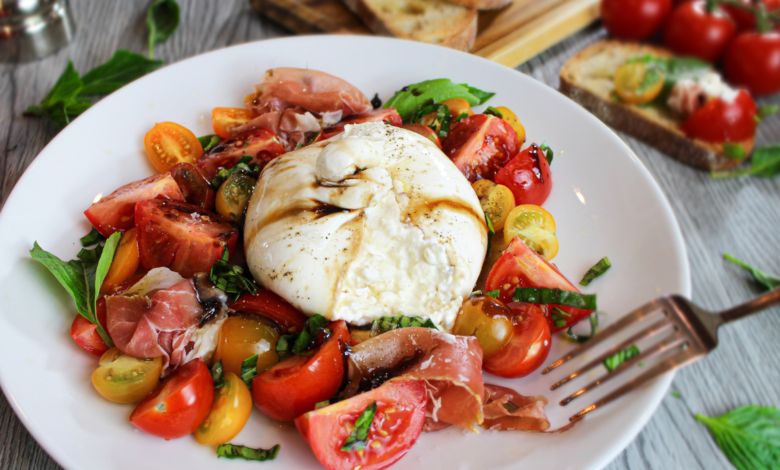
Burrata cheese is a rich and creamy Italian delicacy that has become increasingly popular across the UK food scene. Known for its soft outer shell and luxurious centre, it offers a unique eating experience that feels both indulgent and refined. Many people discover burrata in restaurants before learning how versatile it can be at home, especially in salads, pasta dishes, and gourmet-style appetisers.
The appeal of burrata cheese lies in its simplicity and elegance. It transforms everyday ingredients into restaurant-quality meals without requiring complex preparation. Whether served on warm bread, paired with tomatoes, or added to pasta, burrata elevates flavour instantly. Its creamy texture and mild taste make it suitable for both traditional Italian recipes and modern fusion cuisine enjoyed by food lovers in the UK.
What is burrata cheese
Burrata cheese is a fresh Italian cheese made from mozzarella and cream, wrapped in a delicate mozzarella shell. Inside, it contains a soft mixture of cream and shredded cheese known as stracciatella, creating a rich and flowing centre. When people ask what is burrata cheese, the answer often surprises them because it looks like mozzarella but behaves like a completely different, more luxurious product.
The structure of burrata cheese is what makes it so special and widely searched online. Unlike firm cheeses, burrata is designed to be cut open so the creamy filling spills out naturally. This creates a visually appealing and flavour-rich experience. Many food enthusiasts also search what is a burrata because the name can be confusing, but it simply refers to this indulgent fresh cheese creation from Italy.
Origin and history of burrata cheese
Burrata cheese originates from the Apulia region in southern Italy, where it was first created in the early 1920s. It was originally developed as a way to use leftover mozzarella scraps combined with fresh cream, turning simple farm ingredients into something more valuable and delicious. This practical invention quickly became a regional speciality and later a symbol of Italian culinary creativity.
Over time, burrata cheese evolved from a local farmhouse product into an internationally recognised gourmet ingredient. Its popularity spread across Europe and eventually to the UK, where it is now featured in restaurants, cafes, and artisan food shops. The history of burrata reflects the Italian tradition of transforming humble ingredients into extraordinary food experiences that celebrate freshness and craftsmanship.
What does burrata taste like
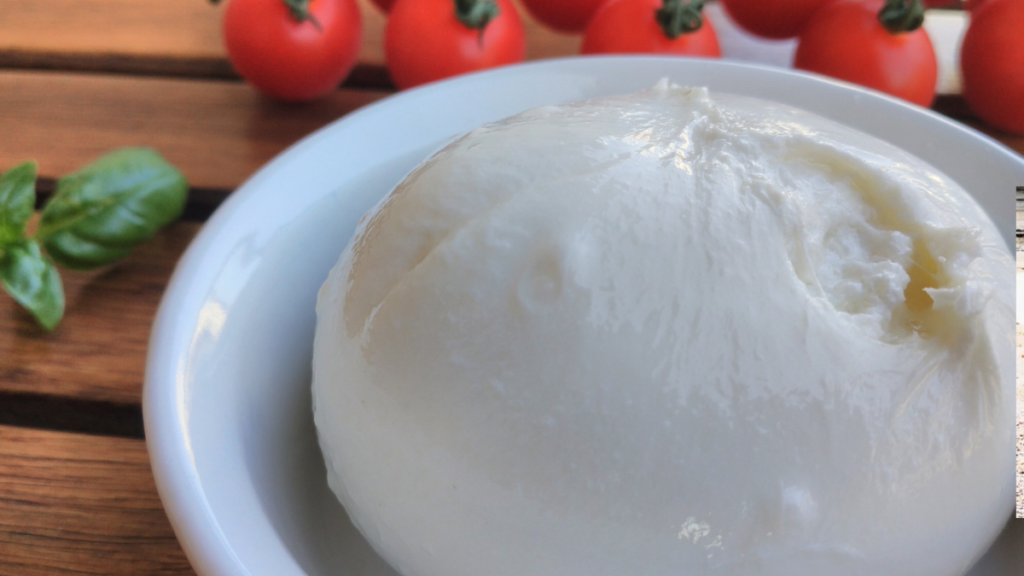
The taste of burrata cheese is best described as creamy, buttery, and delicately milky. The outer mozzarella shell offers a light chew, while the inner filling delivers a rich, soft, and almost melting texture. This contrast creates a luxurious mouthfeel that sets burrata apart from other fresh cheeses, making it highly desirable among food lovers and chefs.
Burrata cheese is often paired with simple ingredients that enhance its natural flavour without overpowering it. Fresh tomatoes, olive oil, basil, and crusty bread are common companions that highlight its creaminess. The flavour profile is mild yet indulgent, which is why burrata is frequently used in high-end dishes and modern European cuisine across the UK and beyond.
Burrata salad and fresh serving ideas
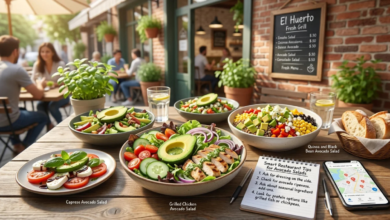
Burrata salad is one of the most popular ways to enjoy burrata cheese, especially during warmer months. It typically includes fresh tomatoes, rocket leaves, olive oil, balsamic glaze, and sometimes roasted vegetables. The creaminess of burrata balances beautifully with the acidity and freshness of the salad ingredients, creating a light yet satisfying dish that feels both healthy and indulgent.
There are many creative variations of burrata salad that have become popular in UK kitchens and restaurants. Some versions include fruits like peaches or figs, while others use beetroot or avocado for a richer flavour profile. Burrata salad is not only visually appealing but also versatile, making it a favourite choice for starters, lunch dishes, and elegant dinner presentations.
Burrata pizza and burrata pasta dishes
Burrata pizza has become a popular gourmet trend in both restaurants and home cooking. Unlike traditional cheese toppings that are baked, burrata is usually added after the pizza is removed from the oven. The heat gently softens the cheese, allowing the creamy centre to spread over the toppings and create a rich, luxurious finish.
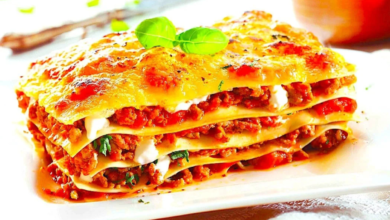
Burrata pasta dishes offer a similar indulgent experience, where the cheese is placed on top of freshly cooked pasta. As it melts into the sauce, it creates a creamy coating that enhances every bite. Whether used in tomato-based sauces, pesto dishes, or creamy recipes, burrata cheese adds depth, richness, and a restaurant-style quality to simple pasta meals.
Can you eat burrata when pregnant
Many people ask can you eat burrata when pregnant, and the answer depends on how the cheese is produced. If burrata cheese is made using pasteurised milk, it is generally considered safe to consume during pregnancy. However, unpasteurised versions may carry a risk, so it is important to always check the packaging or confirm with the supplier before eating.
Health professionals in the UK usually advise pregnant women to be cautious with soft cheeses unless they are clearly labelled as pasteurised. When in doubt, it is safer to avoid or choose verified options. Despite this caution, burrata can still be enjoyed safely during pregnancy when proper food safety guidelines are followed.
Conclusion
Burrata cheese stands out as one of the most luxurious and versatile fresh cheeses available today. Its creamy centre, delicate flavour, and Italian heritage make it a favourite ingredient in modern cooking. From simple salads to gourmet pasta and pizza dishes, burrata continues to inspire chefs and home cooks across the UK.
The growing popularity of burrata cheese reflects a wider appreciation for fresh, high-quality ingredients that deliver both taste and texture. Whether enjoyed in traditional recipes or creative new dishes, burrata remains a symbol of indulgence, simplicity, and culinary elegance that continues to delight food lovers everywhere.
Frequently Asked Questions
What is burrata cheese
Burrata is a fresh Italian cheese made from a mozzarella shell filled with cream and soft stracciatella.
What does burrata taste like
Burrata tastes rich, creamy, buttery, and very mild with a fresh dairy flavour.
What is the difference between burrata and mozzarella
Mozzarella is firm throughout, while burrata has a soft creamy centre inside.
Can you eat burrata when pregnant
Yes, if it is made from pasteurised milk and stored properly.
How do you eat burrata cheese
Burrata is best eaten fresh with tomatoes, olive oil, bread, or pasta.
Is burrata used on pizza
Yes, it is usually added after baking to keep its creamy texture intact.
What is burrata made from
It is made from mozzarella, cream, and shredded cheese called stracciatella.
Also Read: Susanna Reid