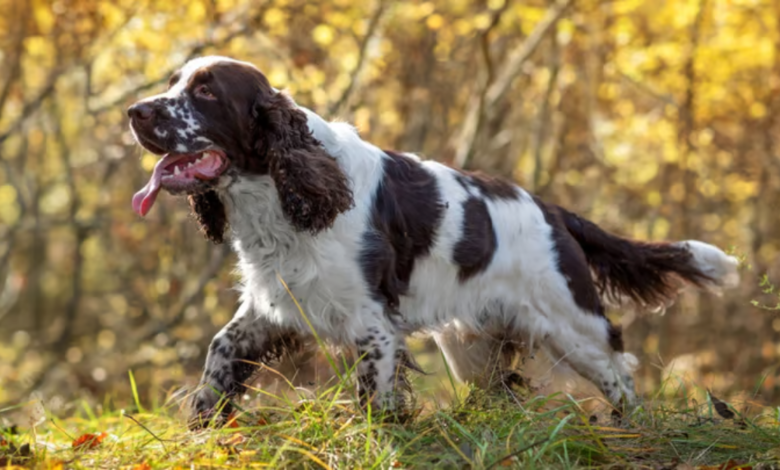
The springer spaniel is one of the most beloved dog breeds in the UK, admired for its cheerful personality and energetic nature. This medium-sized dog is known for forming strong bonds with its owners, making it a popular choice for families and active individuals. With its expressive eyes and constantly wagging tail, the breed brings warmth and enthusiasm into any home environment.
Beyond its charming appearance, the springer spaniel stands out for its intelligence and versatility. Originally bred for work, it has adapted well to modern living while maintaining its lively spirit. Whether living in the countryside or a suburban setting, this breed thrives when given attention, exercise, and a sense of purpose.
History and Origin of the Springer Spaniel
The history of the springer spaniel dates back several centuries in Britain, where it was developed as a skilled hunting companion. Its primary role was to flush game birds from dense vegetation, allowing hunters to capture them with ease. The breed’s name reflects this behaviour, as it would “spring” game into the air during hunts.
Over time, the springer spaniel evolved into different types, including working and show lines. Despite these variations, the breed has retained its core traits of stamina, intelligence, and loyalty. Today, it continues to be recognised not only for its working abilities but also for its role as a devoted companion animal.
Types of Springer Spaniels
The springer spaniel is commonly associated with two main types: the English and the Welsh varieties. The English version is more widespread and often seen in both fieldwork and dog shows. It typically has a slightly larger build and a variety of coat patterns, making it a familiar sight across the UK.
In contrast, the Welsh type is known for its distinctive red and white coat and slightly calmer temperament. While both share similar characteristics, choosing between them depends on personal preference and lifestyle. Regardless of the type, the springer spaniel remains an affectionate and energetic breed.
Springer Spaniel Temperament and Personality
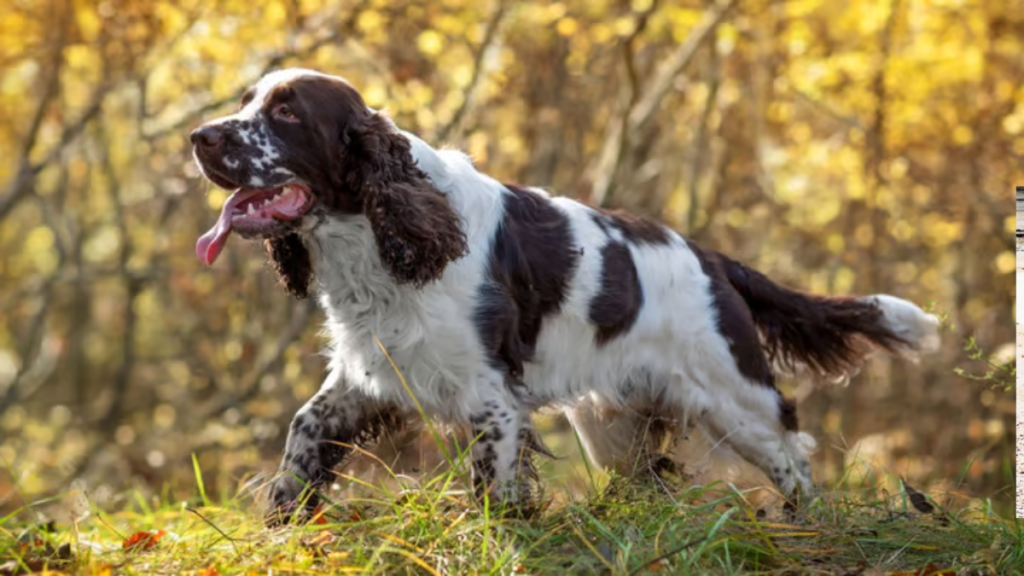
The springer spaniel is widely recognised for its friendly and outgoing personality. This breed thrives on companionship and enjoys being part of daily family life. It is especially good with children, displaying patience and playfulness that make it an excellent family pet. Social by nature, it usually gets along well with other animals too.
Another defining trait of the springer spaniel is its intelligence and eagerness to please. These qualities make it highly trainable and responsive to guidance. However, it also requires mental stimulation to prevent boredom. With the right balance of attention and activity, it becomes a loyal and well-behaved companion.
Training and Exercise Needs
Training a springer spaniel should begin at an early age to establish good habits and encourage positive behaviour. This breed responds best to consistent, reward-based training methods that reinforce good conduct. Clear communication and patience are key to developing a strong bond between dog and owner.
Exercise is a crucial aspect of caring for a springer spaniel, as it is naturally energetic and active. Daily walks, playtime, and engaging activities help keep the dog physically and mentally fit. Without sufficient exercise, the breed may become restless or develop unwanted behaviours, highlighting the importance of regular activity.
Grooming, Care, and Maintenance
The springer spaniel has a beautiful coat that requires regular maintenance to keep it in good condition. Brushing several times a week helps prevent tangles and reduces shedding, while also keeping the coat clean and healthy. Regular grooming sessions also provide an opportunity to check for any skin issues or parasites.
In addition to coat care, the springer spaniel requires attention to its ears, teeth, and nails. Its floppy ears can trap moisture, making regular cleaning essential to prevent infections. A balanced diet and routine veterinary check-ups further ensure that the dog remains healthy and well cared for throughout its life.
Health Issues and Lifespan
A healthy springer spaniel typically enjoys a lifespan of around twelve to fourteen years. With proper care, many dogs remain active and energetic well into their senior years. Regular exercise, a nutritious diet, and preventative healthcare all contribute to a longer and healthier life.
Like many breeds, the springer spaniel can be prone to certain health conditions, including ear infections and joint problems. Early detection and routine veterinary visits can help manage these issues effectively. Responsible ownership plays a vital role in maintaining the dog’s overall wellbeing.
Buying Guide for Springer Spaniel Puppies
When looking for springer spaniel puppies, it is important to choose a reputable breeder who prioritises health and ethical practices. Visiting the breeder and observing the puppy’s environment can provide valuable insight into its upbringing. Meeting the puppy’s parents can also help predict its future temperament.
Potential owners should carefully consider the long-term commitment involved in raising a springer spaniel. Costs related to food, grooming, and healthcare should be planned in advance. Making an informed decision ensures a positive experience and a strong bond with the new companion.
Where to Find Springer Spaniel Puppies
Finding springer spaniel puppies requires thorough research and patience to ensure a responsible purchase. Prospective owners can explore reputable breeders, rescue centres, and adoption organisations. Each option offers unique benefits, and careful consideration helps in choosing the best path.
Preparing your home before bringing a springer spaniel puppy is essential for a smooth transition. Creating a safe and welcoming environment helps the puppy settle quickly and comfortably. With the right preparation, the new addition can adapt easily and become part of the family.
Pros and Cons of Owning a Springer Spaniel
Owning a springer spaniel comes with many advantages, including its affectionate nature and strong loyalty. The breed’s playful personality and intelligence make it a joy to train and interact with daily. It is particularly well suited to active households that can meet its energy needs.
However, the springer spaniel also requires significant time and effort. Its high energy levels demand regular exercise, and its grooming needs should not be overlooked. Understanding these responsibilities ensures that owners are fully prepared for the commitment involved in caring for this breed.
Conclusion
The springer spaniel is a versatile and loving breed that continues to be a favourite among dog lovers in the UK. Its combination of intelligence, energy, and companionship makes it suitable for a wide range of lifestyles. With proper care and attention, it can thrive as both a working dog and a family pet.
Choosing a springer spaniel should involve careful research and consideration of its needs. By providing a supportive environment, consistent training, and regular exercise, owners can enjoy a rewarding and lasting relationship with this remarkable breed.
Frequently Asked Questions
Are springer spaniels good family dogs?
Yes, they are friendly, affectionate, and excellent with children.
What is the difference between English and Welsh springer spaniels?
They differ mainly in appearance, size, and slightly in temperament.
How much exercise does a springer spaniel need?
They usually need at least one to two hours of exercise daily.
Do springer spaniels shed a lot?
They shed moderately and require regular grooming to manage it.
Are springer spaniels easy to train?
Yes, they are intelligent and respond well to consistent training methods.
Also Read: brassic cast