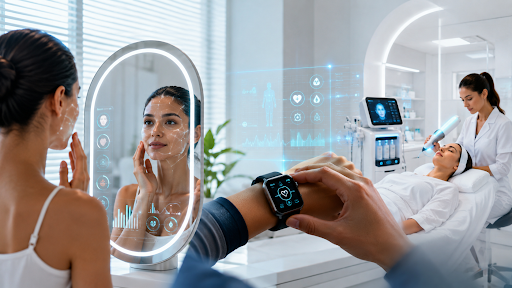
Walk into almost any pharmacy, dermatology clinic, or beauty counter today, and you’ll notice something different from a decade ago. Screens have replaced testers. Apps have replaced guesswork. And behind the scenes, entire product lines are being built around data rather than intuition alone. This shift is exactly what people mean when they talk about how technology is transforming the health and beauty industry, and the changes go far deeper than flashy gadgets or Instagram filters.
From personalized skin care formulas to wearable devices that track your sleep and heart rate, technology has quietly rewired how we think about looking good and feeling well. It’s no longer just about products sitting on a shelf. It’s about data, precision, and experiences tailored to the individual standing in front of the mirror.
This article breaks down exactly how that transformation is happening, what it means for everyday consumers, the challenges that come with it, and where things are likely headed next.
Why This Shift Matters Right Now
Health and beauty used to be fairly one-size-fits-all industries. A shampoo brand made one formula and sold it to millions of people, regardless of hair type, climate, or scalp condition. The same went for skincare, supplements, and even fitness routines.
That approach is fading fast. Consumers now expect products and services that respond to their specific bodies, habits, and goals. Technology is the bridge that makes this kind of personalization possible at scale, without requiring a small army of specialists for every customer.
Understanding how technology is transforming the health and beauty industry helps explain why brands that once relied purely on marketing are now investing heavily in software, diagnostics, and data science instead.
Personalized Skincare and Beauty Solutions
AI-Driven Skin Analysis
One of the clearest examples of this shift is skin analysis tools. Many beauty brands and dermatology apps now let users snap a photo of their face and receive a breakdown of hydration levels, pore size, fine lines, and pigmentation.
Instead of guessing which serum might work, people get a starting point based on their actual skin condition. Some retailers have even installed in-store scanning kiosks that generate a custom product recommendation on the spot.
Practical tip: If you try one of these tools, use it in consistent lighting and take a follow-up scan every few weeks. A single scan gives a snapshot, but tracking changes over time is where the real value shows up.
Custom-Formulated Products
Beyond analysis, some companies now manufacture skincare and haircare products in small batches, mixed according to an individual’s specific needs. A customer might answer a short questionnaire about their skin type, environment, and concerns, and receive a formula blended just for them.
This is a meaningful departure from mass production, and it’s only possible because manufacturing technology has become flexible enough to handle small, customized runs efficiently.
Wearable Devices and Health Tracking
Everyday Wellness Monitoring
Smartwatches and fitness bands were once mainly step counters. Now they track heart rate variability, sleep cycles, blood oxygen levels, and even skin temperature. People use this data to catch early warning signs, adjust workouts, or simply understand their bodies better.
For the beauty side of things, some wearables now monitor UV exposure and remind users to reapply sunscreen, connecting skin health directly to daily habits rather than occasional dermatologist visits.
Connecting Data to Daily Decisions
The real value of wearables isn’t the raw numbers. It’s what people do with them. Someone who notices poor sleep quality might adjust their skincare routine, since sleep deprivation is closely linked to skin dullness and slower healing.
Actionable tip: Rather than obsessing over every data point, pick one or two metrics that matter most to you, like sleep consistency or activity levels, and review them weekly instead of daily. This avoids data fatigue while still keeping you informed.
Telehealth and Virtual Consultations
Dermatology and Medical Access From Home
Booking a same-week appointment with a dermatologist used to be nearly impossible in many areas. Virtual consultations have changed that. Patients can now send photos or hop on a video call to get guidance on acne, rashes, or ongoing skin conditions without leaving home.
This has been especially useful for people in rural areas or those with mobility limitations, who previously had far fewer options for specialist care.
Virtual Fitness and Wellness Coaching
The same trend applies to fitness and nutrition. Online coaching platforms now pair users with trainers and dietitians who adjust plans remotely based on tracked progress. This makes professional guidance accessible to people who couldn’t previously afford in-person sessions.
Smart Beauty Devices and At-Home Tools
Handheld devices for skin tightening, LED therapy, and hair removal have moved from professional clinics into home bathrooms. Many now sync with mobile apps that track usage, remind users when to repeat treatments, and adjust intensity settings based on skin feedback.
This puts a version of spa-level treatment within reach for people who can’t regularly afford professional sessions, though it’s worth noting these devices generally offer milder results than clinical equipment.
Practical tip: Always follow the manufacturer’s usage schedule closely. More frequent use of devices like LED masks or microcurrent tools doesn’t necessarily speed up results and can sometimes irritate skin instead.
Augmented Reality and Virtual Try-Ons
Trying on dozens of lipstick shades or hair colors used to mean physically testing each one. Augmented reality changed that by letting shoppers see how a product looks on their own face through a camera, before ever opening the packaging.
This has reduced returns for online beauty retailers and made shopping faster for customers who know exactly what they want without guesswork. Some furniture and eyewear brands have adopted similar tools, showing that this kind of virtual try-on technology is spreading well beyond cosmetics alone.
Benefits of Technology in Health and Beauty
- Greater personalization: Products and routines are increasingly built around individual data rather than broad assumptions.
- Improved access: Telehealth and virtual coaching reach people who previously had limited options.
- Time savings: Diagnostic tools and virtual try-ons speed up decisions that once took hours of trial and error.
- Preventive insight: Wearables and tracking apps help people catch small issues before they become bigger problems.
- Data-backed formulations: Brands can refine products faster using real usage data instead of relying solely on market testing.
Challenges That Come With the Change
Privacy and Data Concerns
Every skin scan, wearable reading, and telehealth session generates personal data. Not all companies handle this information with the same care, and consumers often don’t read the fine print closely enough to know how their data is stored or shared.
Tip: Before using a new health or beauty app, take a moment to check its privacy policy for how long data is retained and whether it’s shared with third parties.
Accuracy and Over-Reliance on Technology
Skin scanners and fitness trackers are helpful, but they aren’t infallible. Lighting conditions, camera quality, and even skin tone can affect how accurately an AI tool reads a face. Relying entirely on an app’s recommendation without professional input can sometimes lead people astray, especially for medical-adjacent concerns.
Cost and Accessibility Gaps
While technology has made some services more accessible, premium devices and personalized formulas often come with a higher price tag. This risks creating a divide where the most advanced tools remain out of reach for lower-income consumers, even as basic access improves elsewhere.
The Human Touch Still Matters
Not every part of health and beauty translates well to a screen. Many people still value the reassurance of an in-person consultation or the experience of a spa visit, and no amount of technology fully replicates that connection.
What’s Coming Next
Smarter, More Predictive Tools
Future skin and health tracking tools are likely to move from reactive to predictive, flagging potential issues based on subtle pattern changes before symptoms become noticeable. This shift toward preventive care could reshape how people approach both dermatology and general wellness.
Deeper Integration Between Devices
Right now, a lot of health and beauty tech operates in silos, one app for skin, another for sleep, another for fitness. Expect more integration where these systems talk to each other, giving a fuller picture of how different habits connect to skin and overall health.
Sustainable and Lab-Grown Ingredients
Biotechnology is beginning to influence beauty formulations too, with lab-cultivated ingredients offering alternatives to resource-intensive farming or animal-derived materials. This could reshape sourcing practices across the industry over the coming years.
More Accessible Virtual Care
As telehealth infrastructure matures, expect broader insurance coverage and lower costs for virtual dermatology and wellness consultations, narrowing the access gap that currently exists in many regions.
Final Thoughts
The way people care for their skin, bodies, and overall wellness has changed dramatically, and it’s still evolving. Looking at how technology is transforming the health and beauty industry makes it clear this isn’t a passing trend. It’s a fundamental shift toward personalization, accessibility, and prevention.
That said, technology works best as a tool, not a replacement for professional advice or basic common sense. The brands and consumers who get the most out of this shift are the ones who use these tools thoughtfully, staying curious about the data without losing sight of what actually makes them feel and look their best.