Introduction
Every year, one of the most spectacular wildlife events on Earth unfolds on a small island in the Indian Ocean. Millions of Christmas Island crabs leave the forests and begin an extraordinary journey toward the sea. Their migration transforms roads, beaches, and landscapes into a moving carpet of bright red crabs, attracting scientists, photographers, and nature enthusiasts from around the world.
While the event may seem unbelievable at first glance, it is a natural phenomenon that has been taking place for thousands of years. The migration is driven by seasonal rainfall and the crabs’ reproductive cycle, making it one of the most fascinating examples of animal behavior. Watching millions of crabs move together with remarkable determination offers a glimpse into the complexity of nature.
In this article, we’ll explore everything you need to know about Christmas Island crabs, including their habitat, life cycle, migration, ecological importance, conservation efforts, and why they continue to captivate people across the globe.
What Are Christmas Island Crabs?
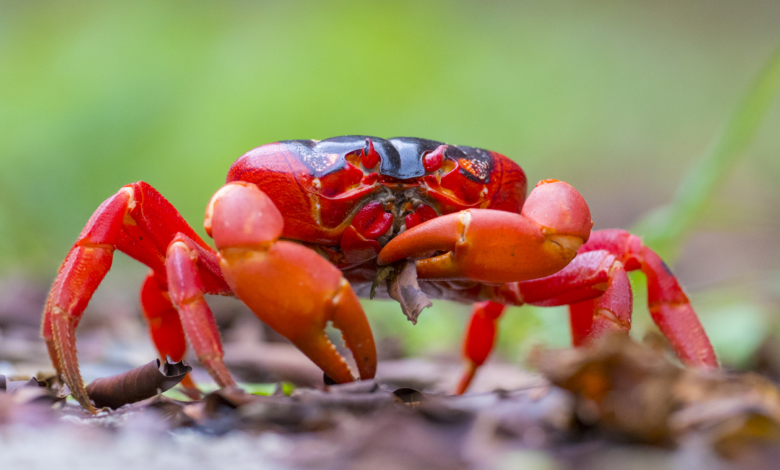
Christmas Island crabs are primarily known as the famous red crabs that inhabit Christmas Island, an Australian territory located in the Indian Ocean. Their scientific name is Gecarcoidea natalis, and they are recognized for their vibrant red shells, although some individuals can display shades of orange or even purple.
Adult crabs typically measure around four to five inches across and spend most of their lives in the island’s rainforest. Unlike many crab species that remain close to water, these crabs are largely terrestrial. They live in underground burrows that help protect them from heat and dehydration during the dry season.
One of the most interesting characteristics of Christmas Island crabs is their strong connection to both land and sea. Although they spend nearly all of their lives on land, they must return to the ocean each year to reproduce. This unique lifestyle is what makes their annual migration so extraordinary.
The Famous Annual Migration
The annual migration of Christmas Island crabs is considered one of the world’s greatest natural events. It usually begins shortly after the first significant rainfall of the wet season, typically between October and November. Rain softens the forest floor and provides the moisture necessary for the crabs to safely travel long distances.
Millions of crabs emerge from their burrows almost simultaneously and begin marching toward the coastline. They navigate forests, roads, cliffs, and urban areas with remarkable accuracy. The journey can last several days depending on how far individual crabs live from the sea.
Once they reach the coast, the males arrive first and compete for burrows near the shoreline. After the females arrive, mating occurs inside these burrows. The males then return to the forest, while females remain behind for several weeks until it is time to release their eggs into the ocean.
The Fascinating Reproductive Cycle
The breeding process of Christmas Island crabs is closely linked to the lunar cycle. Female crabs carry thousands of fertilized eggs beneath their abdomen while waiting for the ideal moment to release them into the sea. Timing is essential because tidal conditions significantly influence the survival of the larvae.
When the correct phase of the moon arrives, females gather along the shoreline and release millions of eggs into the ocean almost simultaneously. The eggs hatch immediately, releasing tiny larvae that drift with ocean currents for several weeks before developing into juvenile crabs.
After completing several stages of development in the ocean, the young crabs return to Christmas Island as tiny land crabs. This incredible return journey is another remarkable natural event, with millions of baby crabs climbing out of the sea and making their way into the rainforest to begin their terrestrial lives.
Why Christmas Island Crabs Are So Important
Christmas Island crabs play a crucial ecological role in maintaining the island’s rainforest ecosystem. As scavengers, they consume fallen leaves, fruits, flowers, seeds, and dead organic material. This continuous cleanup process helps recycle nutrients and keeps the forest floor healthy.
Their feeding habits also influence the types of plants that grow throughout the island. By consuming seedlings and leaf litter, the crabs help shape the structure of the rainforest. Scientists consider them a keystone species because many ecological processes depend on their presence.
In addition to supporting plant life, Christmas Island crabs contribute to soil health through their burrowing activities. Their tunnels improve soil aeration, increase water infiltration, and create habitats for smaller organisms. Without these crabs, the island’s ecosystem would look dramatically different.
Challenges and Threats Facing the Population
Although millions of Christmas Island crabs still exist, they face several environmental challenges. One of the biggest threats is the invasive yellow crazy ant. These ants attack the crabs by spraying formic acid, which can blind and eventually kill them. Large outbreaks have caused significant declines in crab populations in certain areas.
Human infrastructure also presents challenges during migration. Roads can become dangerous obstacles when millions of crabs attempt to cross at the same time. Without protective measures, large numbers of crabs could be injured or killed by vehicles.
Climate change introduces another layer of uncertainty. Since migration depends heavily on seasonal rainfall, shifts in weather patterns could affect breeding success. Changes in rainfall timing or intensity may disrupt the crabs’ carefully synchronized reproductive cycle.
Conservation Efforts That Make a Difference
Fortunately, extensive conservation programs have helped protect Christmas Island crabs and their remarkable migration. Park authorities temporarily close many roads during migration season, allowing the crabs to travel safely between the rainforest and the coastline.
Specially designed crab bridges and underground tunnels have also been constructed across major roads. These structures allow millions of crabs to cross without coming into contact with traffic, significantly reducing mortality during migration.
Scientists continue monitoring crab populations, invasive species, and environmental conditions throughout the year. Ongoing research helps conservation managers develop better strategies for protecting both the crabs and the fragile ecosystem they support. Public education campaigns also encourage visitors to respect migration routes and avoid disturbing the animals.
Visiting Christmas Island During Crab Migration
For wildlife enthusiasts, witnessing the Christmas Island crab migration is an unforgettable experience. Visitors often describe the event as surreal because virtually every visible surface seems covered with moving red crabs. Forest trails, roads, beaches, and even gardens become part of this massive natural spectacle.
The exact migration dates vary each year because rainfall determines when the crabs begin moving. Travelers planning a visit should monitor seasonal forecasts and local announcements before booking their trips. Flexibility is often essential for experiencing the migration at its peak.
Tourists are encouraged to follow designated viewing areas and obey temporary road closures. Respecting wildlife guidelines ensures both visitor safety and the continued success of conservation efforts. Responsible tourism plays an important role in protecting this globally significant natural event.
Interesting Facts About Christmas Island Crabs
One remarkable fact about Christmas Island crabs is their sheer abundance. Scientists estimate that tens of millions of red crabs inhabit the island, making them one of the most dominant animal species in the ecosystem.
Despite their bright coloration, not every crab is red. Some individuals naturally appear orange, while others display deep purple coloring due to genetic variation. These unusual colors make them particularly interesting for researchers and photographers.
Another fascinating detail is their impressive sense of direction. Even after navigating forests filled with obstacles, the crabs consistently find their way to the ocean each breeding season. Researchers continue studying the environmental cues they use, including landscape features, humidity, and possibly magnetic orientation.
Conclusion
Christmas Island crabs represent one of nature’s most extraordinary success stories. Their annual migration demonstrates the remarkable precision of animal instincts and highlights the delicate balance between wildlife and the environment. Millions of crabs moving together across an entire island create a breathtaking event that few natural spectacles can rival.
Beyond their visual appeal, these crabs are essential to the health of Christmas Island’s rainforest. Their role in nutrient recycling, soil maintenance, and ecosystem balance makes them one of the island’s most valuable species. Protecting them means preserving an entire ecological community that has evolved over thousands of years.
As conservation efforts continue and public awareness grows, the future of Christmas Island crabs looks increasingly hopeful. Their incredible migration serves as a powerful reminder that even small islands can host some of the planet’s most remarkable natural wonders, inspiring future generations to appreciate and protect the wildlife that makes our world so unique.