Rodney Keith Jones: The Life Story, Family Background, and Legacy of Leslie Jones’ Brother

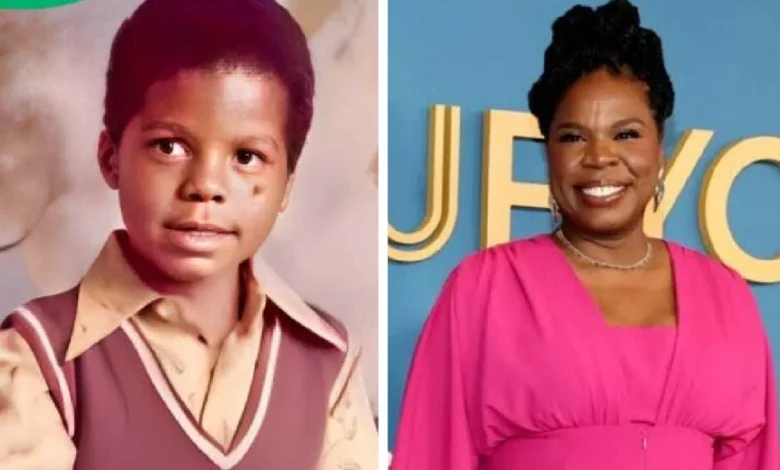
Introduction
Rodney Keith Jones is a name that has attracted attention from people interested in the personal life and family background of American comedian and actress Leslie Jones. Although Rodney was not a celebrity himself, his life story has become a subject of public curiosity because of his relationship with his famous sister and the personal challenges their family experienced.
Unlike Leslie Jones, who built a successful career in comedy, television, and film, Rodney lived largely outside the public spotlight. His story is often discussed in connection with family relationships, personal struggles, grief, and the lasting influence of loved ones. Learning about Rodney Keith Jones provides a glimpse into the private side of a family that later became familiar to audiences through Leslie’s entertainment career.
However, understanding his life requires more than simply identifying him as a celebrity’s brother. Rodney was an individual with his own experiences, relationships, and challenges. Although reliable public information about many aspects of his life remains limited, the available accounts help explain why his memory continues to interest readers.
Who Was Rodney Keith Jones?
Rodney Keith Jones is best known as the younger brother of Leslie Jones, the American comedian and actress who gained widespread recognition through stand-up comedy and her work on Saturday Night Live. Leslie’s energetic performances and distinctive comedic style helped establish her as a recognizable figure in American entertainment.
Rodney, by contrast, maintained a relatively private life. He did not become widely known for a career in television, film, or comedy. Instead, public interest in his biography developed primarily through accounts of Leslie’s family history and her reflections on personal loss.
Rodney’s story became more widely discussed as audiences learned about the experiences that shaped Leslie’s life beyond the stage. Family memories can reveal a different side of a public figure, showing that celebrities experience many of the same emotional difficulties as other people.
It is important to recognize that Rodney’s identity should not be reduced to his sister’s fame. Although their relationship explains much of the public interest in his name, his life also deserves to be considered with dignity and respect.
Early Life and Family Background
Public biographies generally identify Rodney Keith Jones as having been born in Memphis, Tennessee, in 1971. He grew up in a family that included his older sister, Leslie Jones, and their parents, Willie Jones Jr. and Sundra Diane Jones.
His father served in the United States Army before pursuing civilian employment. Because of his father’s work, the family experienced changes in their living arrangements during Rodney’s childhood. Moving between communities can be a significant experience for children, especially when it involves adjusting to unfamiliar schools, neighborhoods, and social environments.
The Jones family eventually relocated to California. Accounts of Leslie’s early life describe how the move influenced the family’s circumstances and introduced the children to a different environment. Their father later worked as an electronics engineer at KJLH, a Los Angeles radio station associated with musician Stevie Wonder.
Although detailed records of Rodney’s education and childhood activities are not widely available, his family background provides useful context for understanding his early years. Like many children, he grew up within a household shaped by parental expectations, changing circumstances, and the relationships between family members.
It would be misleading to assume that every detail of his personality or childhood can be reconstructed from these limited accounts. Nevertheless, his early family environment remains an important part of the story associated with his name.
Rodney Keith Jones and His Sister Leslie Jones
One of the most important aspects of Rodney Keith Jones’ biography is his relationship with Leslie Jones. Leslie became a successful comedian through years of performing, developing her stage presence, and pursuing opportunities in entertainment. Her professional achievements eventually brought greater attention to her personal history.
Before Leslie became widely recognized, however, she was simply an older sister growing up alongside Rodney. Their shared family experiences connected them long before television audiences knew Leslie’s name.
Sibling relationships can change as people grow older. Childhood closeness may be affected by education, employment, relationships, and personal difficulties. Even when siblings follow different paths, their shared memories can remain an important part of their identities.
Leslie has publicly expressed affection and grief for her brother. In February 2015, she shared a remembrance of Rodney on social media, expressing how much she missed him. Her words demonstrated that his absence continued to affect her years after his death.
For people who follow Leslie’s career, learning about Rodney offers a more personal understanding of the comedian. It shows that her life includes private experiences and emotional relationships beyond the performances that audiences see.
At the same time, the details of their relationship should not be exaggerated. Public information provides a glimpse of their family connection, but it cannot fully describe every conversation, disagreement, memory, or moment of affection they shared.
His Parents and Family Relationships
Rodney’s parents, Willie Jones Jr. and Sundra Diane Jones, played important roles in the family’s history. His father’s military background and later technical employment formed part of the circumstances that influenced the household.
Military families sometimes experience frequent relocations, which can affect children’s friendships and their sense of stability. Although the exact effects of each move on Rodney are not fully documented, the family’s changing circumstances provide context for his childhood.
His parents’ lives also became part of Leslie’s broader personal story. Family losses can have a profound effect on surviving relatives, particularly when several losses occur within a relatively short period.
Public accounts indicate that both parents died before Rodney. These experiences formed part of the family’s difficult history and preceded another major loss when Rodney passed away in 2009.
It is worth remembering that family biographies often focus on the most dramatic events because those details attract public attention. Yet a family’s history also includes ordinary experiences, shared responsibilities, celebrations, and moments of support that may never appear in published accounts.
Rodney’s family background should therefore be understood as more than a collection of dates and hardships. It represents the personal environment in which he lived and the relationships that connected him to the people closest to him.
Personal Challenges and Difficult Periods
Some accounts of Rodney Keith Jones’ life describe significant personal difficulties during his later years. Discussions of his story have included references to substance-related problems and periods of instability.
These subjects require care because the available public information does not provide a complete account of his private circumstances. It is neither appropriate nor reliable to turn limited reports into definitive conclusions about his personality, decisions, or the causes of every difficulty he experienced.
Personal struggles can develop through a complicated combination of circumstances. Social environments, emotional distress, access to support, and individual experiences can all influence a person’s life. No single explanation necessarily captures the full reality of another person’s situation.
Rodney’s story also highlights an important distinction between describing a person’s difficulties and defining that person entirely through them. A person who experiences hardship is still more than the challenges they face.
When reading about Rodney, it is helpful to approach these subjects with empathy rather than judgment. His private life was not documented in the same detail as the life of a public entertainer, and the absence of information should not be filled with speculation.
His experiences may encourage readers to reflect on the importance of family support, understanding, and access to appropriate help when someone faces serious personal difficulties.
What Happened to Rodney Keith Jones?
Rodney Keith Jones died in November 2009. Public biographies commonly place his death on November 5, 2009, although some online accounts contain conflicting details about his birth date and age.
His death occurred years before Leslie’s memoir and later reflections brought renewed attention to their family story. For Leslie, losing her younger brother was a deeply personal event rather than simply another detail in her biography.
Some secondary reports discuss possible substance-related circumstances surrounding Rodney’s final days. However, without a reliable official record establishing the precise medical cause, it is best not to present a specific cause of death as confirmed fact.
This distinction matters because information repeated across online biographies is not always independently verified. Several websites may repeat the same claim without providing original documentation. Responsible writing separates established facts from details that remain uncertain.
What can be said with confidence is that Rodney died in 2009 and that his loss remained meaningful to his sister. The public response to Leslie’s recollections demonstrates how stories about personal grief can help audiences better understand the human experiences behind a familiar public personality.
His death also reminds readers that a person’s life cannot be understood solely through its final chapter. The years before a loss contain relationships, memories, experiences, and individual qualities that deserve recognition as well.
How His Death Affected Leslie Jones
Leslie Jones has spoken publicly about her family experiences and the emotional challenges she faced. Her career required her to perform before audiences, participate in television productions, and maintain a public presence. Yet professional success does not remove the pain associated with losing someone close.
Grief can affect people in different ways. Some individuals talk openly about their feelings, while others find comfort in private reflection, creative work, or memories of the person they lost.
For Leslie, remembering Rodney has been one way of acknowledging their connection. Her public expressions of remembrance show that family relationships remain important even when years have passed.
The loss of a sibling can be particularly complicated because siblings often share childhood experiences that other relatives and friends may not fully understand. They may remember the same homes, family routines, personal milestones, and difficult periods from different perspectives.
Although outsiders cannot know exactly how Leslie processed every aspect of her grief, her public comments indicate that Rodney continued to occupy an important place in her memories.
His story therefore provides a more personal dimension to Leslie’s public image. It reminds audiences that entertainers have emotional lives that extend beyond their professional achievements and that grief can remain significant long after a loss.
Rodney Keith Jones’ Legacy
The legacy of Rodney Keith Jones is closely connected to family remembrance and the interest generated by Leslie Jones’ personal story. He did not establish a widely documented public career, so his legacy is not primarily associated with professional awards, television appearances, or entertainment achievements.
Instead, people encounter his name through accounts of family relationships and the experiences that shaped his sister’s life. These accounts have encouraged readers to look beyond the familiar image of a successful comedian and consider the private events that influence a person’s journey.
Rodney’s story also raises broader questions about how people are remembered. Public figures often receive extensive biographies, while their relatives may remain largely unknown. When those relatives become subjects of public interest, it is important to preserve their dignity rather than treating their lives as entertainment.
A respectful understanding of Rodney acknowledges both the information available about his life and the limits of what can responsibly be said. His personal challenges do not erase his place within his family, and his death does not represent the entirety of his existence.
His memory also offers an opportunity to consider the importance of compassion toward people experiencing difficult circumstances. Families often deal with private struggles that outsiders cannot fully see, and their experiences may be more complex than public summaries suggest.
Ultimately, Rodney’s legacy is personal. It lives through the memories of those who knew him and through the continued significance of his relationship with his sister.
Why Are People Still Interested in Rodney Keith Jones?
There are several reasons why people continue searching for information about Rodney Keith Jones. The first is his connection to Leslie Jones, whose work in comedy and acting has introduced her to audiences around the world.
People interested in a public figure often want to understand the family background that helped shape that person’s life. They may search for information about parents, siblings, childhood experiences, and significant personal events.
Another reason is the emotional nature of Rodney’s story. Accounts involving family relationships and bereavement can resonate with readers because they reflect experiences that many people encounter in their own lives.
There is also a broader interest in the lives of people who remain outside the spotlight. Celebrity culture often emphasizes public achievements, but family histories reveal a more complicated picture of human experience.
However, online curiosity should be balanced with respect for privacy. Not every personal detail needs to become public knowledge, and uncertain claims should not be repeated as established facts merely because they appear on multiple websites.
The most useful approach is to focus on well-supported information, acknowledge uncertainty, and recognize the human being behind the name.
Frequently Asked Questions About Rodney Keith Jones
Who was Rodney Keith Jones?
Rodney Keith Jones was the younger brother of American comedian and actress Leslie Jones. He lived largely outside the public spotlight and became better known through accounts of his family’s history.
Who were Rodney Keith Jones’ parents?
His parents were Willie Jones Jr. and Sundra Diane Jones. His father’s military service and later civilian employment influenced the family’s circumstances during Rodney’s childhood.
Was Rodney Keith Jones a celebrity?
No. Rodney was not widely known as an entertainer or public personality. Most public interest in his life comes from his relationship with Leslie Jones.
When did Rodney Keith Jones die?
Public biographies commonly report that Rodney died on November 5, 2009. Some online accounts differ on details about his age, so conflicting information should be treated cautiously.
What was Rodney Keith Jones’ cause of death?
Some secondary accounts mention possible substance-related circumstances, but a specific medical cause should not be presented as confirmed without reliable official documentation.
Why is Rodney Keith Jones remembered today?
He is remembered primarily through his relationship with Leslie Jones and the family’s public reflections on their experiences. His story has also encouraged discussion about grief, family bonds, and compassion toward people facing personal difficulties.
Conclusion
Rodney Keith Jones remains a subject of interest because his life was closely connected to that of his sister, Leslie Jones. Although he did not share her public career, his place in her family history has helped audiences understand the personal experiences behind her success.
His story includes a childhood shaped by family circumstances, a meaningful sibling relationship, reported personal challenges, and a death that brought lasting grief to his loved ones. At the same time, limited public documentation means that some details of his biography remain uncertain and should be treated responsibly.
The most respectful way to remember Rodney is to recognize that he was more than the relative of a famous entertainer. He was a person whose life mattered to his family and whose memory continues to hold meaning for those who knew him.
Ultimately, Rodney Keith Jones’ story is a reminder that every life contains experiences that cannot be fully captured by public attention. Family connections, personal struggles, and the memories people leave behind often carry a significance that extends far beyond fame.