Poole Harbour Festival 2026: Lineup, Tickets, Dates, Location & Complete Visitor Guide


The Poole Harbour Festival has become one of Dorset’s most anticipated summer events, attracting thousands of visitors from across the UK. Set against the stunning backdrop of Poole Harbour, this festival offers a lively combination of live music, family-friendly entertainment, and an array of delicious food and drink. Attendees can enjoy performances across multiple stages, ensuring there is something for everyone, whether they are music lovers, food enthusiasts, or families seeking a fun day out.
Over the years, the Poole Harbour Festival has grown in scale and reputation, becoming a highlight of the UK festival calendar. With its unique mix of scenic coastal views, diverse music line-ups, and immersive festival activities, it provides a memorable experience for all ages. Families, friends, and music fans return year after year, eager to enjoy the lively atmosphere and expertly curated performances in a safe and welcoming environment.
History and Growth of the Poole Harbour Festival
The Poole Harbour Festival began as a small local gathering and has evolved into a three-day summer extravaganza. Each year, the festival expands its line-up and attractions, cementing its position as a major event in Dorset. It combines live music, family activities, and local culture, creating an inclusive celebration that appeals to a wide audience. The festival has successfully blended entertainment with community engagement, making it a staple of Poole’s cultural scene.
Past editions, including Poole Harbour Festival 2024 and 2025, have demonstrated the event’s commitment to delivering high-quality entertainment. From emerging local bands to internationally recognised artists, the festival continues to attract a diverse range of performers. Its growth over the years reflects both its popularity and the organisers’ dedication to providing an unforgettable experience, making it a must-attend event for residents and tourists alike.
Poole Harbour Festival 2026 Dates, Location and Event Overview
The Poole Harbour Festival 2026 will take place from 31 July to 2 August at Baiter Park, a picturesque location overlooking Poole Harbour. This scenic setting provides the perfect backdrop for a summer music festival, offering ample space for stages, food markets, and family activities. Visitors can expect three days filled with music, entertainment, and fun, all in a coastal environment that enhances the overall festival experience.
With six stages hosting over sixty acts, the festival guarantees non-stop entertainment for attendees. Alongside live music, there are family-friendly zones, artisan markets, and a variety of food and drink options to cater to every taste. The combination of scenic views, multiple performance areas, and engaging attractions makes the Poole Harbour Festival 2026 a fully immersive event that is ideal for music fans and families alike.
Poole Harbour Festival 2026 Line-Up and Performers
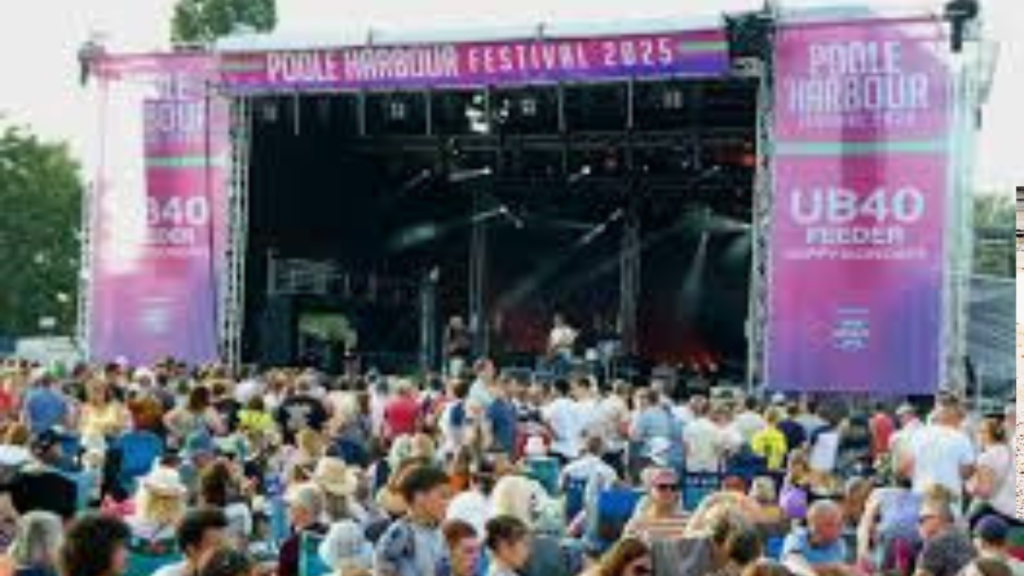
The Poole Harbour Festival 2026 line-up promises an exciting mix of UK and international performers. Attendees can enjoy live bands, DJ sets, and solo acts across all stages, ensuring there is a wide variety of music genres to suit every taste. From pop and indie to electronic and dance music, the festival offers a diverse experience that appeals to both young and older audiences, creating a vibrant atmosphere throughout the weekend.
The festival has gained a reputation for attracting top-quality acts, making it one of the most sought-after summer events. In addition to headline performers, the event also features emerging artists, giving festival-goers a chance to discover new music. The Poole Harbour Festival 2026 line-up is carefully curated to ensure an engaging experience that keeps visitors entertained from the opening act to the final performance.
Looking Back at the Poole Harbour Festival 2025 Line-Up
The Poole Harbour Festival 2025 showcased a wide range of performances that delighted attendees across all three days. Headline acts drew large crowds, while smaller stages offered intimate performances that allowed visitors to experience different music genres. From family-friendly shows to high-energy DJ sets, the 2025 festival highlighted the event’s commitment to diversity and entertainment for all.
Audience feedback from the Poole Harbour Festival 2025 was overwhelmingly positive, with many praising the festival’s organisation, food selection, and performance variety. Comparing previous years, the festival continues to innovate and improve, adding new attractions and activities each year. These past successes build anticipation for the Poole Harbour Festival 2026, which promises to be bigger and better than ever before.
Poole Harbour Festival Tickets and Pricing
Tickets for the Poole Harbour Festival are available online and through official vendors, offering day passes and full weekend tickets to suit different preferences. Early booking is recommended, as tickets often sell out quickly due to the festival’s popularity. VIP packages and family-friendly options provide additional experiences, such as exclusive access to premium viewing areas, enhancing the festival experience for those willing to plan ahead.
Ticket prices are competitive considering the extensive range of activities and performances included in the festival. Attendees gain access to multiple stages, diverse entertainment zones, and a variety of food and drink options. For families and music enthusiasts alike, investing in tickets ensures a weekend of memorable experiences at one of the UK’s most popular summer festivals.
Food, Entertainment and Activities at the Festival
The Poole Harbour Festival offers an impressive array of food options, from street food vendors to dessert stalls, catering to a variety of tastes. Visitors can enjoy traditional festival snacks alongside gourmet dishes, as well as a wide selection of beverages including local ales and refreshing soft drinks. The food experience adds to the overall festival atmosphere, making it a delight for all attendees.
In addition to music and food, the festival provides engaging activities for families and children. Craft markets, interactive zones, and games ensure that younger visitors are entertained throughout the day. Combined with live performances and scenic surroundings, these additional attractions make the Poole Harbour Festival a complete festival experience, appealing to people of all ages.
Travel, Parking and Visitor Tips
Reaching the Poole Harbour Festival is straightforward, with options for travel by car, train, or bus. Baiter Park is easily accessible, and several nearby parking facilities are available for visitors. For those coming from further afield, there are a variety of accommodation options, from hotels to local guesthouses, providing convenience and comfort for festival-goers planning to stay overnight.
To make the most of the festival experience, visitors should plan ahead and arrive early to explore the grounds and view the performance schedule. Comfortable footwear, sun protection, and hydration are essential for a full day at the festival. Following these simple tips ensures a smooth and enjoyable visit to the Poole Harbour Festival, making the weekend as fun and stress-free as possible.
Why the Poole Harbour Festival Is a Must-Visit Event
The Poole Harbour Festival is more than just a music event; it is a celebration of culture, community, and summer fun. Its combination of scenic coastal views, diverse line-ups, and family-friendly attractions makes it a standout festival in the UK. Every year, thousands of visitors return, drawn by the festival’s lively atmosphere and high-quality entertainment.
Whether attending for the music, the food, or the immersive festival experience, the Poole Harbour Festival provides something for everyone. The scenic setting, carefully curated line-ups, and engaging activities make it a memorable summer event. Attending the Poole Harbour Festival 2026 promises a weekend filled with excitement, music, and unforgettable experiences for all ages.
Conclusion
The Poole Harbour Festival continues to grow as one of the UK’s premier summer events. With the 2026 line-up confirmed, exciting activities planned, and scenic harbour views, it promises a memorable experience for attendees of all ages. Planning ahead, securing tickets, and exploring all the festival has to offer ensures visitors enjoy the full experience, making the Poole Harbour Festival a must-attend event in Dorset’s summer calendar.
Frequently Asked Questions
What is the Poole Harbour Festival?
It is a three-day summer festival in Poole featuring live music, family entertainment, and food stalls.
When is the Poole Harbour Festival 2026?
The festival will take place from 31 July to 2 August 2026.
Where is the Poole Harbour Festival held?
It is hosted at Baiter Park, Poole, with scenic views of Poole Harbour.
How can I buy Poole Harbour Festival tickets?
Tickets are available online through the official festival website and authorised sellers.
Is the Poole Harbour Festival family-friendly?
Yes, it includes family zones, children’s activities, and a welcoming environment for all.
What type of music is featured at the festival?
The festival features pop, indie, electronic, and dance performances across multiple stages.
Also Read: cockfosters station