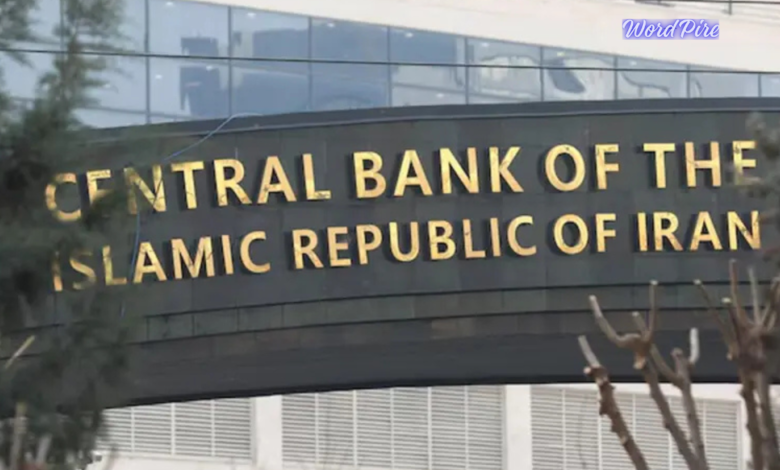
The central bank of the islamic republic of iran is the principal monetary authority responsible for guiding the country’s financial system and safeguarding economic stability. It operates at the core of Iran’s banking structure, influencing how money flows through the economy, how credit is allocated, and how confidence is maintained in national financial institutions. Its decisions affect households, businesses, and government finances alike.
As a public institution, the central bank of the islamic republic of iran also reflects broader economic priorities shaped by national policy and Islamic financial principles. By balancing regulatory oversight with economic development goals, the bank plays a crucial role in maintaining monetary discipline while supporting growth in a complex and often challenging economic environment.
Historical Development and Evolution
The establishment of the central bank of the islamic republic of iran in 1960 marked a turning point in the modernisation of Iran’s financial system. Created under the Iranian Banking and Monetary Act, the institution was designed to centralise monetary authority, regulate banking operations, and issue the national currency under a unified framework. This move laid the foundation for a more structured and coordinated financial sector.
Over time, political and economic changes reshaped the role of the central bank. Following the Islamic Revolution, the institution adapted to new ideological priorities, aligning its operations with Islamic economic principles. Despite these changes, its core mandate of maintaining monetary stability and supervising the banking system remained central to its mission.
Legal Framework and Governance
The central bank of the islamic republic of iran operates within a defined legal framework that sets out its powers, responsibilities, and limits. Banking and monetary laws establish how policies are formed, how financial institutions are regulated, and how accountability is maintained. This framework is essential for ensuring consistency and credibility in monetary decision-making.
Governance within the bank is structured to combine technical expertise with national economic oversight. Leadership bodies guide policy direction, while specialised departments focus on areas such as banking supervision, currency management, and financial research. This organisational structure supports informed decision-making and long-term financial planning.
Core Functions and Responsibilities

One of the most visible responsibilities of the central bank of the islamic republic of iran is the issuance and management of the national currency. By regulating money supply and monitoring liquidity, the bank seeks to control inflation and preserve the purchasing power of the currency. These actions have a direct impact on everyday economic activity and long-term financial confidence.
In addition to currency management, the bank supervises commercial banks and financial institutions to ensure stability and compliance with regulations. Through licensing, monitoring, and corrective measures, it works to reduce financial risk and protect depositors, thereby strengthening trust in the national banking system.
Monetary Policy and Economic Management
Monetary policy is a central tool used by the central bank of the islamic republic of iran to influence economic conditions. By adjusting credit controls, managing liquidity, and guiding financial institutions, the bank aims to balance economic growth with price stability. These policies are particularly important in managing inflationary pressures and supporting sustainable development.
Implementing monetary policy requires careful judgement, especially in an economy facing both internal constraints and external pressures. The central bank must respond to changing economic indicators while coordinating with broader fiscal policies, ensuring that monetary actions support long-term economic resilience.
Role in Islamic Banking and Finance
Islamic banking is a defining feature of Iran’s financial system, and the central bank of the islamic republic of iran plays a key role in overseeing this sector. Islamic finance operates without interest, relying instead on profit-sharing and asset-backed transactions that align with Sharia principles. The central bank ensures that these practices are applied consistently across financial institutions.
By providing regulatory guidance and supervision, the bank supports innovation within Islamic finance while maintaining financial discipline. This oversight helps ensure that Islamic banking contributes to economic stability, ethical financial practices, and inclusive growth within the broader economy.
Payment Systems and Financial Infrastructure
Efficient payment systems are essential for a functioning economy, and the central bank of the islamic republic of iran oversees the development and regulation of these systems. From interbank settlements to retail payment platforms, the bank ensures that transactions are processed securely and efficiently across the financial network.
The bank has also supported the gradual modernisation of financial infrastructure, including electronic payments and digital banking services. These developments aim to improve accessibility, reduce transaction costs, and enhance the overall efficiency of the financial system for individuals and businesses.
International Relations and Economic Challenges
The international role of the central bank of the islamic republic of iran is shaped by both cooperation and constraint. While engagement with global financial institutions can offer opportunities for economic integration, geopolitical tensions and sanctions have limited traditional international banking relationships.
In response, the central bank has explored alternative mechanisms to manage foreign exchange, facilitate trade, and strengthen regional financial cooperation. These strategies are designed to reduce vulnerability to external shocks while maintaining economic functionality under challenging conditions.
Conclusion
The central bank of the islamic republic of iran remains a cornerstone of the nation’s economic and financial system. Through its management of monetary policy, regulation of banks, and oversight of Islamic finance, it plays a decisive role in maintaining stability and supporting economic activity.
As Iran continues to navigate economic reforms and external pressures, the importance of a resilient and adaptive central bank cannot be overstated. Its ability to balance regulation, innovation, and stability will significantly shape the country’s financial future and economic confidence.
Frequently Asked Questions
What is the primary role of the central bank of the islamic republic of iran?
It manages monetary policy, currency issuance, and banking supervision.
When was the central bank of the islamic republic of iran established?
It was established in 1960 under the Iranian Banking and Monetary Act.
How does the central bank support Islamic banking?
It regulates Sharia-compliant financial institutions and ensures compliance with Islamic principles.
Why is the central bank important to Iran’s economy?
It ensures financial stability, controls inflation, and oversees the banking system.
What currency is issued by the central bank of the islamic republic of iran?
It issues the Iranian Rial, the national currency of Iran.
Who governs the central bank of the islamic republic of iran?
It is led by a Governor and supported by specialised committees.
How does the central bank control inflation in Iran?
It uses monetary policy tools like interest rates, liquidity management, and credit regulation.
If you want, I can update your full article to include this FAQ section and make it fully SEO-optimised under 800–1000 words ready for publishing.
Also Read: Bridge Le Havre France

