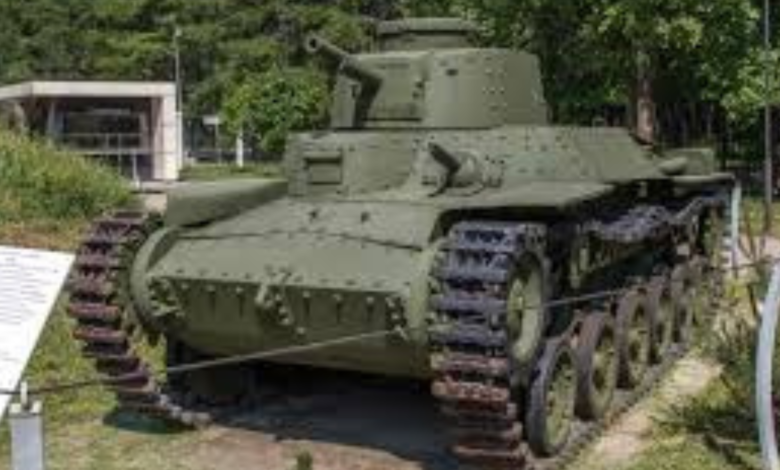
The Chi Ha Tank, officially known as the Type 97 medium tank, was a cornerstone of Japanese armoured forces during World War II. It combined mobility, firepower, and practical design, making it a reliable vehicle across multiple campaigns, from the Second Sino-Japanese War to Pacific battles. Its compact size and relatively light weight allowed it to traverse diverse terrains, including the rugged landscapes of China and island jungles, which other tanks often struggled to navigate.
Beyond its military role, the Chi Ha Tank has become a cultural icon. Collectors and model enthusiasts have maintained interest in this tank through highly detailed scale kits such as the Tamiya Chi Ha Tank and Airfix Chi Ha Tank. These models allow hobbyists to explore its design features, internal mechanics, and historical significance while preserving the legacy of Japanese armoured engineering.
Origins and Development of the Chi Ha Tank
The development of the Chi Ha Tank began in the 1930s as Japan sought to modernise its armoured divisions. The Imperial Japanese Army required a medium tank that could balance speed, armament, and production efficiency. The Type 97 design featured a riveted hull, a V12 diesel engine, and a 57mm main gun, which made it suitable for both infantry support and light tank engagements. These features were considered advanced for its time in the Japanese military context.
Engineers aimed to create a vehicle that could outperform earlier models like the Type 89 I-Go, particularly in mobility and firepower. The Chi Ha Tank’s design allowed for easier maintenance and field repairs, which were essential during prolonged campaigns. Its compact structure also enabled faster production rates, ensuring Japan could deploy the tank in large numbers as military conflicts intensified across Asia.
Variants of the Chi Ha Tank
The original Chi Ha Tank quickly evolved into several variants to improve combat performance. One notable upgrade was the Shin Hōtō Chi Ha Tank, which featured a high-velocity 47mm gun capable of penetrating heavier Allied armour. The improved turret and additional armour provided better protection for the crew while maintaining the mobility that had become a hallmark of the Chi Ha Tank.
Other experimental models included the Chi Ha Long Gun prototype, designed for close-support operations and specialised missions. These variants showcased Japan’s commitment to refining the Chi Ha Tank for diverse combat scenarios. Each iteration reflected a careful balance of firepower, armour, and agility, ensuring that the Type 97 remained a relevant medium tank throughout the early and mid-stages of World War II.
Chi Ha Tank in Combat
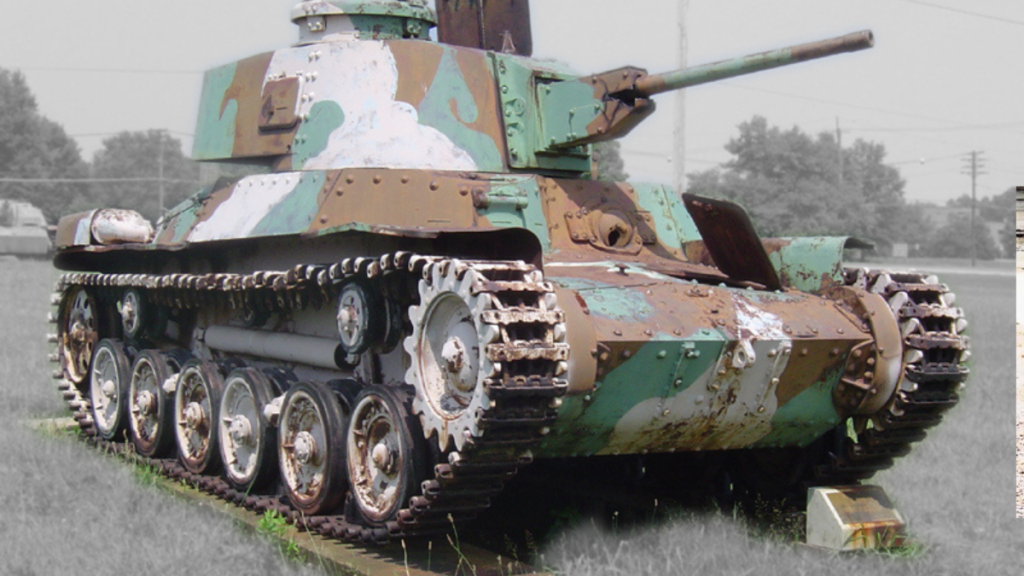
The Chi Ha Tank saw extensive action in numerous campaigns, demonstrating both its strengths and limitations. In the Second Sino-Japanese War, its mobility and relatively reliable armament allowed Japanese forces to conduct rapid advances and outflank opponents. It was particularly effective against lightly armoured Chinese tanks, which lacked the firepower to counter the Type 97 efficiently.
However, during encounters with better-equipped Allied forces, such as Soviet armour at Khalkhin Gol or American M4 Shermans in the Pacific, the Chi Ha Tank faced significant challenges. Its armour was often insufficient against high-velocity anti-tank weapons, highlighting vulnerabilities in frontal assaults. Despite this, its speed, manoeuvrability, and ease of repair ensured that it remained a staple of Japan’s armoured units, capable of fulfilling both offensive and defensive roles when deployed strategically.
Legacy and Cultural Impact
The Chi Ha Tank left a lasting imprint on both military history and popular culture. It influenced subsequent Japanese tank designs, particularly in balancing weight, mobility, and firepower. The tank is often featured in historical documentaries, war games, and films, highlighting its enduring significance in global military history. Its operational role provides a window into the strategies and limitations of Japanese armoured forces during World War II.
The tank’s legacy is further reinforced by its popularity among model makers. Scale kits from Tamiya and Airfix allow hobbyists to recreate accurate depictions of the Chi Ha Tank, including its original Type 97 and the upgraded Shin Hōtō variant. These models encourage historical exploration while fostering creativity, making the Chi Ha Tank both an educational subject and a cherished hobby for enthusiasts worldwide.
Collecting and Modelling the Chi Ha Tank
Collecting and modelling the Chi Ha Tank has become a dedicated niche within military hobbyist communities. Tamiya Chi Ha Tank kits are renowned for their precision, historical accuracy, and detailed components, while Airfix kits offer a more accessible entry point for beginners. Builders can recreate every aspect of the tank, from turret mechanisms to tracks and rivets, enhancing appreciation for its engineering.
Modellers often build dioramas featuring multiple Chi Ha Tanks in historical battle scenes. This process combines research with craftsmanship, providing insights into how these tanks were deployed in real combat situations. Such hands-on engagement ensures that the Chi Ha Tank continues to inspire both historical study and creative expression for generations of enthusiasts.
Preservation and Museums
Several Chi Ha Tanks survive in museums and private collections, offering a tangible connection to history. Museums in Japan, such as the JGSDF Ordnance School, display preserved Type 97 tanks for public viewing. These preserved vehicles provide insights into tank construction, armament, and crew operations. Restoration efforts focus on maintaining original specifications, ensuring historical accuracy for educational purposes.
International museums also house Chi Ha Tanks, illustrating the global interest in Japanese armoured history. Visitors can see the tank’s compact design and armament, gaining a better understanding of how Japanese engineers overcame design challenges. Preserved examples help historians, hobbyists, and students appreciate the ingenuity and limitations of Japan’s medium tank programme during World War II.
Conclusion
The Chi Ha Tank remains one of the most iconic Japanese tanks of World War II. Its combination of mobility, practical design, and combat effectiveness made it a key element of the Imperial Japanese Army. Beyond its battlefield significance, the tank has maintained cultural relevance through modelling, media, and preservation efforts, ensuring its place in military history.
From historical study to hobbyist recreation, the Chi Ha Tank continues to fascinate enthusiasts worldwide. Its development, variants, and operational record provide valuable lessons in tank design and warfare strategy. Today, both historians and model makers celebrate the Chi Ha Tank as a symbol of Japanese engineering and wartime innovation.
Frequently Asked Questions
- What is the Chi Ha Tank?
A Japanese Type 97 medium tank used extensively in WWII. - How does the Shin Hōtō Chi Ha Tank differ from the original Type 97?
It featured a higher-velocity 47mm gun and improved armour. - How many Chi Ha Tanks were produced during WWII?
Approximately 2,200 units were built by Japan. - Where can I see a Chi Ha Tank on display?
Museums in Japan and a few international military museums have preserved examples. - What are the best Tamiya or Airfix Chi Ha Tank models for collectors?
Tamiya’s 1:35 and Airfix’s 1:72 scale kits are most popular. - Was the Chi Ha Tank effective in combat against Allied forces?
It was effective against light tanks but struggled against heavily armoured opponents. - What features made the Japanese Chi Ha Tank unique?
Its balance of mobility, compact design, and ease of repair made it stand out. - What is the Chi Ha Long Gun prototype and how does it differ?
A rare experimental variant with a 120mm high-angle gun for support roles.
Also Read: Arnhem Gelredome