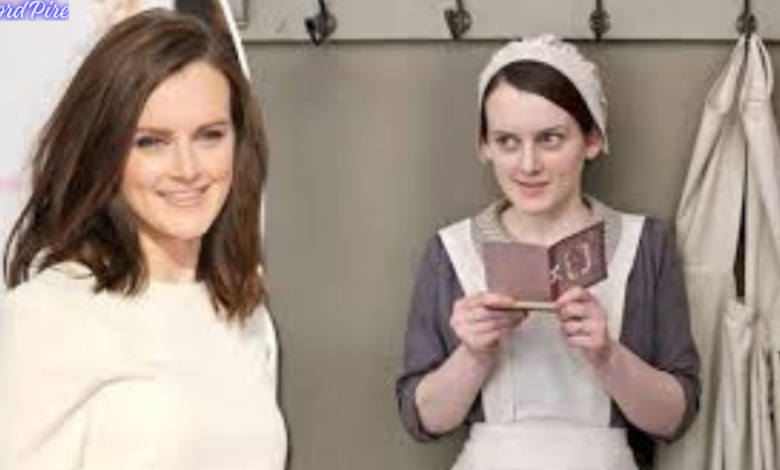
Daisy Mason remains one of the most adored characters in Downton Abbey, remembered for her innocence, loyalty, and endearing personality. The downton abbey daisy actress, Sophie McShera, brought authenticity and charm to this role, making Daisy a standout among the talented ensemble cast. Her portrayal captured the essence of a young kitchen maid navigating the complexities of life in a grand estate while winning viewers’ hearts across the globe.
Fans of the series are often curious about the life of the downton abbey daisy actress beyond her iconic role. Sophie McShera’s career journey, from early acting roles to international recognition, highlights her dedication and versatility as an actress. Her talent extends beyond Daisy, encompassing film, theatre, and other television appearances, demonstrating her range and commitment to the craft.
Who Is Sophie McShera? Early Life and Background
Sophie McShera was born on 17 May 1985 in Bradford, West Yorkshire, England, into a supportive family that encouraged her interest in performing arts. From a young age, she participated in local theatre productions and school plays, honing her acting skills and building the foundation for a professional career. This early exposure to performance played a significant role in shaping her abilities as an actress and performer.
Before her breakthrough in Downton Abbey, Sophie McShera appeared in various television shows, including a role in Waterloo Road. These early experiences allowed her to develop her craft, gain confidence, and learn the demands of the entertainment industry. The downton abbey daisy actress approached every role with professionalism, a trait that would later earn her widespread acclaim for her performance as Daisy Mason.
Sophie McShera as Daisy Mason in Downton Abbey
Sophie McShera’s casting as Daisy Mason marked a defining moment in her career. She portrayed Daisy’s evolution from a timid and inexperienced kitchen maid to a confident young woman navigating work, relationships, and personal growth within the Crawley household. Her performance blended humour, vulnerability, and determination, making Daisy both relatable and memorable for audiences.
The downton abbey daisy actress was praised for her ability to deliver emotional depth alongside moments of light-hearted charm. Daisy’s interactions with fellow staff members and the Crawley family highlighted Sophie’s skill in balancing comedy with drama. Viewers were drawn to her authentic portrayal of a character who embodied resilience and sincerity, ensuring Daisy Mason’s place as a fan favourite.
Life After Downton Abbey
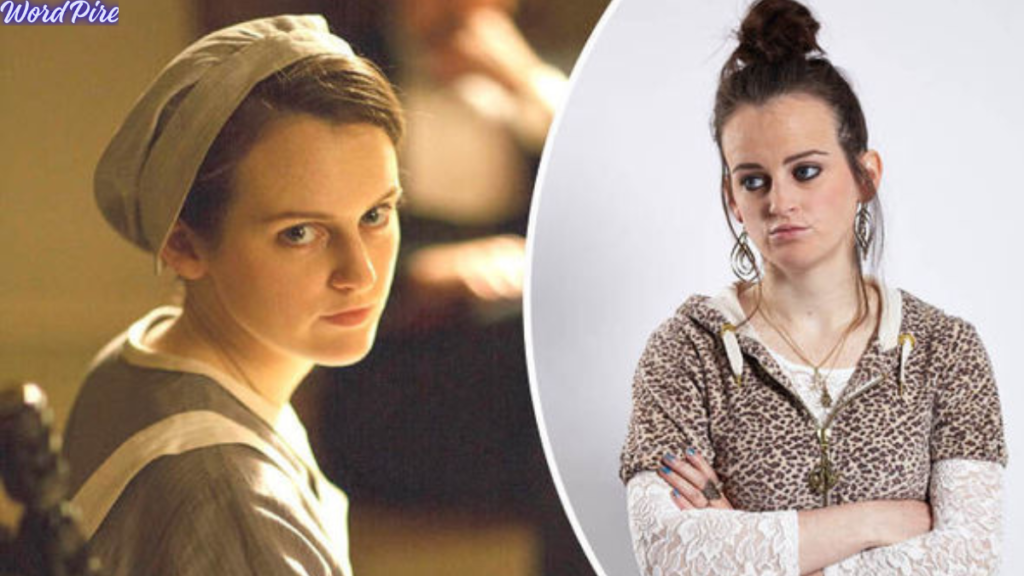
Following the conclusion of Downton Abbey, Sophie McShera continued to expand her acting portfolio with roles in television, film, and theatre. She starred in the live-action adaptation of Cinderella in 2015, showcasing her versatility and ability to transition from period drama to a modern fairy tale. Her post-Downton career illustrates her dedication to exploring diverse characters and challenging roles across different media.
The downton abbey daisy actress remains active in theatre productions and television projects, earning recognition for her adaptability and range. Sophie’s continued presence in the entertainment industry reflects her commitment to storytelling and her enduring connection with audiences who first fell in love with her as Daisy Mason. Her career trajectory demonstrates both talent and perseverance, establishing her as a respected figure in acting.
Personal Life and Fun Facts
Off-screen, Sophie McShera maintains a grounded and inspiring personal life. Raised in Yorkshire, she retains her natural accent, which occasionally enriches her performances with authenticity. Sophie enjoys a quiet lifestyle away from the spotlight while remaining engaged with fans through interviews and media appearances. Her approachable personality has contributed to her popularity beyond the screen.
The downton abbey daisy actress has shared interesting anecdotes from the filming of Downton Abbey, revealing her sense of humour and dedication to her craft. Fans enjoy learning about her experiences on set, from comedic mishaps to behind-the-scenes challenges. Sophie’s genuine charm and professionalism have left a lasting impression on both cast members and audiences alike, highlighting her as a remarkable talent.
Legacy of Daisy Mason
Daisy Mason has left an enduring mark on television history, and the downton abbey daisy actress played a pivotal role in shaping that legacy. Sophie McShera’s portrayal contributed significantly to the series’ popularity and cultural impact, creating a character that continues to inspire and resonate with viewers. Daisy’s story of growth, resilience, and self-discovery remains memorable to audiences worldwide.
The influence of Sophie McShera as Daisy extends beyond the screen, inspiring aspiring actors and fans of period dramas alike. Through her performance, the downton abbey daisy actress demonstrated the power of subtlety, emotion, and dedication in storytelling. Her work continues to be celebrated as part of the enduring success and charm of Downton Abbey.
Conclusion
The journey of the downton abbey daisy actress, Sophie McShera, is a testament to talent, perseverance, and versatility. From her early days in Yorkshire to her breakthrough as Daisy Mason and subsequent career accomplishments, she has established herself as a respected and admired actress. Her portrayal of Daisy remains a defining part of Downton Abbey’s legacy and continues to captivate audiences worldwide.
Frequently Asked Questions
Who played Daisy in Downton Abbey?
Sophie McShera played the character Daisy Mason throughout all six series of the show.
What is Sophie McShera’s age?
She was born on 17 May 1985 in Bradford, England, making her a celebrated Yorkshire talent.
What other roles has Sophie McShera appeared in?
She has appeared in Cinderella (2015), various TV shows, and theatre productions, demonstrating her versatility.
Where is Daisy Mason from in Downton Abbey?
Daisy is portrayed as a kitchen maid and assistant cook working in the Crawley household.
Is Sophie McShera still active in acting?
Yes, Sophie continues to work in television, film, and theatre, engaging fans worldwide.
What accent does Sophie McShera use in Downton Abbey?
She uses a Yorkshire accent, reflecting her real-life roots and adding authenticity to Daisy’s character.
Also Read: FA Cup 1925