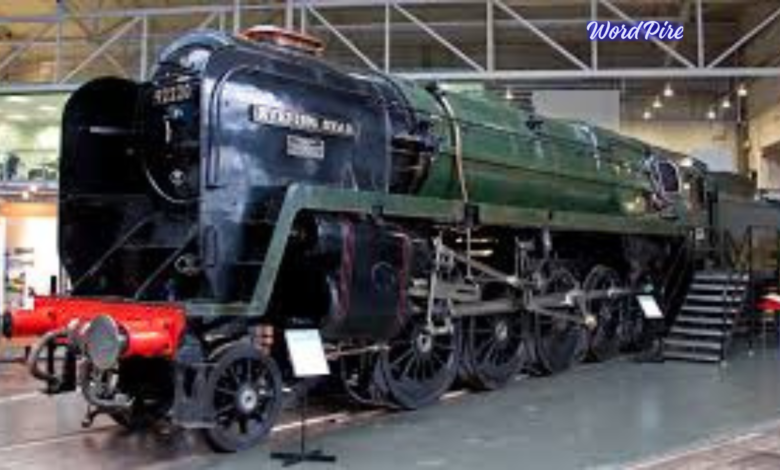
The class 9f steam locomotive represents the final and most powerful chapter in Britain’s long steam railway tradition. Developed during the post-war years, it was designed to meet the immense demands of heavy freight transport at a time when the nation’s economy depended heavily on coal, steel, and industrial goods. With its imposing size and unmistakable silhouette, this locomotive quickly became a symbol of engineering ambition and technical maturity.
What makes the class 9f steam locomotive particularly fascinating is its timing. It emerged just as steam technology reached its peak, shortly before diesel and electric traction took over Britain’s railways. As a result, the class has come to embody both the height of steam locomotive development and the closing moments of a historic era, giving it lasting cultural and historical importance.
History of the Class 9F Steam Locomotive
The origins of the class 9f steam locomotive lie in the challenges faced by British Railways after the Second World War. The rail network required locomotives capable of hauling heavier loads more efficiently over long distances. Existing freight engines struggled to meet these expectations, prompting the need for a new, standardised heavy freight design that could operate reliably across the national network.
Introduced in the mid-1950s, the class 9f steam locomotive formed part of the British Railways Standard programme. This initiative aimed to simplify maintenance and improve performance by creating a unified family of locomotive designs. The 9F was intended as the ultimate freight engine, and from the outset it was clear that it would be among the most powerful steam locomotives ever to run on British rails.
Design and Engineering Features of the Class 9F Steam Locomotive
The design of the class 9f steam locomotive was focused entirely on power, stability, and efficiency. Its distinctive 2-10-0 wheel arrangement allowed for exceptional adhesion, enabling it to pull extremely heavy freight trains without wheel slip. This configuration also spread the locomotive’s weight evenly, helping to protect track infrastructure while maximising traction.
Equally important were the engineering refinements incorporated into the class 9f steam locomotive. A large boiler and advanced draughting system ensured consistent steam production, while the wide firebox allowed for efficient fuel combustion. These features combined to create a locomotive that was not only immensely powerful but also economical to operate, even under demanding conditions.
Technical Specifications of the Class 9F Steam Locomotive
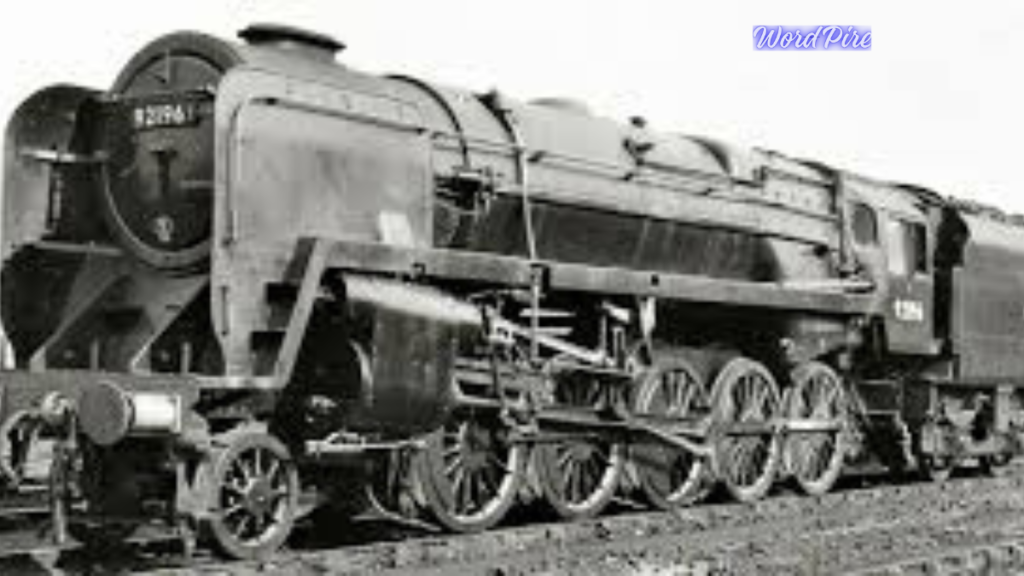
From a technical standpoint, the class 9f steam locomotive stood at the pinnacle of British steam engineering. It was designed to haul exceptionally heavy loads at sustained speeds, making it ideal for long-distance freight services. Its impressive tractive effort placed it well ahead of earlier freight locomotives, allowing it to handle trains that would previously have required double-heading.
Despite its primary freight role, the class 9f steam locomotive also demonstrated surprising versatility. On certain occasions, it was used on passenger services, where it proved capable of running at relatively high speeds for such a large engine. This combination of strength and adaptability highlighted just how advanced steam locomotive design had become by the mid-twentieth century.
Operational Use and Performance in British Railways Service
In regular service, the class 9f steam locomotive became a familiar sight on Britain’s major freight routes. It was commonly assigned to haul coal, minerals, and heavy goods essential to industry and power generation. Railway crews valued its steady performance and ability to maintain speed even on steep gradients, where lesser locomotives often struggled.
The operational reputation of the class 9f steam locomotive extended beyond freight duties. Its smooth riding characteristics and ample power occasionally saw it pressed into passenger service, particularly during periods of locomotive shortages. These unexpected roles further enhanced its reputation and demonstrated the robustness of its design under varied working conditions.
Famous Class 9F Locomotives and Public Recognition
Among the many engines built, several examples of the class 9f steam locomotive achieved lasting fame. The most renowned is Evening Star, the final steam locomotive constructed for British Railways. Its name and ceremonial status have made it an enduring symbol of the end of the steam era in the United Kingdom.
Other members of the class 9f steam locomotive fleet also gained recognition through distinctive liveries, notable performances, or preservation efforts. These individual stories helped capture public imagination and ensured that the class was remembered not merely as a technical achievement, but as a collection of machines with character and historical significance.
Withdrawal from Service and the End of Steam
The withdrawal of the class 9f steam locomotive from active service was not a reflection of its capabilities. Instead, it was the result of rapid technological change as diesel and electric traction became the preferred options for British Railways. These newer forms of power offered reduced maintenance requirements and greater long-term efficiency.
As steam locomotives were phased out during the 1960s, the class 9f steam locomotive became one of the last standard steam designs to operate on the main line. This position at the very end of the steam era has added greatly to its historical importance, marking it as both the culmination and conclusion of British steam locomotive development.
Preservation and Heritage Railway Appearances
Fortunately, several examples of the class 9f steam locomotive were saved from scrapping and preserved for future generations. Today, these engines can be seen operating on heritage railways, where they continue to demonstrate their immense power and engineering excellence in a more relaxed setting.
The preservation of the class 9f steam locomotive plays a vital role in keeping Britain’s industrial heritage alive. Restoration projects involve significant skill and dedication, offering valuable educational opportunities while allowing the public to experience the sights, sounds, and scale of steam power first-hand.
Legacy and Historical Importance of the Class 9F Steam Locomotive
The long-term legacy of the class 9f steam locomotive is firmly secured within British railway history. It represents the ultimate expression of steam locomotive design, combining power, efficiency, and adaptability in a single class that was unmatched in its intended role.
Today, the class 9f steam locomotive continues to influence railway preservation, historical research, and enthusiast culture. Its reputation as Britain’s definitive heavy freight steam locomotive ensures that it remains a benchmark against which other steam engines are judged, even decades after the end of regular steam operation.
Conclusion
In summary, the class 9f steam locomotive stands as one of the most important and impressive achievements of British engineering. Designed to meet the demanding needs of post-war freight transport, it succeeded in delivering exceptional power and reliability at a time when steam technology was at its most advanced.
Although its working life was relatively short, the class 9f steam locomotive has achieved lasting fame through preservation and historical study. As both the peak and the farewell of Britain’s steam era, it continues to capture imagination and respect, securing its place as a true icon of railway history.
Frequently Asked Questions
What was the primary purpose of the class 9f steam locomotive?
It was designed primarily to haul heavy freight trains efficiently.
Who designed the class 9f steam locomotive?
Robert Riddles was the chief designer of the class 9F.
How fast could the class 9f steam locomotive travel?
It could reach speeds up to 90 mph on suitable routes.
Why is Evening Star associated with the class 9f steam locomotive?
Evening Star was the last steam locomotive built in this class for British Railways.
Are any class 9f steam locomotive engines still operational today?
Yes, several are preserved and operate on heritage railways in the UK.
How many class 9f steam locomotives were built?
A total of 251 locomotives were constructed between 1954 and 1960.
Why were some class 9f locomotives banned from mainline running?
Restrictions applied due to weight and modern safety regulations.
What is the wheel arrangement of the class 9f steam locomotive?
It has a 2-10-0 wheel arrangement, ideal for heavy freight traction.
What made the class 9f steam locomotive historically significant?
It represents the peak of British steam locomotive design and engineering.
Also Read: The Housemartins Albums