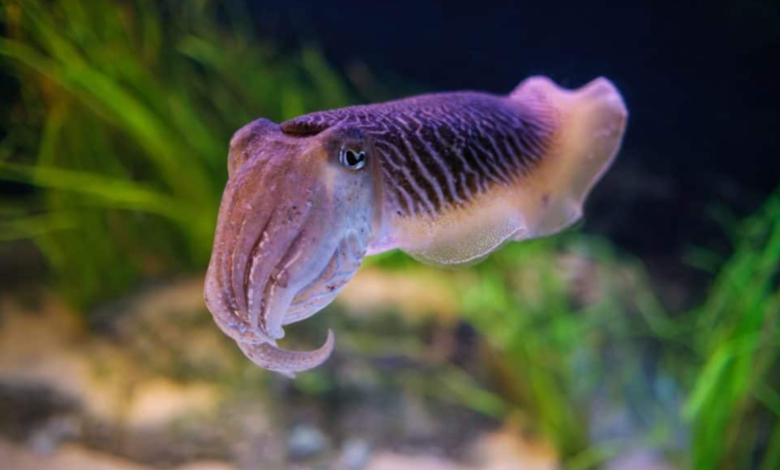
Cuttlefish are among the most fascinating marine creatures in the ocean, renowned for their intelligence, colour-changing abilities, and complex behaviours. Despite their name, cuttlefish are not true fish but molluscs, closely related to squid and octopuses. They possess unique physical and behavioural traits that set them apart in the marine world. Scientists continue to study cuttlefish for insights into intelligence, communication, and survival strategies in underwater environments.
Found in oceans worldwide, cuttlefish display remarkable adaptability. Their elongated bodies, soft texture, and internal cuttlebone allow them to navigate effortlessly, controlling buoyancy with precision. These creatures can communicate with each other through intricate skin patterns and colours, making them not only skilled hunters but also fascinating social beings. Understanding cuttlefish behaviour opens a window into the sophistication of marine life.
What is a Cuttlefish?
Cuttlefish are marine molluscs belonging to the family Sepiidae and the class Cephalopoda. Unlike fish, they have ten arms, including two long tentacles designed for capturing prey. One of the most distinctive features of cuttlefish is the cuttlebone, an internal structure that helps them maintain buoyancy and balance while swimming. Their highly developed eyes provide exceptional vision, making them excellent predators in their habitats.
People often confuse cuttlefish with squid or octopus due to their similar appearance. However, cuttlefish are unique in their anatomy and behaviour. Their ability to rapidly change colour and display complex patterns sets them apart from other cephalopods. Learning about what cuttlefish are helps us appreciate their ecological importance and their extraordinary adaptations in the wild.
Anatomy and Unique Features
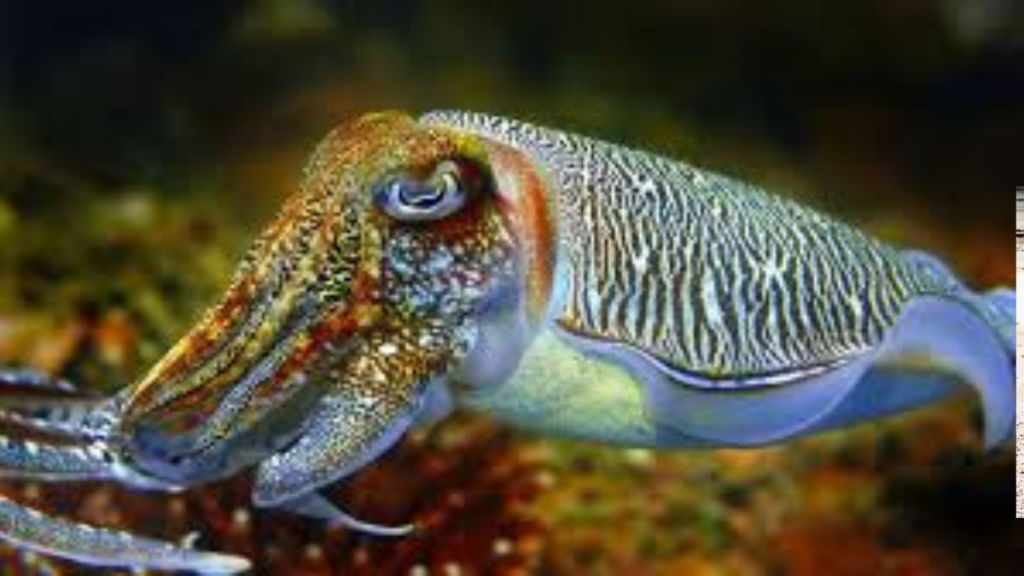
Cuttlefish possess several features that make them stand out in the marine world. Their ability to change colour almost instantaneously is facilitated by specialised skin cells called chromatophores. This capability allows cuttlefish to communicate, camouflage, and intimidate rivals or predators. Additionally, cuttlefish have three hearts and blue blood, adaptations that support their active predatory lifestyle and efficient oxygen transport.
The cuttlebone is another remarkable feature of cuttlefish. This lightweight internal shell enables precise buoyancy control, allowing them to glide silently through the water. Their flexible body, advanced sensory organs, and large head make cuttlefish exceptionally agile hunters. These unique traits demonstrate the evolutionary sophistication of cuttlefish and their ability to thrive in diverse ocean habitats.
Behaviour and Intelligence
Cuttlefish are celebrated for their intelligence, which rivals that of some fish and other cephalopods. They demonstrate problem-solving skills, learning abilities, and even memory retention. These creatures communicate with each other through body patterns, gestures, and colour changes, allowing them to interact in ways that many marine species cannot. This intelligence also helps cuttlefish avoid predators and catch prey efficiently.
Camouflage is one of the most impressive behaviours of cuttlefish. They can mimic the texture, colour, and pattern of their surroundings with astonishing accuracy. This skill helps them hide from predators while ambushing unsuspecting prey. The combination of intelligence, adaptability, and advanced sensory perception makes cuttlefish one of the most remarkable marine species.
Cuttlefish Diet and Feeding Habits
Cuttlefish primarily feed on small fish, crustaceans, and molluscs. Their specialised tentacles shoot out with incredible speed to capture prey, while their sharp beak enables them to consume it efficiently. Cuttlefish rely on stealth, intelligence, and camouflage to hunt, ensuring they secure food while avoiding threats in the ocean.
These marine molluscs play an important role in the food chain. By controlling populations of smaller fish and crustaceans, cuttlefish help maintain ecological balance. Their feeding habits also demonstrate their adaptability, allowing cuttlefish to survive in a range of ocean environments and thrive as skilled predators.
Reproduction and Lifecycle
Cuttlefish exhibit fascinating courtship and reproductive behaviour. Males display vivid colour patterns to attract females, often competing aggressively with rivals. After fertilisation, females lay eggs in secure areas, where the young develop until hatching. This careful reproductive strategy ensures the survival of cuttlefish in challenging marine environments.
The lifecycle of cuttlefish is relatively short, typically lasting one to two years. Despite this brief lifespan, their advanced intelligence, camouflage skills, and reproductive strategies allow them to thrive in the wild. Studying cuttlefish reproduction provides valuable insight into their survival mechanisms and their role in the ocean ecosystem.
Cuttlefish in Human Culture and Cuisine
Cuttlefish have long been used in human culture and cuisine. Their ink is prized in culinary dishes, while their soft, flavorful flesh is consumed in a variety of recipes, from grilled preparations to pastas and stews. In some regions, cuttlefish are considered a delicacy due to their unique taste and nutritional benefits.
Sustainable harvesting of cuttlefish is essential to protect populations and preserve marine ecosystems. Ethical fishing practices help ensure cuttlefish remain abundant in the wild. Understanding their biology and behaviour allows humans to enjoy cuttlefish responsibly while respecting the delicate balance of the oceans they inhabit.
Fascinating Facts About Cuttlefish
Giant cuttlefish, one of the largest species, can reach nearly a metre in length and weigh over 10 kilograms. These extraordinary creatures are renowned for their colour-changing abilities, complex courtship displays, and remarkable intelligence. Scientists continue to study cuttlefish to learn more about their behaviour and cognitive capabilities.
Cuttlefish demonstrate the incredible ingenuity of nature. From their advanced camouflage to their problem-solving skills, cuttlefish captivate researchers and enthusiasts alike. By observing these creatures, humans gain a better understanding of marine life, evolution, and the delicate ecosystems in which cuttlefish thrive.
Conclusion
Cuttlefish are among the most intelligent and adaptive marine creatures, with abilities that fascinate both scientists and ocean enthusiasts. Their unique anatomy, colour-changing skills, and complex behaviours make them extraordinary examples of evolutionary success. Learning about cuttlefish provides insight into marine biodiversity and the importance of protecting these remarkable creatures in their natural habitats.
Frequently Asked Questions
What is a cuttlefish and how is it different from a squid?
Cuttlefish are molluscs with a cuttlebone and ten arms, unlike squid which have a pen-like internal shell.
What is cuttlefish bone used for?
Cuttlebone is used for buoyancy in cuttlefish and as a calcium supplement for birds.
Can humans eat cuttlefish?
Yes, cuttlefish are edible and commonly cooked in seafood dishes.
How does cuttlefish ink work?
Cuttlefish release ink to create a smoke-screen, confusing predators and aiding escape.
What do cuttlefish eat in the wild?
They feed on small fish, crabs, shrimp, and other marine invertebrates.
How big can giant cuttlefish grow?
Giant cuttlefish can grow nearly one metre long and weigh over 10 kilograms.
Are cuttlefish intelligent compared to other sea creatures?
Yes, cuttlefish demonstrate advanced problem-solving, learning, and communication skills.
How do cuttlefish change colour so quickly?
Special pigment cells called chromatophores allow instant colour and pattern changes.
Can cuttlefish be kept in home aquariums?
They can be kept, but require specialised care and large marine tanks.
What is the best way to cook cuttlefish?
Cuttlefish can be grilled, fried, or used in pasta and seafood dishes.
Also Read: Veal