Twycross Zoo is one of the UK’s most popular wildlife attractions, known for its strong focus on conservation and family experiences. Located in the heart of the Midlands, Twycross Zoo offers a full day of exploration with hundreds of animals and interactive exhibits. Visitors come for education, entertainment, and a closer look at endangered species in carefully designed habitats.
A trip to Twycross Zoo is ideal for families, school groups, and wildlife lovers who want both fun and learning in one destination. From great apes to seasonal events, Twycross Zoo continues to grow as a leading attraction. Its combination of conservation work and visitor engagement makes it a standout experience for anyone planning a UK zoo visit.
Where is Twycross Zoo Located and How to Reach It
Twycross Zoo is situated on Burton Road in Little Orton, Atherstone, making it easily accessible from major towns and cities across the UK. The location of Twycross Zoo is well signposted, and visitors can use the postcode for accurate navigation. Surrounded by countryside, it offers a peaceful escape while still being conveniently connected to road networks.
Travelling to Twycross Zoo by car is the most common option, with on-site parking available for guests. Public transport routes also serve nearby areas, making access possible without a vehicle. Planning your journey in advance ensures a smooth arrival and more time to enjoy everything Twycross Zoo has to offer throughout the day.
Twycross Zoo Tickets, Prices and Booking Tips
Twycross Zoo tickets are available both online and at the entrance, but booking in advance is usually recommended for better pricing and availability. Ticket prices at Twycross Zoo vary depending on age groups, family packages, and seasonal offers. Online booking often provides discounts, making it a more cost-effective option for visitors.
Many guests choose Twycross Zoo tickets that include annual passes, allowing unlimited visits throughout the year. Special offers and promotions are regularly available, especially during school holidays. Planning ahead not only saves money but also ensures a smoother entry experience, helping visitors spend more time exploring Twycross Zoo instead of waiting in queues.
Twycross Zoo Opening Times, Weather and Best Visiting Time

Twycross Zoo opening times change slightly depending on the season, usually opening in the morning and closing in the late afternoon. It is always recommended to check timings before visiting, as special events or seasonal changes may affect hours. Twycross Zoo provides enough time for visitors to explore all major exhibits comfortably.
The Twycross Zoo weather can significantly impact your visit, especially since many attractions are outdoors. Sunny and mild weather creates the best experience for walking through animal habitats and enjoying open spaces. Visiting during weekdays or off-peak times often means fewer crowds, giving you a more relaxed and enjoyable experience at Twycross Zoo.
Twycross Zoo Animals and Wildlife Experience
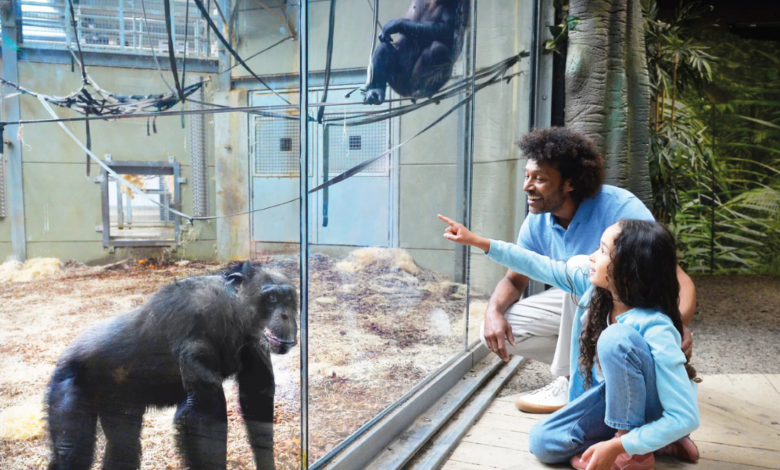
Twycross Zoo is home to more than 400 animals, making it one of the most diverse wildlife parks in the UK. It is especially famous for its primate collection, including gorillas, chimpanzees, and orangutans. Twycross Zoo focuses heavily on conservation, giving visitors the chance to learn about endangered species in natural-style enclosures.
Beyond primates, Twycross Zoo features a wide range of animals including reptiles, birds, and mammals from across the world. Educational talks and feeding sessions help visitors understand animal behaviour and conservation efforts. Every visit to Twycross Zoo provides a unique opportunity to connect with wildlife and learn about global protection initiatives.
Twycross Zoo Lanterns of the Wild and Seasonal Events
Twycross Zoo Lanterns of the Wild is one of the most exciting seasonal attractions, transforming the zoo into a glowing evening experience. This event features beautifully designed lantern displays inspired by animals and nature. Twycross Zoo becomes a magical light trail during this time, attracting families and visitors from across the UK.
The Twycross Zoo light trail is perfect for creating memorable winter evenings, combining art, light, and storytelling. Twycross Zoo lantern events are extremely popular and often require early booking due to high demand. These seasonal experiences add a new dimension to the zoo, making Twycross Zoo a year-round destination rather than just a daytime visit.
Twycross Zoo Map, Facilities and Family Services
A Twycross Zoo map is essential for navigating the large site efficiently, helping visitors locate animal zones, attractions, and dining areas. The layout of Twycross Zoo is designed for easy walking, with clear pathways connecting different sections. Using the map ensures you do not miss key exhibits during your visit.
Facilities at Twycross Zoo include cafes, picnic areas, and children’s play zones, making it ideal for families. Twycross Zoo soft play areas are especially popular with younger visitors who need breaks between animal viewing. The zoo is also designed with accessibility in mind, ensuring all guests can enjoy a comfortable and inclusive experience.
Twycross Zoo Reviews, Photos and Visitor Experience
Twycross Zoo reviews often highlight its strong conservation message, friendly staff, and engaging animal encounters. Visitors frequently praise the educational value and well-maintained habitats. Twycross Zoo continues to receive positive feedback for being both entertaining and informative, making it a trusted choice for family outings.
Twycross Zoo photos shared online show a mix of exciting animal encounters and beautiful seasonal events. From playful monkeys to illuminated lantern trails, the zoo offers countless photo opportunities. Overall, Twycross Zoo provides a memorable visitor experience that blends learning, adventure, and nature in one place.
Twycross Zoo Jobs and Conservation Careers
Twycross Zoo jobs include roles in animal care, education, hospitality, and conservation work. Working at Twycross Zoo allows individuals to contribute directly to wildlife protection and public awareness. It is a rewarding environment for those passionate about animals and environmental sustainability.
Career opportunities at Twycross Zoo also include volunteering and internships, giving valuable hands-on experience. Many people join Twycross Zoo to build careers in zoology, veterinary science, or conservation. The organisation continues to support education and training while playing a vital role in global wildlife protection.
Conclusion:
Twycross Zoo remains one of the UK’s leading wildlife destinations, offering a perfect blend of education, conservation, and family entertainment. From its wide range of animals to seasonal events like lantern displays, Twycross Zoo delivers a full and enriching experience for all visitors.
Whether you are planning your first visit or returning again, Twycross Zoo continues to impress with its dedication to wildlife and visitor engagement. Its combination of learning opportunities and enjoyable attractions ensures Twycross Zoo stays a top choice for a memorable day out in the UK.
Frequently Asked Questions
What is Twycross Zoo famous for?
Twycross Zoo is famous for its great apes and strong conservation work.
Where is Twycross Zoo located?
Twycross Zoo is located on Burton Road, Little Orton, Atherstone, UK.
How much are Twycross Zoo tickets?
Twycross Zoo ticket prices vary depending on age, season, and booking type.
What animals can you see at Twycross Zoo?
You can see over 400 animals including gorillas, monkeys, birds, and reptiles.
What are Twycross Zoo opening times?
Twycross Zoo opening times usually run from 10am to late afternoon, depending on season.
Does Twycross Zoo have discounts?
Yes, Twycross Zoo often offers online discounts and seasonal deals.
What is Lanterns of the Wild at Twycross Zoo?
It is a seasonal light trail event featuring illuminated animal-themed displays.
Is Twycross Zoo suitable for children?
Yes, Twycross Zoo is very family-friendly with soft play and learning areas.
Also Read: trafford centre opening times