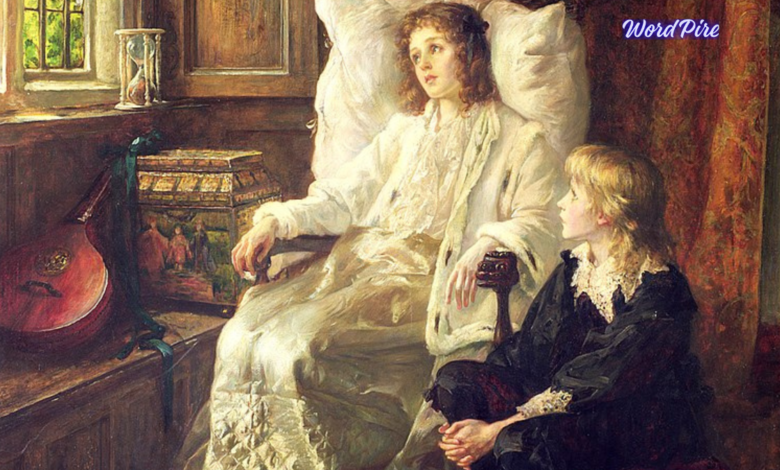
Elizabeth Stuart daughter of Charles I was born on 28 December 1635 at St. James’s Palace, London, to King Charles I of England and Queen Henrietta Maria of France. As the second daughter in a large royal family, her early years were filled with both privilege and uncertainty. Her birth symbolised hope during a period of political unrest, yet her childhood would soon be overshadowed by the turbulence of the English Civil War.
Growing up, Elizabeth Stuart daughter of Charles I experienced the strict routines of royal life. She received education in literature, religion, and courtly manners, preparing her for the expectations of a princess. Despite these privileges, the shadow of political conflict loomed over her young life, creating a childhood marked by both royal duties and the fear of instability within the monarchy.
Early Life of Elizabeth Stuart Daughter of Charles I
Elizabeth Stuart daughter of Charles I spent her formative years in the palaces of London under the guidance of her parents and household staff. She was surrounded by her siblings, including the future kings Charles II and James II, which shaped her understanding of her role in the royal family. Her early life, though privileged, was fragile and unpredictable due to the political climate.
During her youth, Elizabeth Stuart daughter of Charles I showed signs of intelligence and curiosity. She enjoyed learning and was often observed reading or engaging with tutors. Even at a young age, she was aware of the tension between the monarchy and Parliament, which would soon drastically alter her life and separate her from the security that most royal children enjoyed.
Life Amidst the English Civil War
The English Civil War profoundly affected Elizabeth Stuart daughter of Charles I. As tensions escalated between Royalists and Parliamentarians, the royal family faced imprisonment, separation, and persecution. Elizabeth’s life, which had begun with the comfort of the palace, quickly became marked by fear and uncertainty as political conflict tore through England.
During the war, Elizabeth Stuart daughter of Charles I was separated from her parents and many of her siblings for safety reasons. Parliament’s decisions placed her under strict supervision, and she spent much of her childhood in confinement. The turbulence of this period left an indelible mark on her development, shaping a young princess who had to endure the harsh realities of a kingdom in turmoil.
Imprisonment and Isolation
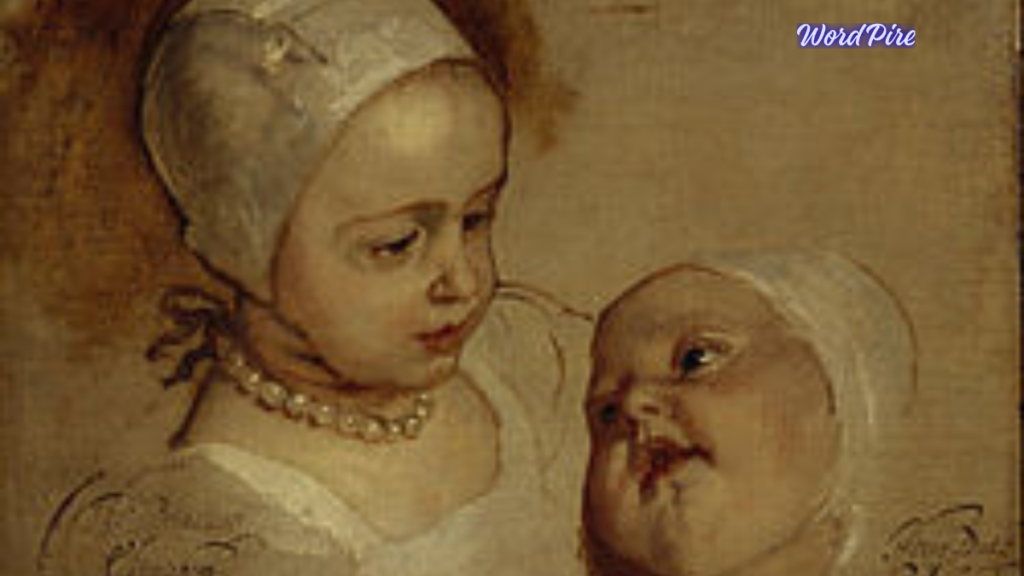
Elizabeth Stuart daughter of Charles I was imprisoned from the age of six, a period that would last until her untimely death at fourteen. Carisbrooke Castle became her world, where she lived under constant guard, deprived of the freedoms most children take for granted. This prolonged isolation shaped her personality and resilience in unique ways.
Despite her confinement, Elizabeth Stuart daughter of Charles I displayed remarkable composure and quiet strength. Historical accounts describe her as thoughtful and patient, traits that helped her endure years of separation from her family. Her life of captivity became a symbol of the royal family’s suffering during the English Civil War, highlighting the human cost of political strife.
Personality, Interests, and Character
Elizabeth Stuart daughter of Charles I was known for her gentle, intelligent, and observant nature. Even during her years of imprisonment, she remained curious about the world and engaged with her studies. Her tutors noted her interest in literature, religious texts, and history, revealing a young princess who valued knowledge despite her circumstances.
She was also described as compassionate and mature beyond her years. Elizabeth Stuart daughter of Charles I quietly inspired those around her with her resilience, and her dignity in the face of adversity left a lasting impression. Her personality and character continue to be remembered as defining elements of her brief but remarkable life.
Death and Burial
Elizabeth Stuart daughter of Charles I passed away on 8 September 1650 at Carisbrooke Castle, at the tender age of fourteen. Her death marked a tragic conclusion to a life dominated by political unrest and captivity. Her passing evoked widespread sympathy and reflection among contemporaries who recognised the hardships she had endured.
She was buried at Newport Minster in Newport, United Kingdom, leaving behind a legacy that symbolised both royal suffering and youthful resilience. Elizabeth Stuart daughter of Charles I’s life, though short, remains a poignant chapter in English history, representing the personal toll of civil war on the monarchy and the innocent lives it touched.
Historical Significance and Legacy
Elizabeth Stuart daughter of Charles I holds an important place in history as a symbol of the impact of the English Civil War on the royal family. Her story reflects the vulnerability of royal children in times of political upheaval and the personal costs of power struggles within the kingdom.
Her legacy endures through historical writings, biographies, and cultural depictions, reminding us of her resilience and dignity. Elizabeth Stuart daughter of Charles I is remembered not only as a royal princess but also as a young girl whose life exemplified courage, patience, and the profound human impact of historical events.
Conclusion
Elizabeth Stuart daughter of Charles I lived a life marked by privilege, hardship, and resilience. Her story illuminates the challenges faced by the royal family during the English Civil War and provides a personal perspective on historical events that shaped England’s monarchy.
Remembering Elizabeth Stuart daughter of Charles I allows modern readers to appreciate both her personal journey and her historical significance. Despite her brief life, she remains a poignant figure in British history, a symbol of courage, dignity, and the fragility of life in times of political conflict.
Frequently Asked Questions
Who was Elizabeth Stuart daughter of Charles I?
Elizabeth Stuart daughter of Charles I was the second daughter of King Charles I of England and Queen Henrietta Maria of France, living during a turbulent period of English history.
What happened to Elizabeth Stuart daughter of Charles I during the English Civil War?
She was separated from her family and imprisoned under Parliament’s supervision from age six until her death at fourteen.
Why did Elizabeth Stuart daughter of Charles I die young?
Her death was influenced by frailty, harsh conditions of imprisonment, and the ongoing hardships caused by the civil war.
Where is Elizabeth Stuart daughter of Charles I buried?
She was laid to rest at Newport Minster in Newport, United Kingdom, following her death at Carisbrooke Castle.
What is the historical legacy of Elizabeth Stuart daughter of Charles I?
She is remembered as a symbol of royal suffering, resilience, and the personal toll of political conflict on young lives.