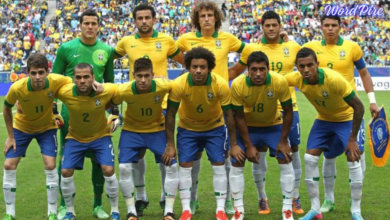
The euro 2008 qualification was a defining stage for European football, as 50 national teams competed fiercely to secure a place in one of the continent’s most prestigious tournaments. Every match carried immense pressure, with goals and points proving decisive in shaping the path to the finals. Fans across Europe eagerly followed the qualifiers, anticipating thrilling encounters and unexpected results.
The euro 2008 qualification phase was particularly important for England, a team with a rich footballing history and high expectations. Each fixture tested the squad’s skill, strategy, and mental resilience. As teams battled for points, the qualifiers highlighted emerging talents, tactical brilliance, and occasional surprises, setting the stage for an unforgettable tournament.
Understanding Euro 2008 Qualification
The euro 2008 qualification process was structured to ensure a competitive and fair competition. Teams were divided into seven groups, playing home-and-away matches against each opponent. The top two teams from each group earned direct qualification to the finals, while Austria and Switzerland automatically qualified as hosts. This created a highly competitive environment where every point mattered.
This system emphasised consistency and strategic planning, as even a single loss could dramatically affect a team’s chances. The euro 2008 qualification required squads to balance offensive and defensive tactics while maintaining peak performance throughout the campaign. Teams needed careful preparation and adaptability to overcome the challenges posed by different opponents and playing conditions.
Group Stage Analysis
During the euro 2008 qualification, several groups provided dramatic and memorable encounters. Germany dominated their group, achieving impressive goal tallies and showcasing their offensive prowess. Meanwhile, countries like Romania and Russia secured critical victories that allowed them to advance despite tough competition. The group stage highlighted both expected results and surprising outcomes.
Some groups witnessed shocking eliminations, emphasising the unpredictable nature of European football. Smaller nations often challenged football giants, creating tense and competitive matches. Every fixture in the euro 2008 qualification phase could shift the balance of a group, demonstrating the importance of preparation, strategy, and mental toughness across all teams.
England Euro 2008 Qualification Journey
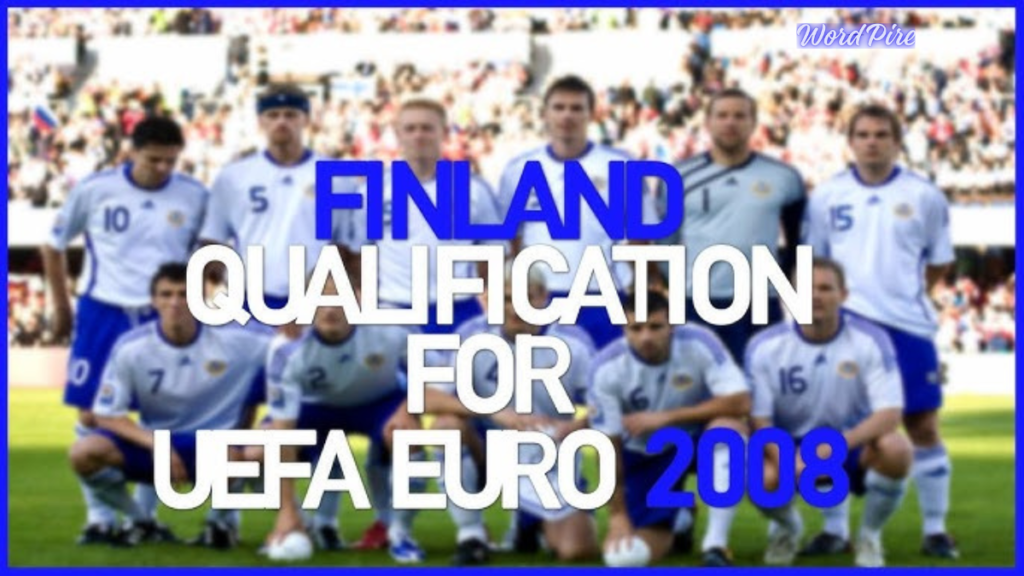
England’s euro 2008 qualification campaign was closely observed by fans and media worldwide. Placed in a challenging group with Croatia, Russia, and other competitive teams, England faced immense pressure to perform consistently. Early matches offered hope, but crucial losses against key opponents ultimately hindered their chances, reflecting the difficulty of navigating the qualifiers successfully.
Despite talented players and strategic plans, England’s campaign revealed vulnerabilities in both defence and attack. Key moments, such as missed opportunities and late goals conceded, significantly affected the team’s overall performance. The euro 2008 qualification journey for England highlighted the fine margins that can determine success or failure in high-level football competitions.
Notable Performances and Upsets
The euro 2008 qualification was filled with remarkable performances and unexpected outcomes. Germany’s overwhelming dominance captured headlines, while Romania and Russia produced crucial wins that surprised many fans. These moments demonstrated the unpredictability and excitement of European qualifiers, where every team had the potential to influence the final group standings.
Some of the most shocking upsets involved traditionally strong teams failing to qualify. England’s struggles became a major talking point, while smaller nations received recognition for their resilience and determination. The euro 2008 qualification illustrated that preparation, teamwork, and mental strength are just as important as skill when competing at the highest level of European football.
Impact of Qualification on the Euro 2008 Finals
The euro 2008 qualification results had a significant impact on the finals. Teams that performed strongly entered the tournament with confidence, while unexpected qualifiers added new energy and excitement. The outcomes of the qualifiers shaped tactics, group formations, and fan expectations, influencing how each team approached the main event.
The qualification phase also affected media coverage and public interest. Analysts and coaches studied performances to understand the strengths and weaknesses of opponents. The euro 2008 qualification highlighted the importance of preparation, momentum, and consistency, proving that the road to the finals is as crucial as the tournament itself.
Conclusion
The euro 2008 qualification was a thrilling journey that showcased the skill, strategy, and determination of Europe’s finest footballing nations. Teams battled fiercely to earn their place in the finals, producing memorable matches, remarkable upsets, and emerging stars. England’s experience revealed the challenges of high-stakes competition, demonstrating that even well-regarded squads can face disappointment.
Ultimately, the euro 2008 qualification left a lasting legacy in European football. It highlighted the unpredictability and excitement that make international competitions so captivating. The qualifiers shaped the tournament, revealed talent, and set the stage for one of the most memorable European Championships in football history.
Frequently Asked Questions
Which countries qualified for Euro 2008?
Fourteen teams qualified through the euro 2008 qualification process, alongside hosts Austria and Switzerland.
How did England perform in the Euro 2008 qualifiers?
England struggled in crucial matches and ultimately failed to secure qualification, disappointing many fans.
What was the format of Euro 2008 qualification?
Fifty teams played home-and-away matches in seven groups, with the top two from each group qualifying.
Which teams caused the biggest upsets in the qualifiers?
Unexpected eliminations of traditional powerhouses and strong performances from smaller nations created the most notable upsets.
When did the Euro 2008 qualification matches take place?
The euro 2008 qualification matches were held between August 2006 and November 2007.
Also Read: Central Bank of the Islamic Republic of Iran