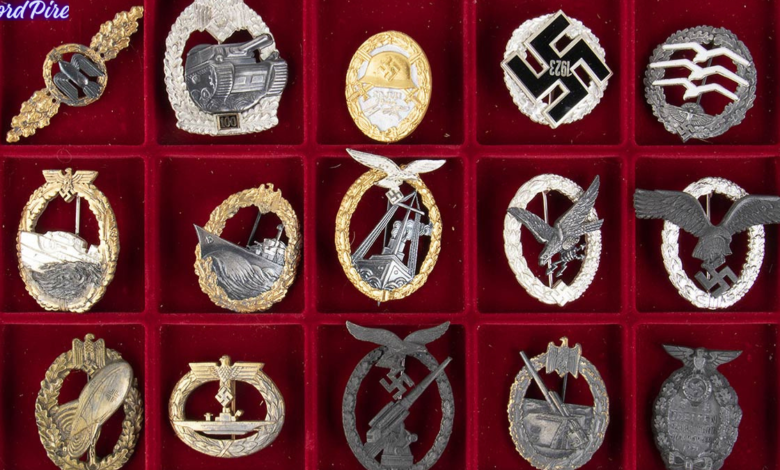
German World War 2 badges were much more than decorative pieces; they symbolised courage, service, and achievement within one of history’s most complex military structures. Worn across the army, air force, navy, and Waffen-SS, these badges reflected both rank and specific accomplishments. Today, they are highly sought after by collectors, historians, and enthusiasts interested in military heritage.
Each badge carried its own story, often tied to campaigns, units, or personal achievements. The intricate designs and careful craftsmanship demonstrate the importance placed on military recognition during the Third Reich. Understanding German World War 2 badges provides valuable insight into the culture, hierarchy, and symbolism that shaped Germany’s armed forces during the Second World War.
Historical Background of German World War 2 Badges
The origins of German World War 2 badges date back to pre-1939 military traditions, where medals and insignia were used to reward bravery, marksmanship, and long service. During the Second World War, the system expanded dramatically to cover a wide range of roles and achievements, reflecting the growing size and complexity of the Wehrmacht, Luftwaffe, and Kriegsmarine.
Badges were not only a matter of honour but also served as tools of propaganda, inspiring soldiers to display loyalty and courage. Each design carried symbolism intended to motivate troops and reinforce military discipline. For modern collectors, these historical contexts enhance the appeal and significance of German World War 2 badges, providing a deeper understanding beyond their decorative appearance.
Categories of German World War 2 Badges
German World War 2 badges were organised into multiple categories, each serving a distinct purpose. Combat badges recognised frontline bravery, while qualification badges highlighted specialised skills such as marksmanship, pilot training, or parachuting. Service and long-service awards demonstrated loyalty, dedication, and commitment to a soldier’s unit or branch.
Political and party-related badges also existed, illustrating the influence of the Nazi regime within military life. These different categories made German World War 2 badges highly structured and strictly regulated, with rules governing eligibility, design, and placement on uniforms. Collectors today can often trace badges back to their original purpose and wearer.
German Army Badges and Insignia
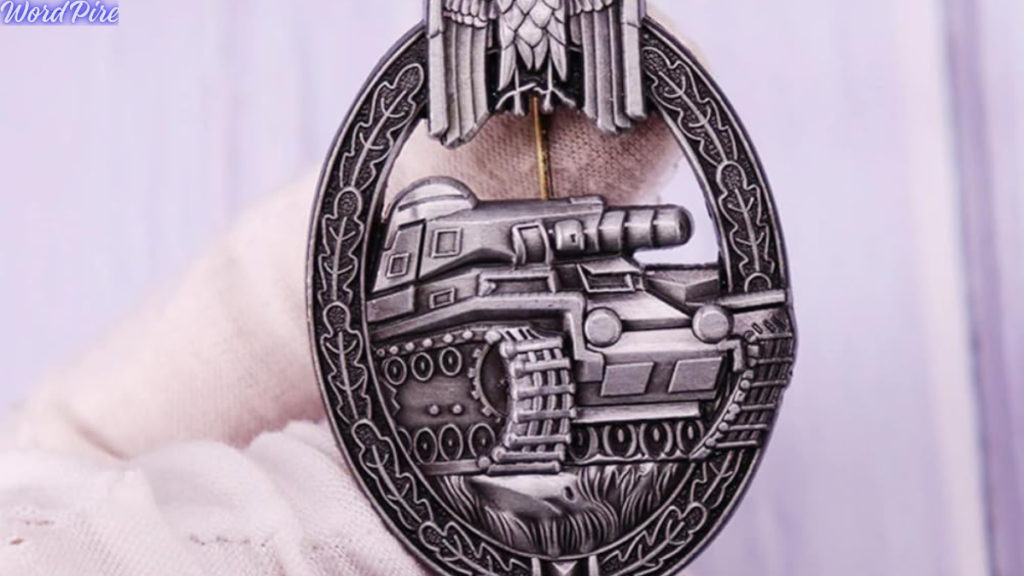
The Wehrmacht, Germany’s army, had a wide variety of badges awarded to soldiers, officers, and non-commissioned officers. These included badges for infantry, artillery, and cavalry units, such as the Infantry Assault Badge and General Assault Badge, recognising achievements in combat or specialised operations.
Rank insignia, collar tabs, and sleeve badges complemented these awards, indicating hierarchy, unit affiliation, and level of experience. Original German World War 2 badges were typically crafted from metals like tombac, zinc, or aluminium, with enamel or paint detailing. Their precise design and high-quality materials contributed to their enduring value among collectors.
Luftwaffe Badges and Air Force Insignia
Luftwaffe badges were highly symbolic and emphasised Germany’s air superiority ambitions during the war. These included the Pilot’s Badge, Observer Badge, and Paratrooper Badge, each representing skill, courage, and completion of rigorous training. Aircrew badges often featured wings, eagles, and other distinctive motifs reflecting the Luftwaffe’s identity.
The design and prestige of Luftwaffe badges differed significantly from army awards, highlighting aerial achievement rather than ground combat. Their detailed craftsmanship, along with the historical context of aviation warfare, makes these German World War 2 badges particularly interesting to historians and collectors alike.
Waffen-SS Badges and Distinctive Insignia
Waffen-SS badges were separate from the regular army and carried unique designs denoting membership, rank, and service. These included combat badges, unit shields, and rank insignia, emphasising both military skill and ideological commitment. Waffen-SS badges were often worn with pride by members and recognised elite service.
Due to their association with the Nazi regime, these badges are controversial, yet they remain historically significant. Collectors study them carefully for rarity, quality, and authenticity. Understanding Waffen-SS badges within their historical context ensures that interest remains educational rather than celebratory, preserving the lessons of history.
Materials, Manufacturing, and Design Features
German World War 2 badges were crafted from a range of metals, including zinc, tombac, and aluminium, with some featuring enamel or painted details. Manufacturing quality varied during the war, especially in the later years when shortages affected materials and consistency. Official markings and maker stamps are key indicators of authenticity.
Designs were highly symbolic, often incorporating eagles, swastikas, oak leaves, and swords, each conveying military prestige or achievement. The attention to detail in German World War 2 badges is a major reason why collectors prize original pieces, with reproductions generally lacking the same craftsmanship and historical nuance.
How German World War 2 Badges Were Worn
Proper placement of German World War 2 badges was strictly regulated, with rules specifying location on the uniform, order of precedence, and when certain badges could be displayed. Combat badges were worn on the left chest, while qualification badges or awards had defined placement according to rank and branch.
Differences also existed between parade and field uniforms, with certain badges reserved for ceremonial occasions. Understanding these regulations provides collectors and historians with context, allowing them to identify authentic badges and their intended purpose, reflecting both prestige and protocol within the German military.
Collecting and Preserving German World War 2 Badges
German World War 2 badges are highly sought after by collectors for their historical significance, rarity, and craftsmanship. Authenticity is critical, as reproductions are common. Collectors often examine maker marks, materials, and design details to confirm originality. Provenance and historical documentation enhance value and credibility.
Proper preservation is essential to maintain condition and prevent deterioration. Badges should be stored away from moisture, sunlight, and extreme temperatures. Displaying them in cases or frames protects their historical and material integrity. Studying German World War 2 badges responsibly ensures both appreciation and education for enthusiasts and historians alike.
Conclusion
German World War 2 badges are iconic symbols of military service, skill, and dedication. They provide insight into the structure and culture of the Wehrmacht, Luftwaffe, Kriegsmarine, and Waffen-SS, reflecting the achievements and roles of individual soldiers. Studying these badges helps preserve historical knowledge while supporting collectors in authenticating and valuing their items.
Frequently Asked Questions
- What are German World War 2 badges?
Military decorations awarded for service, bravery, and achievement in WWII Germany. - How many types of German World War 2 badges were issued?
Multiple types existed, including combat, qualification, service, and political badges. - Are German World War 2 badges legal to own in the UK?
Yes, owning them is legal, but displaying Nazi symbols may have restrictions. - How can collectors identify original German World War 2 badges?
By checking maker marks, materials, design details, and provenance. - Which German World War 2 badges are the rarest?
Elite combat awards, high-ranking officer badges, and limited edition unit insignia. - What materials were used to make German World War 2 badges?
Metals like zinc, tombac, aluminium, often with enamel or paint details. - Why are Waffen-SS badges controversial today?
They are associated with the Nazi regime and its ideology.
Also Read: Mozart and Prague