The great palace constantinople was the heart of the Byzantine Empire, serving as the main imperial residence for centuries. Situated in the southeastern part of ancient Constantinople, it was more than a royal dwelling; it symbolised the political, religious, and cultural power of the empire. Its grandeur and strategic location reflected the emperor’s authority and reinforced the city’s status as a centre of civilisation.
The palace also represented the intersection of politics and spirituality in Byzantine life. From grand ceremonies to everyday administrative functions, the great palace constantinople was the stage on which the empire displayed its strength. Its design and decorations emphasised imperial authority, impressing both locals and foreign dignitaries who visited the city.
Origins and Construction of the Great Palace Constantinople
The origins of the great palace constantinople date back to the reign of Constantine the Great, who founded Constantinople in 330 CE. He intended the palace to reflect both Roman imperial traditions and the emerging Christian identity of the new capital. Over time, successive emperors expanded the palace, adding halls, reception rooms, and courtyards to meet the needs of a growing imperial administration.
Construction of the great palace constantinople was never a single project but a continuous process. Each emperor contributed architectural features, from ceremonial halls to private chambers, creating a layered and complex layout. This allowed the palace to evolve with the empire, accommodating new political, religious, and cultural developments over centuries.
Architectural Design and Layout of the Great Palace Constantinople
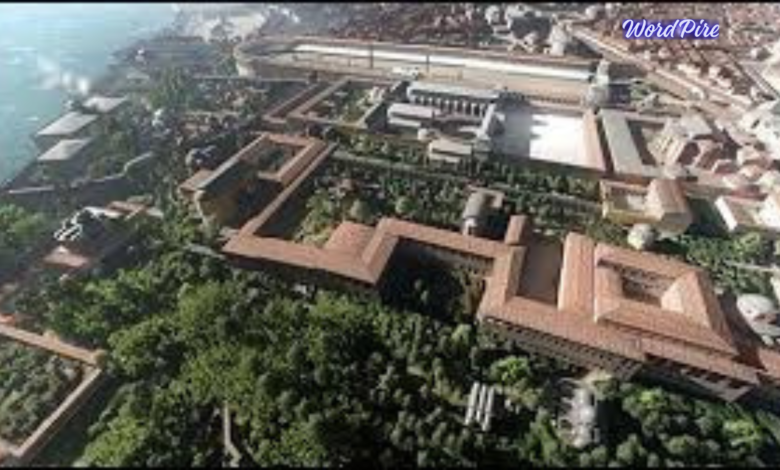
The great palace constantinople was remarkable for its sprawling design and intricate layout. It included multiple interconnected buildings, open courtyards, gardens, and terraces overlooking the Sea of Marmara. The arrangement reflected Roman palace traditions while showcasing unique Byzantine innovations, including mosaic floors, ornate columns, and elaborate frescoes that highlighted the empire’s artistic achievements.
Beyond practicality, the architectural style of the great palace constantinople conveyed symbolic messages. Golden mosaics, decorative walls, and marble staircases were designed to impress visitors and demonstrate the emperor’s wealth and power. Every feature was carefully planned to combine function with visual grandeur, reinforcing the central authority of the Byzantine ruler.
Political and Ceremonial Role of the Great Palace Constantinople
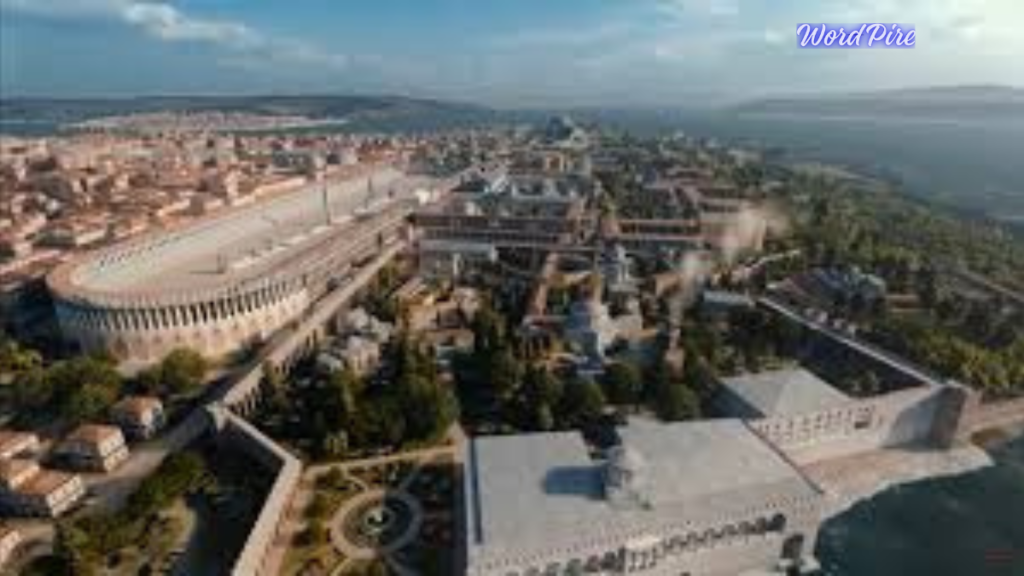
The great palace constantinople was the administrative and political hub of the Byzantine Empire. Emperors issued decrees, held council meetings, and received foreign envoys within its walls. The palace provided a controlled environment where imperial authority could be exercised efficiently, ensuring that the government operated smoothly and the emperor maintained direct oversight of all critical affairs.
Ceremonial functions were equally important in the great palace constantinople. Coronations, triumphal receptions, and official banquets were meticulously organised to display the empire’s hierarchy and reinforce loyalty among courtiers. These ceremonies projected stability and power, communicating the grandeur of Byzantium to both domestic audiences and visiting dignitaries.
Religious Significance Within the Great Palace Constantinople
Religion was central to life in the great palace constantinople. Several churches and chapels existed within the complex, enabling emperors to participate in daily worship and religious festivals without leaving the palace. The integration of sacred spaces into the palace underscored the emperor’s role as both a political and spiritual leader, reinforcing the divine nature of imperial authority.
The palace also hosted important religious ceremonies that intertwined faith and statecraft. Processions, blessings, and liturgical events were conducted in the palace halls, demonstrating the close relationship between the church and the Byzantine monarchy. This religious significance contributed to the palace’s reputation as a sacred space as well as a political centre.
Decline and Abandonment of the Great Palace Constantinople
The great palace constantinople began to decline after the eleventh century as emperors gradually moved to other residences, particularly the Palace of Blachernae. Changing political dynamics, including internal conflicts and external threats, reduced the palace’s prominence. Its once-vital role as the epicentre of imperial administration slowly diminished.
The Fourth Crusade in 1204 caused further destruction, with looting and damage accelerating the palace’s decay. Later Ottoman occupation saw additional dismantling of structures. By the late medieval period, much of the great palace constantinople had vanished, leaving behind only fragments of its former grandeur. Yet, it continued to occupy a central place in historical memory.
Archaeology and Surviving Remains of the Great Palace Constantinople
Archaeological excavations in modern Istanbul have revealed parts of the great palace constantinople, offering insight into its historical layout and decorative elements. Foundations, mosaic floors, and remnants of walls provide clues about the palace’s size and complexity. These findings help historians reconstruct the grandeur and daily functioning of the imperial complex.
One of the most notable remnants is the Great Palace Mosaic Museum, where intricately designed mosaics depict animals, mythological scenes, and courtly life. These mosaics demonstrate the palace’s artistic sophistication and allow visitors to appreciate the wealth, taste, and cultural influence of Byzantine emperors who once ruled from the great palace constantinople.
Legacy and Historical Importance of the Great Palace Constantinople
The great palace constantinople has left a lasting legacy in both architecture and historical study. Its ceremonial functions influenced later European palaces, while its administrative organisation provided a model for centralized imperial governance. The palace’s art, mosaics, and architectural innovations continue to inspire historians and archaeologists.
Modern scholarship highlights the great palace constantinople as a symbol of Byzantine civilisation. It reflects the empire’s blending of political power, religious authority, and artistic achievement. Although much of the physical structure is gone, its impact on cultural memory and the study of medieval empires remains profound.
Conclusion
The great palace constantinople was far more than a royal residence; it was a symbol of Byzantine power, faith, and culture. Through its architecture, ceremonies, and art, the palace defined imperial authority and shaped the identity of Constantinople itself. Its influence extended far beyond its walls, leaving an enduring legacy in European and world history.
Despite centuries of decline and destruction, the great palace constantinople continues to captivate scholars, historians, and visitors alike. Its story tells of an empire at the height of power, blending political strategy, religious devotion, and artistic excellence into a single monumental complex.
Frequently Asked Questions
What was the great palace constantinople used for?
It served as the main residence and administrative centre of Byzantine emperors.
Where was the great palace constantinople located?
In the southeastern part of ancient Constantinople, now Istanbul’s Fatih district.
Who built the great palace constantinople
It was founded by Constantine the Great and expanded by later emperors.
Is the great palace constantinople still standing today?
Most of it is gone, but some mosaics and ruins survive.
What happened to the great palace constantinople?
It declined after the 11th century and was damaged during the Fourth Crusade.
Can visitors see remains of the great palace constantinople?
Yes, fragments and mosaics are displayed at the Great Palace Mosaic Museum.
Also Read: Nimrod Aston Martin