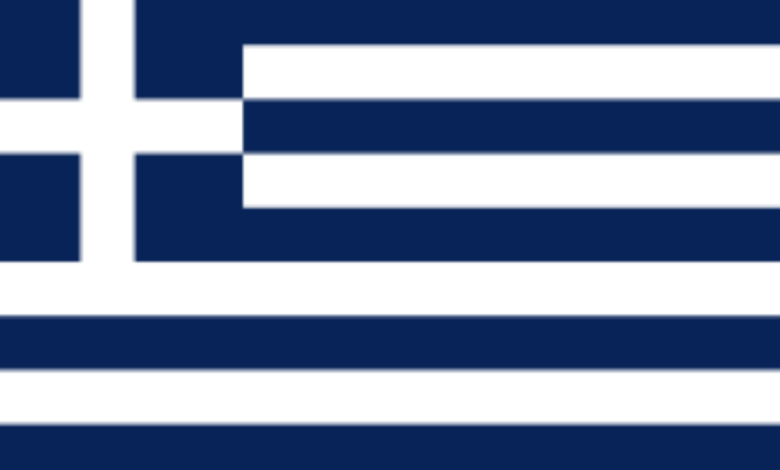
The Greece flag is one of the most recognised symbols of national identity in the world. Featuring nine horizontal stripes alternating between blue and white, and a white cross on a blue canton, the Greece flag reflects the country’s history, culture, and values. The blue colour represents the sky and the Aegean Sea, while white signifies purity and the ongoing struggle for freedom. The flag is widely used during national celebrations and proudly displayed by Greek communities worldwide.
Beyond its visual appeal, the Greece flag carries deep symbolism connected to the country’s past. From ancient Greece to modern times, the flag has been a unifying emblem of Greek identity. People often search for Greece flag images or printable versions for educational projects, events, or crafts. Even digitally, the Greece flag emoji is a popular way to express pride and connection to Greece, both online and in messages.
History of the Greece Flag
The history of the Greece flag dates back to the early 19th century during the Greek War of Independence. As Greeks fought to free their land from Ottoman rule, the flag became a symbol of unity, hope, and resistance. Ancient Greece flags, although different in design, inspired many elements seen in the modern Greece flag. Over the years, minor adjustments refined the design until the current version was officially adopted in 1978.
Understanding the history of the Greece flag helps explain its significance in Greek culture today. Museums, schools, and cultural events often showcase the Greece flag to illustrate the country’s long journey toward independence and self-determination. Collectors and enthusiasts frequently seek historical versions or Greece flag images to preserve the legacy of Greek symbols for future generations.
Design and Symbolism
The Greece flag features nine horizontal stripes of blue and white, with a blue canton in the top-left corner that bears a white cross. The cross represents the Greek Orthodox Church, reflecting the religious faith that played a central role in the country’s history. The nine stripes are said to represent the Greek national motto, “Freedom or Death,” highlighting the importance of independence.
Colours and design are central to the Greece flag’s symbolism. Blue evokes the sky and sea surrounding the country, while white reflects purity and the noble ideals of freedom and patriotism. Many people search for Greece flag images or printable versions to understand the symbolism in a visual format. This combination of design and meaning makes the Greece flag both striking and culturally significant.
Modern Uses and Variations
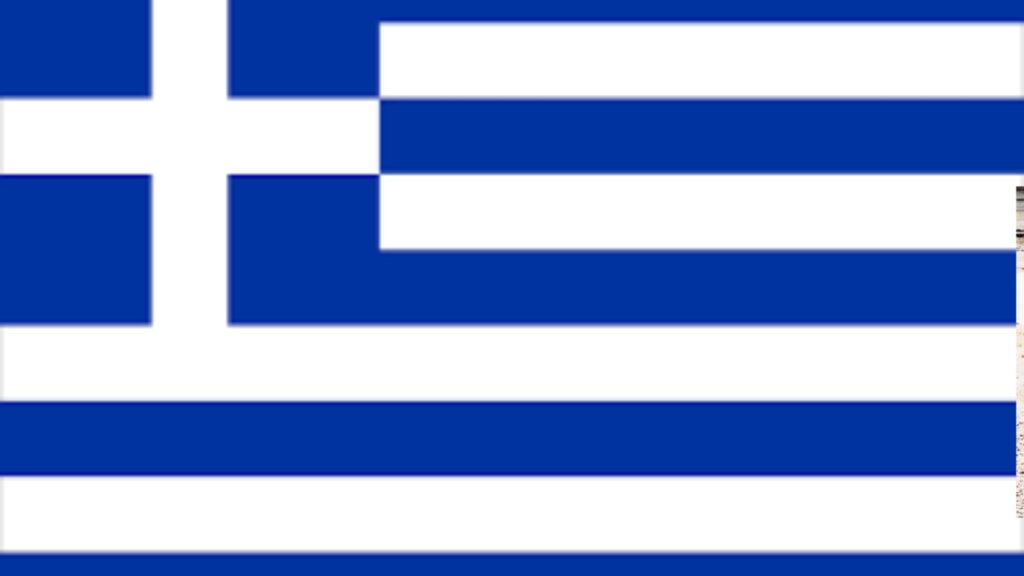
Today, the Greece flag appears in a wide range of modern contexts. Government buildings, schools, and public spaces display it proudly during national holidays and special events. Greek communities around the world often raise the Greece flag during cultural festivals or sporting competitions, symbolising national pride and identity. Additionally, the Greece flag emoji is widely used in social media, messages, and digital content to show support for Greece.
Printable Greece flag versions are popular for educational projects, crafts, and cultural displays. Creative adaptations, like novelty Greece flag toilet paper, show the fun side of the flag while maintaining its recognisable design. Whether for official use or casual enjoyment, the Greece flag remains a versatile symbol that connects people to Greek heritage and history.
Greece Flag Around the World
The Greece flag is celebrated not only in Greece but also internationally. It is a common sight at global sports events, Greek community gatherings, and cultural festivals. Tourists and enthusiasts often capture Greece flag images as souvenirs or to share the beauty of the design online. The flag serves as a symbol of national pride that resonates beyond Greek borders.
Digital representation of the Greece flag has also grown in popularity. The Greece flag emoji allows people to express pride instantly in posts, messages, or social media content. From printed flags to emojis and digital images, the Greece flag continues to unite people with Greek heritage, culture, and history across the globe.
Collecting and Displaying the Greece Flag
Displaying the Greece flag correctly is an important tradition. Many households, schools, and organisations follow etiquette guidelines when raising the flag to ensure respect for its symbolism. Collectors often seek authentic flags, historical Greece flag images, or high-quality prints for educational or decorative purposes. DIY or printable versions are also used in classrooms and cultural events to introduce children to the flag’s meaning.
The Greece flag is more than a piece of fabric; it is a representation of national identity. Whether displayed on a pole, printed for an event, or shared digitally, the Greece flag should be treated with care and respect. Understanding the cultural significance behind the design ensures that the flag is appreciated as a symbol of heritage, freedom, and unity.
Fun Facts and Trivia
The Greece flag has many fascinating facts that highlight its unique history. The nine stripes correspond to the Greek national motto, while the cross represents the Orthodox faith. Ancient Greece flags influenced modern designs, showing how tradition has endured. The flag has even inspired novelty items, including Greece flag toilet paper, which shows its playful cultural presence.
People often search for Greece flag images, printable versions, or emojis to celebrate Greek heritage in creative ways. From school projects to cultural events, the Greece flag continues to inspire admiration and pride. Its symbolism remains timeless, connecting modern Greece with its rich historical past through a simple yet powerful design.
Conclusion
The Greece flag is a symbol of history, culture, and national pride. Its blue and white stripes and the cross reflect centuries of struggle, faith, and resilience. From historical origins to modern digital representations, the Greece flag remains a universally recognised emblem of Greece. Understanding its design and symbolism helps people appreciate the importance of this iconic flag, whether seen on a pole, in a printable format, or as an emoji.
Frequently Asked Questions
What does the Greece flag represent?
It represents Greece’s history, freedom, and national pride.
How many stripes are on the Greece flag?
There are nine horizontal stripes on the Greece flag.
What is the significance of the cross on the Greece flag?
The cross symbolizes the Greek Orthodox faith.
Can I use a printable Greece flag for school projects?
Yes, printable Greece flags are widely used for educational purposes.
What is the Greece flag emoji used for?
It is used to show Greek pride online or in messages.
When was the current Greece flag officially adopted?
The current design was officially adopted in 1978.
Were there flags in ancient Greece?
Yes, ancient Greece had symbolic flags and banners, different from today’s design.
How do I display the Greece flag correctly?
The Greece flag should be raised respectfully with the blue canton on the top-left.
Are there novelty Greece flag items like toilet paper?
Yes, creative novelty items like Greece flag toilet paper exist.
Where can I find high-quality Greece flag images?
High-quality Greece flag images are available online on stock photo and educational sites
Also Read: Randolph Churchill