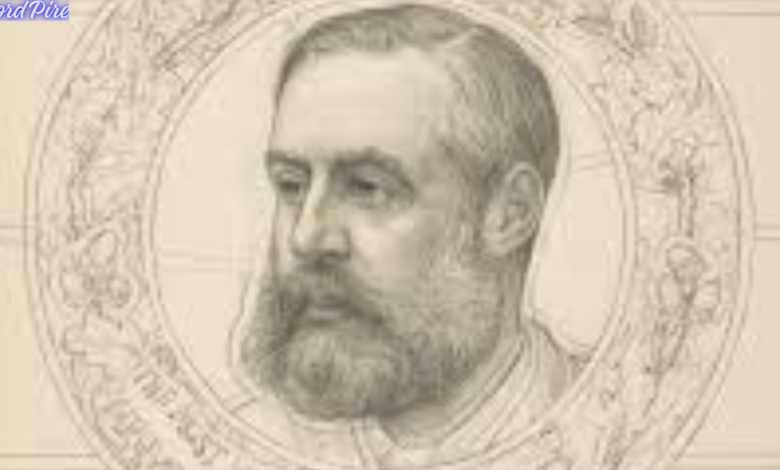
John Patrick Crichton Stuart, 3rd Marquess of Bute, stands as one of the most influential Scottish aristocrats of the Victorian era. Born on 12 September 1847 at the grand Mount Stuart estate, he inherited immense wealth and responsibility at just six months old. Despite his infancy, the circumstances of his birth thrust him into a world of privilege, obligation, and public expectation, shaping the remarkable life that followed.
From an early age, john patrick crichton stuart was groomed to manage vast estates and uphold the family’s aristocratic traditions. His education combined rigorous academic learning with exposure to culture, architecture, and philanthropy. This early immersion prepared him to handle both the practical challenges of managing industrial and land holdings and the societal expectations placed upon a prominent Scottish nobleman.
Early Life and Family Background
The Crichton-Stuart family held a long and prestigious lineage in Scotland, and john patrick crichton stuart was born into a world of influence and wealth. His father, the 2nd Marquess of Bute, and his mother, Sophia Crichton-Stuart, provided him with a heritage that included vast estates, cultural connections, and political prominence. Mount Stuart, his birthplace, symbolised both his family’s legacy and the responsibilities that would define his life.
Education and mentorship played a vital role in his formative years. John patrick crichton stuart received private tutoring that covered literature, history, and leadership, equipping him with the knowledge necessary to navigate aristocratic and public life. This nurturing environment instilled a deep appreciation for cultural preservation and civic duty, laying the foundation for his future philanthropic and societal contributions.
Inheritance and Responsibilities
John patrick crichton stuart inherited his title and vast wealth as an infant, a circumstance that made him one of the richest individuals of his era. His estates spanned Scotland and beyond, encompassing industrial enterprises, agricultural holdings, and architectural treasures. The management of such assets required foresight, discipline, and strategic thinking, all qualities that the young marquess developed as he matured.
The enormous responsibilities of his inheritance extended beyond financial matters. John patrick crichton stuart was expected to maintain the family’s social and cultural influence, including overseeing charitable projects, supporting the arts, and participating in civic affairs. Balancing these obligations with personal pursuits shaped his character and established him as a thoughtful, forward-looking leader.
Career, Industrial Achievements, and Public Service
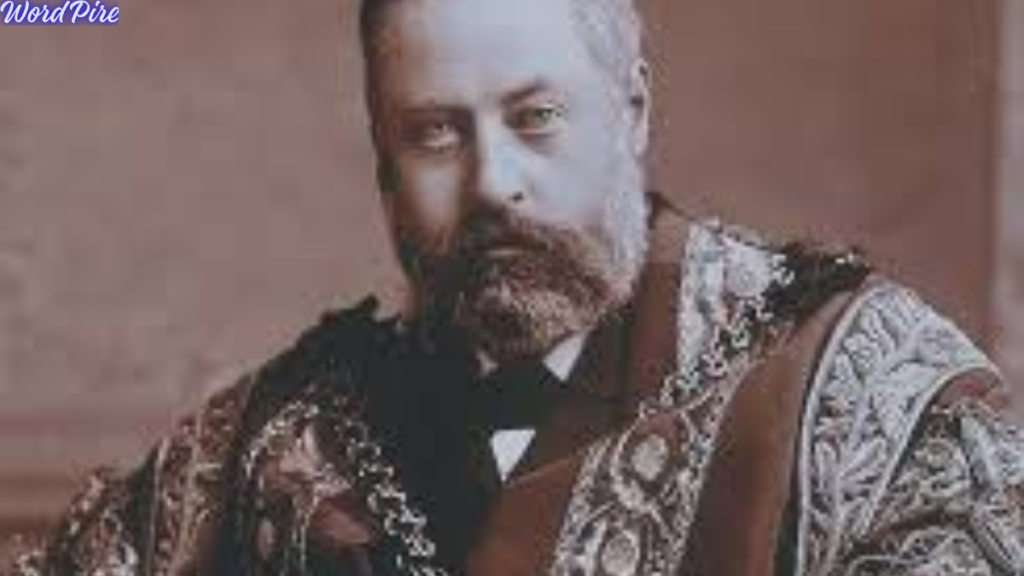
Throughout his life, john patrick crichton stuart demonstrated remarkable business acumen and civic responsibility. He invested in industrial ventures, helping to develop Scottish infrastructure and supporting local economies. His management of estates was not solely focused on wealth but also on improving the communities under his care, blending aristocratic privilege with tangible public benefit.
Philanthropy remained central to his career. John patrick crichton stuart was a patron of the arts, funding architectural restorations, supporting educational institutions, and preserving historic sites. His civic contributions included serving as Mayor of Cardiff and Provost of Rothesay, roles that allowed him to directly influence local governance. These accomplishments highlighted his dedication to public service and his commitment to leaving a positive societal impact.
Personal Life and Interests
Beyond his public roles, john patrick crichton stuart led a life rich in culture and family devotion. He married Gwendolen Fitzalan-Howard, and together they raised children who continued the Crichton-Stuart legacy. His family life was complemented by a strong intellectual curiosity, expressed through his antiquarian studies, art collections, and historical research. These interests reflected his passion for both preserving and understanding Scottish heritage.
John patrick crichton stuart was also a notable patron of architecture and restoration projects. He invested in the maintenance and enhancement of historic buildings, ensuring that Scotland’s cultural treasures were preserved for future generations. His personal pursuits seamlessly blended with his public responsibilities, demonstrating a rare combination of wealth, taste, and societal commitment.
Legacy and Historical Significance
The contributions of john patrick crichton stuart continue to resonate in Scotland and beyond. His philanthropic efforts, support for the arts, and civic engagement left an enduring mark on the cultural and social landscape. Landmarks, restored estates, and historical projects funded by him serve as lasting reminders of his vision and generosity.
His life exemplifies the potential of privilege used responsibly. John patrick crichton stuart managed to balance immense wealth with public service, cultural patronage, and scholarly pursuits. Today, he is remembered not only for his title but for the tangible legacy he left behind, which continues to inspire historians, philanthropists, and leaders alike.
Conclusion
John patrick crichton stuart, 3rd Marquess of Bute, was more than a wealthy aristocrat; he was a visionary leader and patron of culture. His careful management of estates, dedication to philanthropy, and preservation of Scottish heritage ensured a lasting impact. His life story serves as a testament to the power of responsibility, intellect, and generosity in shaping society.
Frequently Asked Questions
- Who was John Patrick Crichton Stuart?
John patrick crichton stuart was the 3rd Marquess of Bute, a Scottish aristocrat, industrialist, and philanthropist. - What were the major achievements of John Patrick Crichton Stuart?
He was a civic leader, industrial magnate, art patron, and supporter of historic preservation projects. - When and where was John Patrick Crichton Stuart born?
He was born on 12 September 1847 at Mount Stuart, Scotland. - Who were the family members of John Patrick Crichton Stuart?
He married Gwendolen Fitzalan-Howard and had children who continued the Crichton-Stuart lineage. - Why is John Patrick Crichton Stuart historically significant?
His contributions to Scottish society, arts, philanthropy, and public service created a lasting legacy.
Also Read: Restaurant 16e Arrondissement Paris