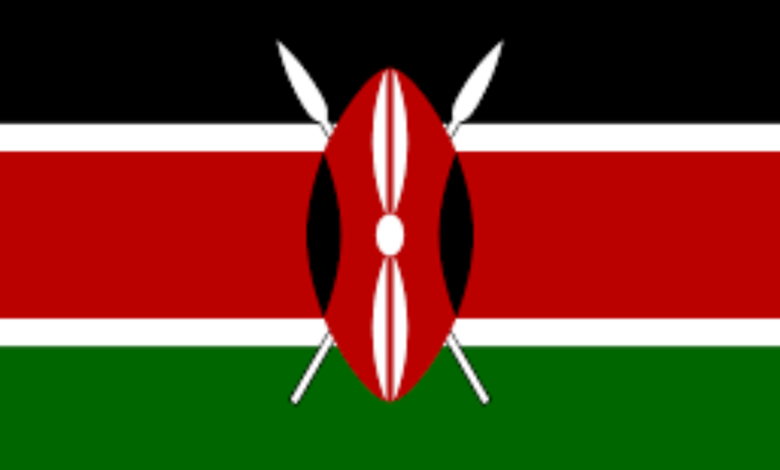
The Kenya flag is one of the most recognisable national symbols of Kenya, representing the country’s identity, pride, and independence. Adopted on 12 December 1963, the Kenya flag was created following the nation’s liberation from colonial rule. Its design is rich in history and symbolism, reflecting the struggles and achievements of the Kenyan people. From the tricolour stripes to the central Maasai shield, every element of the Kenya flag has a story to tell, making it more than just a decorative symbol.
Beyond its historical context, the Kenya flag serves as a symbol of unity for all citizens. It is widely displayed during national holidays, government ceremonies, sports events, and international occasions, connecting people with a sense of patriotism and national pride. Many search for a Kenya flag image online to appreciate its unique design, while others are curious about the deeper meaning behind the colours and symbols, which highlight Kenya’s rich cultural heritage.
History of the Kenya Flag
The Kenya flag has its roots in the struggle for independence. Before 1963, Kenya was under British colonial rule, and various flags represented different political and cultural movements. When Kenya achieved independence, the Kenya flag was officially adopted to symbolise freedom, unity, and national sovereignty. The flag’s creation was inspired by the Kenya African National Union (KANU), which had played a crucial role in the fight for liberation.
The history of the Kenya flag also reflects the resilience and determination of the Kenyan people. Over the decades, the flag has remained a symbol of the nation’s identity, appearing in schools, government buildings, and public events. By learning about the history of the Kenya flag, citizens and admirers can understand the sacrifices and dedication that went into shaping modern Kenya, making the flag a timeless emblem of pride and unity.
Kenya Flag Colours and Their Meaning
The Kenya flag is composed of three main colours: black, red, and green, separated by narrow white stripes. Black represents the people of Kenya, symbolising the unity and strength of its citizens. Red reflects the blood shed during the struggle for independence, honouring the sacrifices made by freedom fighters. Green signifies Kenya’s fertile land and natural resources, highlighting the country’s rich landscapes and agricultural wealth.
The white stripes on the Kenya flag carry an equally important message, representing peace and harmony among the nation’s diverse communities. Each colour contributes to the flag’s overall symbolism, making it a meaningful and revered national emblem. Understanding the Kenya flag colours and their significance helps foster respect for the nation’s identity while appreciating the story the flag tells about Kenya’s past and present.
Design and Symbols on the Kenya Flag

At the centre of the Kenya flag is a traditional Maasai shield with two crossed spears behind it. The shield, coloured in red, white, and black, symbolises protection and readiness to defend the country’s freedom. The crossed spears further emphasise strength, vigilance, and the spirit of resilience that is deeply ingrained in Kenya’s history and culture.
The design of the Kenya flag is more than just visual appeal; it reflects the nation’s cultural heritage. The Maasai shield represents bravery and unity, linking the modern state to traditional values. Citizens and visitors alike often seek a Kenya flag image to observe these intricate details, which make the flag an iconic representation of Kenya’s identity both locally and globally.
Variations and Representations
While the official Kenya flag remains the most recognised, there are various representations of it in modern culture. The Kenya flag appears as an emoji on digital platforms, allowing people to express national pride online. There are also creative uses of the Kenya flag in merchandise, including items like Kenya flag toilet roll, clothing, and decorative pieces, which reflect the flag’s popularity and symbolic value.
These variations showcase the versatility of the Kenya flag in everyday life. Digital and decorative representations help spread awareness of the flag’s design and meaning while allowing citizens and admirers to celebrate Kenyan identity in new and creative ways. Despite these adaptations, the original Kenya flag continues to hold the highest symbolic significance, maintaining its dignity and respect.
Kenya Flag in Modern Culture
The Kenya flag plays an important role in modern culture, appearing in celebrations, sports events, and national ceremonies. During events like Jamhuri Day, national sports matches, and official government functions, citizens proudly wave the Kenya flag to demonstrate unity and patriotism. Its presence serves as a reminder of the country’s achievements and the collective identity of its people.
In addition, the Kenya flag has found a place in education, international gatherings, and promotional campaigns. Schools use it to teach children about national heritage, while global events showcase it to represent Kenya internationally. The flag has become a symbol not only of history but also of contemporary Kenyan pride, connecting people with the nation’s values and cultural identity.
How to Display the Kenya Flag Correctly
Displaying the Kenya flag correctly is essential to show respect and uphold its significance. The flag should be hoisted during national events, government ceremonies, and special occasions, ensuring it does not touch the ground or become damaged. Correct display protocols are crucial for maintaining the flag’s dignity and symbolic meaning.
Citizens are encouraged to follow proper etiquette when using the Kenya flag in schools, offices, and public spaces. Observing these protocols reflects the importance of the flag in representing unity, heritage, and pride. Respectful handling ensures the Kenya flag continues to serve as a powerful national emblem for generations to come.
Conclusion
The Kenya flag is a vivid and powerful symbol of the nation’s identity, history, and cultural heritage. Its colours, design, and symbols tell the story of Kenya’s struggle for independence, unity, and pride. From official ceremonies to creative representations in digital media, the Kenya flag continues to inspire patriotism, respect, and national pride among citizens and admirers alike.
Understanding the Kenya flag’s history and symbolism allows people to appreciate its significance fully. Whether viewed as a physical flag, digital emoji, or decorative item, the Kenya flag remains a cherished emblem that embodies the resilience, heritage, and spirit of Kenya.
Frequently Asked Questions
What do the colours of the Kenya flag represent?
Black represents the people, red the struggle for independence, green the land, and white peace.
When was the Kenya flag officially adopted?
The Kenya flag was officially adopted on 12 December 1963.
What is the symbolism of the Maasai shield on the Kenya flag?
The Maasai shield represents protection, bravery, and the readiness to defend the nation.
How do you correctly display the Kenya flag?
The Kenya flag should be hoisted respectfully, never touching the ground, and flown during official events.
Can the Kenya flag be used in products like toilet rolls?
Yes, the Kenya flag is sometimes used decoratively, though respectful display is preferred.
What is the meaning behind the Kenya flag emoji?
The Kenya flag emoji symbolises national pride and represents Kenya digitally.
Are there variations of the Kenya flag for different occasions?
Yes, there are digital, emoji, and decorative variations, but the official design remains primary.
Also Read: Wisteria