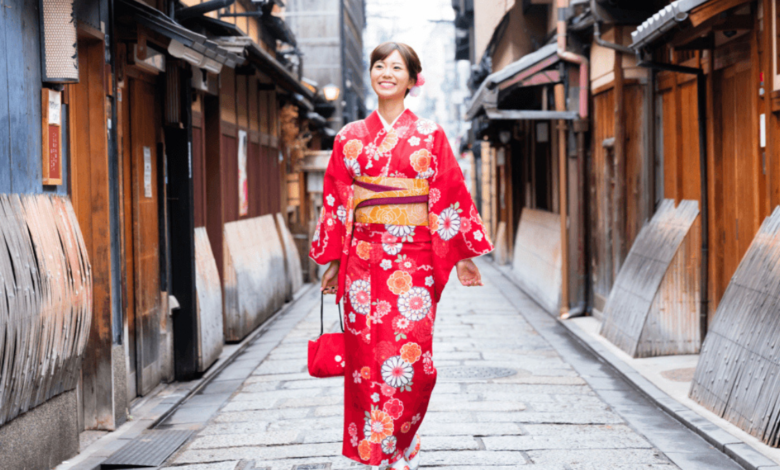
The kimono is one of the most recognisable garments in the world, deeply rooted in the cultural heritage of Japan. Known for its elegant structure and flowing silhouette, the kimono has transcended time, evolving from a daily outfit into a symbol of tradition and refined artistry. Its straight seams and layered design create a distinctive look that continues to captivate fashion lovers globally.
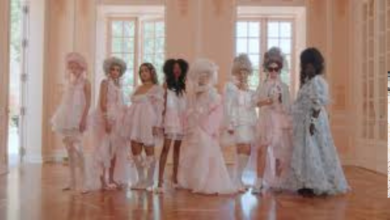
In modern times, the kimono has moved beyond its ceremonial origins and entered mainstream fashion. Designers have reinterpreted it into contemporary styles such as jackets, robes, and dresses, making it accessible to a wider audience. This transformation has ensured that the kimono remains relevant, blending historical significance with present-day trends across the UK and beyond.
History of the Japanese Kimono
The origins of the kimono can be traced back to ancient Japanese court attire, where clothing signified social rank and seasonal changes. Over centuries, the garment evolved into a standardised form, characterised by its T-shaped structure and intricate patterns. Each design element, from fabric to colour, carried symbolic meaning, reflecting the wearer’s identity and status within society.
As Japan embraced modernisation during the late nineteenth century, Western clothing began to replace traditional garments in everyday life. However, the kimono retained its cultural importance and became reserved for special occasions such as weddings and festivals. This shift preserved its legacy, allowing it to remain a cherished emblem of Japanese tradition while influencing global fashion narratives.
Types of Kimono and Their Uses
There are various types of kimono, each designed for specific occasions and purposes. Formal styles are often worn during ceremonies and feature elaborate patterns and long sleeves, while casual versions are simpler and more practical. Modern adaptations such as kimono jackets and kimono dresses have gained popularity, offering a versatile option for everyday wear.
Understanding the difference between yukata and traditional kimono is essential for appreciating their uses. Yukata are typically made from lightweight cotton and worn during summer festivals, whereas traditional styles are crafted from silk and reserved for formal events. Contemporary interpretations, including kimono cardigans and dressing gowns, highlight how this timeless garment continues to adapt to modern lifestyles.
Fabrics, Colours and Design Variations
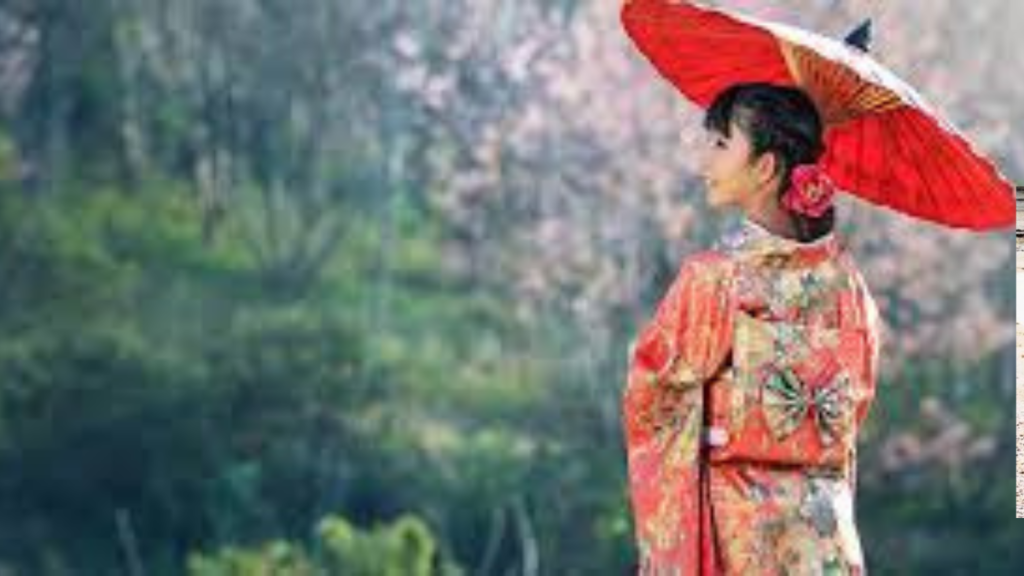
The beauty of a kimono lies in its fabric and design. Traditional garments are often made from luxurious silk, which enhances their elegance and durability. Modern variations, however, use cotton and synthetic blends to provide comfort and affordability. These materials allow the kimono to be worn in different climates and settings, making it more accessible to global audiences.
Colours and patterns also play a vital role in defining the character of a kimono. A black kimono often represents formality and sophistication, while a white kimono symbolises purity and is commonly worn during ceremonial events. From intricate floral prints to minimalist modern designs, the wide range of options ensures that there is a style to suit every taste and occasion.
Kimono for Men and Women
Kimono designs vary significantly between men and women, reflecting both tradition and practicality. Women’s styles typically feature longer sleeves, vibrant colours, and detailed patterns, while men’s versions are more understated, often in darker tones with minimal decoration. These distinctions highlight the cultural nuances embedded within the garment’s design.
In recent years, the boundaries between male and female fashion have become more fluid, leading to the rise of gender-neutral kimono styles. Male kimono and modern interpretations are now embraced in both traditional and contemporary settings. This evolution demonstrates how the kimono continues to adapt, maintaining its heritage while appealing to a diverse audience.
Key Components of a Kimono Outfit
A traditional kimono outfit consists of several essential components that work together to create a harmonious look. The most important element is the obi, a wide sash that secures the garment and adds structure. The way the obi is tied can vary depending on the occasion, showcasing different levels of formality and style.
Additional elements include undergarments, accessories, and footwear that complement the overall outfit. Each component is carefully chosen to enhance the aesthetic and maintain balance. Understanding these details not only deepens appreciation for the kimono but also highlights the craftsmanship and precision involved in its creation.
How to Wear and Style a Kimono
Wearing a kimono correctly involves a specific technique, with the left side always wrapped over the right. This traditional method ensures both comfort and cultural accuracy, reflecting the importance of etiquette in Japanese dress. Securing the garment with an obi completes the look, creating a polished and elegant appearance.
Modern styling offers greater flexibility, allowing the kimono to be incorporated into everyday fashion. It can be worn as a lightweight jacket, styled as a beach kimono, or paired with contemporary outfits for a unique look. These versatile options make it easy to embrace the kimono while adapting it to current fashion trends in the UK.
Modern Kimono Trends in the UK and Global Fashion
The kimono has become a significant influence in UK fashion, where it is valued for its versatility and timeless appeal. Designers have introduced innovative styles that combine traditional elements with modern aesthetics, resulting in garments that are both stylish and practical. From casual streetwear to high-end collections, the kimono continues to inspire creativity.
Globally, the kimono remains a symbol of cultural fusion, bridging the gap between tradition and innovation. Its distinctive design has been embraced by fashion enthusiasts and designers alike, ensuring its place in contemporary wardrobes. This ongoing evolution highlights the enduring relevance of the kimono in a rapidly changing fashion landscape.
Buying Guide: Choosing the Right Kimono
Selecting the right kimono involves considering factors such as fabric, fit, and purpose. Silk options are ideal for formal occasions, offering a luxurious feel and elegant appearance, while cotton and blended fabrics provide comfort for casual wear. Understanding these differences helps buyers make informed decisions that suit their needs.
With the rise of online shopping, finding a kimono has become easier, particularly in the UK market. Buyers should focus on quality craftsmanship, authentic designs, and reliable retailers. Investing in a well-made kimono ensures durability and style, making it a valuable addition to any wardrobe.
Conclusion
The kimono stands as a timeless representation of cultural heritage and artistic expression. Its journey from traditional Japanese attire to a global fashion staple reflects its adaptability and enduring appeal. By blending history with modern trends, the kimono continues to inspire designers and fashion enthusiasts around the world.
As fashion evolves, the kimono remains a symbol of elegance and versatility. Whether worn in its traditional form or adapted for contemporary style, it holds a unique place in global fashion. This balance between tradition and innovation ensures that the kimono will continue to captivate and inspire for generations to come.
Frequently Asked Questions
What is the difference between a kimono and a yukata?
A yukata is a lightweight, casual garment usually worn in summer, while a kimono is more formal and often made from heavier fabrics like silk.
Can men wear kimono in modern fashion?
Yes, men’s kimono styles are widely accepted and increasingly popular in both traditional and modern fashion settings.
What does the kimono sash do?
The kimono sash, known as the obi, secures the garment and adds structure and decorative detail to the outfit.
How do you style a kimono casually?
A kimono can be styled with jeans, simple tops, or worn as a lightweight outer layer for a relaxed yet fashionable look.
Are kimono dresses suitable for formal occasions?
Yes, depending on the fabric and design, kimono dresses can be worn for both formal and semi-formal events.
Also Read: Cast of Regretting You