Lara Logan Egypt became one of the most talked-about incidents in modern journalism during the Egyptian Revolution of 2011. As a veteran CBS correspondent, Logan was reporting from Tahrir Square during the celebrations following Hosni Mubarak’s resignation. Her coverage aimed to capture a historic moment, yet she found herself in a dangerous situation that would forever change the way journalists approach conflict reporting in volatile regions.
The attack on Lara Logan Egypt highlighted the extreme risks faced by journalists, especially female reporters, covering public uprisings. Surrounded by a violent mob, Logan was physically and sexually assaulted. Her ordeal received global attention, prompting widespread discussions about journalist safety, media ethics, and the responsibility of news organisations to protect their staff during conflict and civil unrest.
Who is Lara Logan
Lara Logan Egypt is closely tied to the profile of a journalist renowned for fearless reporting. Born in South Africa, Logan built her career across television and radio, later becoming one of CBS News’ most respected correspondents. Her early reporting assignments included dangerous conflict zones such as Iraq and Afghanistan, establishing her reputation as a dedicated war correspondent unafraid to risk personal safety to deliver accurate, impactful stories from the frontlines.
Before the Tahrir Square attack, Lara Logan Egypt had already earned global recognition for her investigative reporting. Her work often focused on human suffering during war and political crises. Logan’s experience, courage, and commitment made her the ideal journalist to cover the 2011 Egyptian Revolution. Yet it also placed her in extraordinary danger, exposing the risks journalists face when covering mass public demonstrations in unstable environments.
Background to the Egyptian Revolution
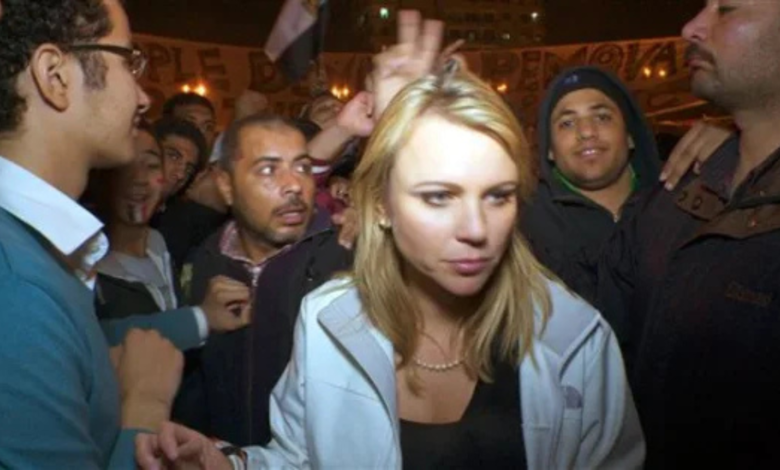
The Egyptian Revolution of 2011 marked a turning point in the country’s political history. Mass protests erupted in Tahrir Square demanding Hosni Mubarak’s resignation, igniting a nationwide movement calling for political reform. Lara Logan Egypt was present to document these historic events, capturing the jubilant yet chaotic atmosphere of a society in transition. The political unrest, however, created a volatile environment where even seasoned journalists faced unprecedented risks.
Protests in Tahrir Square were unpredictable, with large crowds and sporadic outbreaks of violence. Lara Logan Egypt witnessed the challenges of reporting in such circumstances firsthand. Journalists had to navigate a mix of celebration, anger, and aggression, often without sufficient security. Her experience highlighted the dangers of field reporting in unstable regions and underlined the need for stringent safety measures when covering political uprisings.
The 2011 Tahrir Square Attack
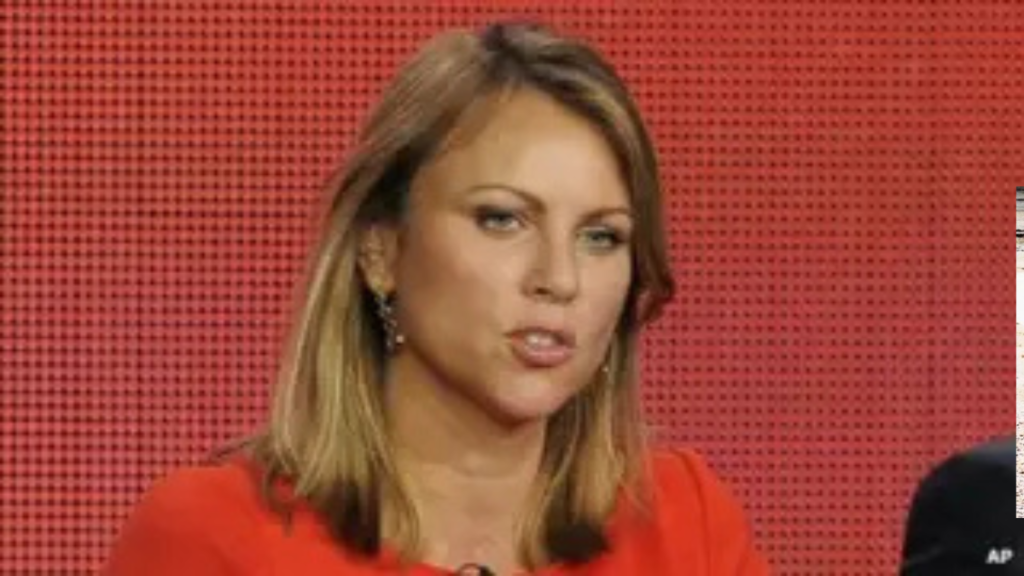
Lara Logan Egypt is most remembered for the horrifying assault she endured on the night of Mubarak’s resignation. A mob of over 200 people surrounded her, separating her from her crew and security personnel. Logan was physically beaten and sexually assaulted in a sustained attack, causing both physical and emotional trauma. She was later rescued by Egyptian women and soldiers, and hospitalised upon returning to the United States.
The assault on Lara Logan Egypt revealed the heightened vulnerabilities female journalists face during civil unrest. The incident demonstrated how quickly a chaotic environment could turn violent, even for experienced reporters. Logan’s survival depended on the courage of bystanders, showcasing the vital role ordinary citizens play in safeguarding journalists. The event remains a case study in managing risk while reporting in conflict zones.
Media Coverage and Public Reaction
International media quickly reported on the attack, making Lara Logan Egypt a central topic of discussion. Major outlets, including CBS, BBC, and CNN, covered the story extensively, sparking debates about the safety of journalists in unstable regions. The public response was a mix of outrage and sympathy, with many recognising the dangers faced by reporters during political upheaval. The incident also reignited conversations about sexual violence in large crowds.
Social media played a crucial role in amplifying Lara Logan Egypt’s story. Clips, interviews, and reports spread rapidly online, creating global awareness of the assault. News organisations subsequently reviewed their safety protocols for field reporting, particularly for female journalists in high-risk situations. The incident remains a key reference point in discussions about journalist protection and reporting ethics during protests and revolutions.
Lara Logan’s Personal Account
Following the assault, Lara Logan Egypt spoke candidly about her experience, describing the terrifying moments and the aftermath. She highlighted the urgent need to address sexual violence against journalists and stressed the importance of breaking the silence surrounding such attacks. Her openness provided valuable insight into the psychological impact of extreme violence on media professionals in conflict zones.
Lara Logan Egypt also emphasised the resilience required to continue reporting under dangerous circumstances. By sharing her story, she encouraged other journalists to prioritise safety while remaining committed to covering critical global events. Logan’s testimony inspired conversations about gendered risks in journalism and highlighted the ethical responsibility of news organisations to safeguard their employees.
Controversies and Misconceptions
The Lara Logan Egypt incident was often misreported or sensationalised by certain media outlets. Misleading claims and inappropriate content, including rumours of nudity or uncensored footage, created confusion. It is crucial to separate fact from fiction, focusing on verified reports to respect the victim and maintain journalistic integrity.
Addressing these misconceptions also helped clarify the broader context of Lara Logan Egypt. Understanding the realities of the assault without sensationalism allowed public discussions to concentrate on safety measures, media responsibility, and advocacy for journalists working in conflict zones. Accurate reporting remains essential to prevent exploitation of such incidents for shock value.
Lessons Learned and Legacy
Lara Logan Egypt highlighted significant lessons for the journalism industry. News organisations adopted stricter safety protocols for reporters in conflict zones, particularly during large public protests. The incident also raised awareness about the risks female journalists face and the importance of training, preparation, and emergency response plans when covering volatile situations.
The legacy of Lara Logan Egypt extends beyond personal survival. Her courage and advocacy influenced journalism ethics, encouraging greater protection for reporters worldwide. The incident remains a stark reminder of the dangers in frontline reporting and the need to ensure that journalists can continue their work without compromising safety.
Conclusion
Lara Logan Egypt remains one of the most significant cases highlighting the dangers faced by journalists in conflict zones. Her survival and advocacy brought attention to sexual violence during political upheaval and reshaped discussions about journalist safety. The events in Tahrir Square remind the world of the courage required to report the truth and the ongoing responsibility of media organisations to protect their staff.
Frequently Asked Questions
What happened to Lara Logan in Egypt?
Lara Logan Egypt refers to the brutal assault she experienced while reporting the Egyptian Revolution in Tahrir Square.
Was there a video of the Lara Logan Egypt incident?
Yes, some footage exists, but much has been censored due to its sensitive nature.
How did Lara Logan survive the Tahrir Square assault?
She was rescued by a group of Egyptian women and soldiers who intervened during the attack.
When did the Lara Logan Egypt attack occur?
The assault occurred in February 2011, immediately following President Hosni Mubarak’s resignation.
What impact did the incident have on journalist safety?
Lara Logan Egypt prompted increased awareness and improved safety protocols for journalists reporting in dangerous zones.
Are there uncensored videos or pictures of Lara Logan Egypt?
While some videos exist, verified uncensored content is limited and often restricted to protect privacy and avoid exploitation.
How did Lara Logan respond after the assault?
She spoke publicly about the incident, raising awareness of sexual violence against journalists and advocating for safety reforms in conflict reporting.
Also Read: Cast of the Miracle Club