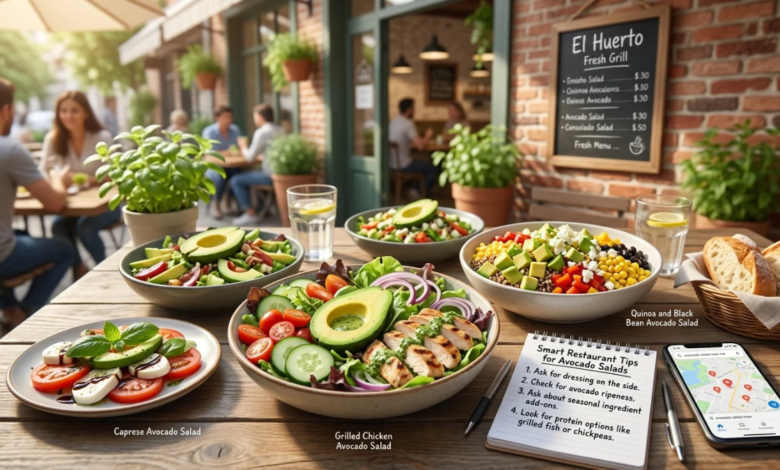
Searching for the best ensalada con palta near me has become increasingly popular among people who enjoy healthy and flavourful meals. Avocado salads are now featured in cafés, restaurants, and food delivery menus across many cities because they combine freshness, nutrition, and excellent taste in one simple dish. Many diners choose avocado salads as a healthier alternative to heavy fast food meals.
The popularity of fresh avocado salads continues to grow as more people focus on balanced eating habits and natural ingredients. Whether you prefer a classic avocado and tomato salad or a modern version with grilled chicken or seafood, finding the best ensalada con palta near me can help you enjoy a satisfying meal that supports a healthy lifestyle while delivering incredible flavour and freshness.
What Is Ensalada Con Palta?
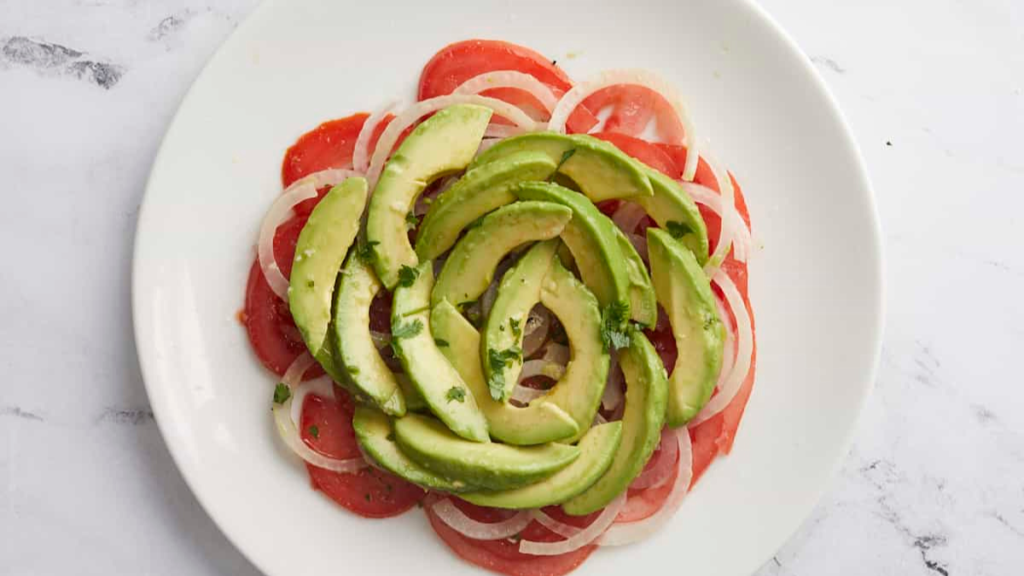
Ensalada con palta is a traditional avocado salad commonly enjoyed in several Latin American countries. The word “palta” means avocado in regions such as Chile, Peru, and Argentina, while other countries use the term “aguacate”. This refreshing salad usually contains sliced avocado mixed with tomatoes, onions, lettuce, cucumber, and a light dressing prepared with olive oil or lemon juice.
Over recent years, restaurants around the world have introduced creative versions of this classic dish to suit modern tastes and dining trends. People searching for the best ensalada con palta near me can now discover salads featuring grilled prawns, roasted vegetables, quinoa, or spicy sauces. These creative additions keep the traditional recipe fresh and exciting for today’s food lovers.
Why Avocado Salads Are Becoming So Popular
Healthy eating trends have encouraged more people to include fresh salads in their daily meals. Avocados are rich in healthy fats, vitamins, and fibre, making them one of the most nutritious ingredients available. Because of these benefits, many customers now search online for the best ensalada con palta near me when looking for healthy restaurants or fresh takeaway meals.
Social media has also increased the popularity of avocado dishes around the world. Beautiful salad presentations, colourful vegetables, and fresh ingredients make avocado salads highly appealing in food photography and online restaurant promotions. Many cafés and restaurants now focus on creating visually attractive meals to attract customers searching for fresh and healthy dining experiences.
How to Find the Best Ensalada Con Palta Near Me
Finding the best ensalada con palta near me is easier than ever thanks to online reviews, restaurant websites, and food delivery applications. Customers can compare menus, customer ratings, prices, and ingredient quality before choosing where to eat. Reading customer feedback carefully can help identify restaurants that consistently provide fresh avocados, generous portions, and excellent service.
Another important factor when choosing a restaurant is ingredient freshness. The best avocado salads are prepared using ripe avocados, crisp vegetables, and balanced dressings that enhance natural flavours without overpowering them. Restaurants that focus on healthy cuisine often invest more attention into ingredient quality, food preparation, and presentation, giving customers a more enjoyable dining experience.
Best Restaurants and Cafés for Fresh Avocado Salads
Local salad cafés are among the most popular choices for customers searching for healthy food options. These cafés often allow diners to customise salads by selecting ingredients such as chicken, tuna, seeds, cheese, or fresh herbs. Many people searching for the best ensalada con palta near me prefer independent cafés because they usually provide fresher ingredients and more personalised service.
International restaurants also offer excellent avocado salad options inspired by Mediterranean, Latin American, and fusion cuisines. These restaurants often combine traditional avocado recipes with modern flavours and creative presentation styles. Visiting different restaurants allows customers to experience a variety of avocado salads while discovering new ingredients and exciting flavour combinations.
Health Benefits of Ensalada Con Palta
Avocado salads provide several important health benefits that make them an excellent meal choice for people of all ages. Avocados contain heart-friendly fats that may support healthy cholesterol levels and improve overall wellbeing. They are also packed with vitamins, antioxidants, and fibre, making them ideal for balanced diets focused on nutrition and long-term health benefits.
Fresh salads are also helpful for maintaining energy levels and supporting healthy weight management. Combining avocado with vegetables, lean proteins, and natural dressings creates a filling meal without excessive calories or processed ingredients. This is one of the main reasons why health-conscious diners continue searching for the best ensalada con palta near me in restaurants and food delivery platforms.
Popular Variations of Ensalada Con Palta
The classic avocado salad remains one of the most loved versions because of its simplicity and refreshing taste. Traditional recipes often include tomatoes, onions, lettuce, coriander, and a light citrus dressing that highlights the creamy texture of avocado. Many people appreciate this simple version because it feels fresh, healthy, and suitable for almost any occasion or meal.
Modern restaurants now create innovative versions of avocado salad to satisfy changing customer preferences. Some recipes include grilled chicken, smoked salmon, prawns, feta cheese, or roasted vegetables for added flavour and texture. Vegan and plant-based versions have also become extremely popular, giving customers even more choices when searching for the best ensalada con palta near me online.
Why Fresh Ingredients Matter
Fresh ingredients are one of the most important factors in creating a delicious avocado salad. Ripe avocados should feel creamy and smooth while maintaining their natural flavour and texture. Crisp lettuce, juicy tomatoes, and freshly prepared dressings all contribute to the quality of the final dish and greatly improve the overall dining experience for customers.
Restaurants that prioritise fresh ingredients usually receive better customer reviews and stronger local reputations. Diners can often notice the difference immediately when ingredients are carefully selected and properly prepared. Choosing restaurants known for freshness is essential when trying to find the best ensalada con palta near me for lunch, dinner, or takeaway meals.
Conclusion
The growing popularity of avocado salads proves that people are increasingly interested in healthy, fresh, and flavourful meals. Whether enjoyed in a local café or an international restaurant, avocado salads offer an excellent combination of nutrition, taste, and creativity. Searching for the best ensalada con palta near me can help diners discover exciting new restaurants that specialise in healthy cuisine.
From traditional recipes to modern gourmet creations, avocado salads continue to attract food lovers around the world. Their nutritional benefits, fresh ingredients, and colourful presentation make them a perfect choice for modern dining. Exploring the best ensalada con palta near me is a great way to enjoy delicious meals while supporting a healthier and more balanced lifestyle.
Frequently Asked Questions
What does ensalada con palta mean?
It means avocado salad, a fresh dish made mainly with avocado and vegetables.
Is ensalada con palta healthy?
Yes, it is rich in healthy fats, fibre, and essential vitamins.
What ingredients are used in ensalada con palta?
Common ingredients include avocado, tomato, onion, lettuce, and lemon dressing.
Where can I find the best ensalada con palta near me?
You can find it in healthy cafés, salad bars, and international restaurants nearby.
Can I order ensalada con palta online?
Yes, many food delivery apps offer fresh avocado salad options.
Is ensalada con palta good for weight loss?
Yes, it is filling, low in calories, and supports healthy eating habits.
What dressing goes best with ensalada con palta?
Olive oil, lemon juice, salt, and pepper are the most common dressings.
Are there vegan versions of ensalada con palta?
Yes, most versions are naturally vegan or can be easily customised.
Why is avocado salad so popular?
Because it is healthy, tasty, and easy to prepare with fresh ingredients.
How do I choose the best ensalada con palta near me?
Check reviews, ingredient freshness, and restaurant ratings before ordering.
Also Read: lions tour 2025