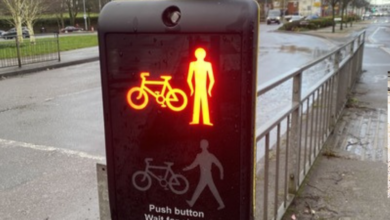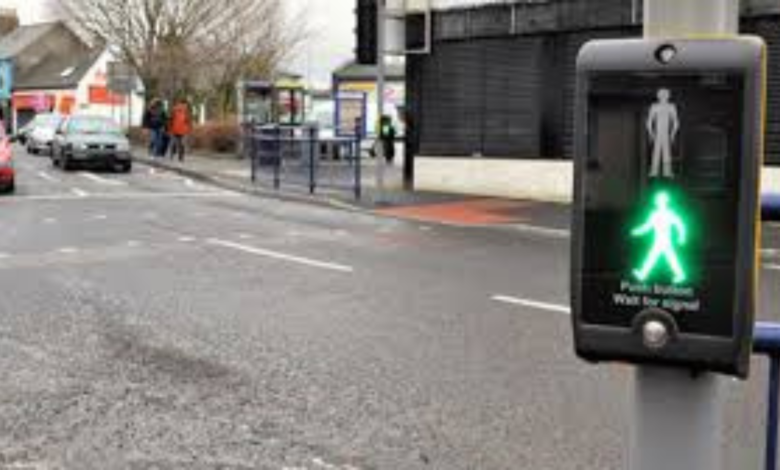
A puffin crossing, short for Pedestrian User-Friendly Intelligent crossing, is a modern and innovative type of pedestrian crossing widely used across the UK. Unlike traditional crossings, it is designed to improve pedestrian safety while maintaining smooth traffic flow. Puffin crossings use advanced sensors and intelligent traffic lights to detect waiting pedestrians and adapt the signals accordingly, reducing confusion and unnecessary delays for both walkers and drivers.
These crossings are an essential part of urban infrastructure, particularly in busy towns and cities. By placing the red and green figure signals on the same side of the road as pedestrians, a puffin crossing allows people to see traffic clearly while following the lights. This intelligent design has revolutionised how pedestrians navigate roads safely.
How a Puffin Crossing Works
A puffin crossing operates using sensors that detect when pedestrians are waiting to cross the road. These sensors calculate how long it will take each individual to cross safely and adjust the traffic lights accordingly. If someone moves slowly, the red light for vehicles remains active until the crossing is clear, ensuring pedestrian safety is never compromised.
The near-side traffic signals on a puffin crossing are also a key feature. By displaying red and green figures on the pedestrian’s side, the system allows users to monitor both the traffic and the signal at the same time. This reduces the risk of accidents and makes crossing the road a more controlled and secure experience for everyone involved.
Puffin Crossing Lights Explained
Puffin crossing lights are designed for simplicity and safety. The red figure instructs pedestrians to wait, while the green figure signals that it is safe to cross. Unlike older Pelican crossings, a puffin crossing does not use a flashing green man or amber light phase. The traffic light remains red for vehicles until pedestrians have completely cleared the crossing.
Many people often wonder, “Which colour follows the green signal at a puffin crossing?” Once pedestrians finish crossing and the green figure disappears, the traffic light switches back to green, allowing vehicles to continue. This system ensures that crossing time is accurately managed, providing a seamless flow for both pedestrians and traffic while reducing the chances of accidents.
Puffin Crossing vs Pelican Crossing
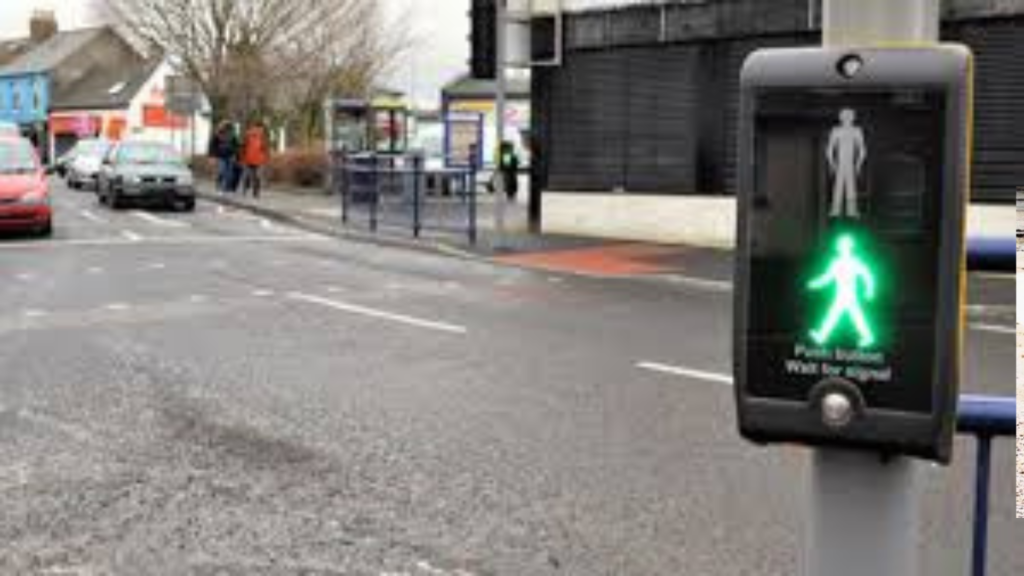
Puffin crossings are frequently compared to Pelican crossings, but several important differences set them apart. Pelican crossings use lights on the opposite side of the road and include a flashing green man phase. Puffin crossings, on the other hand, have near-side signals and use adaptive timing based on pedestrian sensors. This makes puffin crossings smarter, more responsive, and safer overall.
The adaptive technology of puffin crossings also reduces unnecessary delays for drivers. By responding to real-time pedestrian movement, the system ensures traffic only stops when needed. This efficiency, combined with improved safety, has led many urban planners to prefer puffin crossings over traditional Pelican crossings for busy roads and intersections.
Puffin Crossing vs Other UK Crossings
Puffin crossings are different from other types of UK pedestrian crossings. Toucan crossings, for instance, allow both cyclists and pedestrians to cross together, while zebra crossings rely on drivers stopping for pedestrians without lights. Puffin crossings use intelligent sensors and near-side signals, giving them a clear advantage in terms of safety, control, and efficiency.
Urban areas with high foot traffic increasingly use puffin crossings to manage busy roads. Their combination of adaptive timing, near-side lights, and sensor technology makes them ideal for both residential streets and city centres. This innovative approach ensures pedestrians have safer crossings while helping traffic flow more smoothly.
Rules and Safety Tips for Using Puffin Crossings
Pedestrians should always press the button and wait for the green figure before stepping onto a puffin crossing. Watching traffic while following the lights ensures maximum safety. For visually impaired pedestrians, puffin crossings are equipped with tactile paving and rotating cone signals that indicate when it is safe to cross.
Drivers must respect puffin crossing signals by stopping at the red figure, even if no pedestrians are immediately visible. This adherence ensures that pedestrians can cross safely without risk of accidents. Awareness of these rules and safety tips is vital for maintaining order and protecting everyone on the road.
Puffin Crossings in the UK Today
Puffin crossings are now common across towns and cities in the UK. Their intelligent design has helped improve both pedestrian safety and traffic efficiency. Urban planners continue to favour puffin crossings for areas with heavy foot traffic, busy intersections, and near schools or shopping districts where safety is critical.
With ongoing technological improvements, puffin crossings may become even more advanced in the future. Innovations such as AI-driven sensors and adaptive timing could make crossings safer and more efficient than ever. These crossings represent a major step forward in creating safer, smarter urban environments for both pedestrians and drivers.
Conclusion
A puffin crossing represents a significant advancement in road safety and traffic management. Its intelligent sensors, near-side signals, and adaptive timing make it safer and more efficient than older crossings. By understanding how to use a puffin crossing and following the rules, pedestrians and drivers can enjoy safer streets and smoother traffic, making urban travel safer for everyone.
Frequently Asked Questions
- What is a puffin crossing?
A puffin crossing is a UK pedestrian crossing with intelligent sensors and near-side traffic lights for safety. - Which colour follows the green signal at a puffin crossing?
After the green figure disappears, the traffic light turns green for vehicles. - How are puffin crossing lights different from Pelican crossing lights?
Puffin crossing lights are near-side and sensor-controlled, while Pelican lights are opposite-side with a flashing green phase. - Why is a Toucan crossing different from a puffin crossing?
Toucan crossings allow both pedestrians and cyclists to cross, unlike puffin crossings. - What safety features make puffin crossings accessible for visually impaired people?
Rotating cones and tactile paving indicate when it is safe to cross. - Are puffin crossings safer than Pelican crossings?
Yes, puffin crossings adapt to pedestrian movement, reducing confusion and accidents. - Can drivers ignore puffin crossing signals if no pedestrians are present?
No, drivers must stop when the red light is on, even if pedestrians aren’t visible.
Also Read: Toucan Crossing