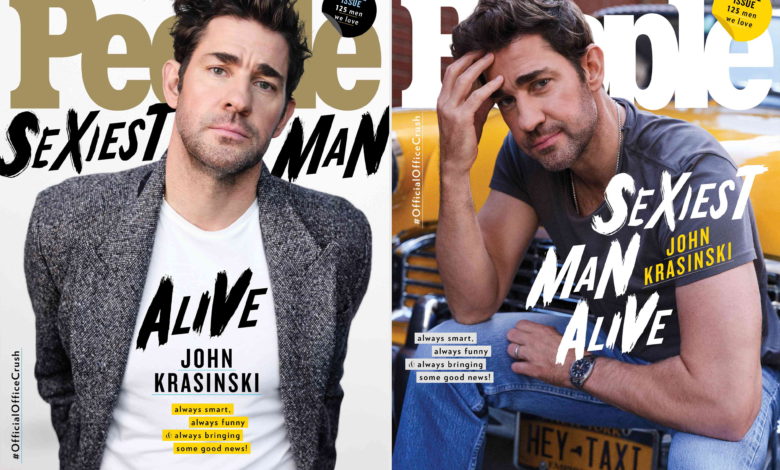
Introduction
The phrase Sexiest Man Alive has become one of the most recognizable titles in popular culture. Every year, fans eagerly wait to see which celebrity will receive this prestigious honor. While physical appearance certainly plays a role, the title has evolved far beyond good looks. Today’s audiences appreciate confidence, kindness, intelligence, talent, and authenticity just as much as an attractive face.
Over the years, the concept of the “sexiest man” has changed alongside society. Decades ago, rugged masculinity dominated the conversation. Today, people admire men who are compassionate, confident without arrogance, successful in their careers, and comfortable being themselves. This shift reflects changing cultural values and a broader understanding of attractiveness.
In this article, we’ll explore what the Sexiest Man Alive title really represents, how winners are selected, why it remains so popular, and the qualities that make someone truly deserving of this globally recognized honor.
The History Behind the Sexiest Man Alive Title
The idea of naming the Sexiest Man Alive began as a fun way to celebrate celebrities who captured public attention through their charisma and charm. Over time, the annual announcement transformed into one of entertainment’s most anticipated traditions, sparking conversations across social media, television, and online publications.
The title quickly became more than a simple popularity contest. Instead, it highlighted individuals who had made a significant impact during the year, whether through blockbuster movies, inspiring public appearances, charitable work, or exceptional talent. As a result, recipients often represented both professional success and widespread admiration.
Throughout its history, winners have come from different industries, including acting, music, sports, and television. This diversity has helped keep the title fresh while reflecting changing trends in entertainment and public opinion. Every announcement also generates friendly debates about who deserved the recognition and who might win next year.
What Qualities Define the Sexiest Man Alive?
While appearance remains an obvious factor, modern audiences recognize that true attractiveness involves much more than physical features. Confidence is perhaps one of the strongest qualities associated with the Sexiest Man Alive title. A man who carries himself with self-assurance while remaining humble naturally draws admiration.
Personality also plays a major role. Humor, kindness, emotional intelligence, and authenticity often leave a stronger impression than perfect facial symmetry. Celebrities who openly support charitable causes, speak honestly about personal struggles, or treat others with respect often gain even greater public appreciation.
Success and ambition are additional factors that contribute to someone’s appeal. Whether someone excels in acting, sports, music, business, or another field, dedication and hard work can be incredibly attractive. The combination of talent, professionalism, and humility often creates the complete package that audiences admire.
Why People Love Following the Annual Announcement
Every year, the announcement of the Sexiest Man Alive creates excitement because it combines entertainment, celebrity culture, and public opinion into one major event. Fans enjoy predicting potential winners months before the official reveal, making it one of the entertainment industry’s most discussed traditions.
Social media has made the event even more engaging. Millions of people share their opinions, celebrate their favorite celebrities, or debate whether another public figure deserved the recognition. This online discussion helps keep the title relevant even as entertainment trends continue to evolve.
Another reason for its popularity is that the announcement often introduces audiences to celebrities they may not have followed closely before. Readers become interested in learning about the winner’s career, charitable efforts, family life, and future projects, making the title beneficial for both fans and celebrities alike.
Some Memorable Winners Over the Years
Several celebrities have become closely associated with the Sexiest Man Alive title because of their lasting popularity. Actors have traditionally dominated the list, thanks to their visibility in blockbuster films and television series. Many winners have maintained successful careers long after receiving the honor.
What makes these winners memorable is not simply their appearance but their overall public image. Many are known for being approachable, funny, generous, and dedicated to important social causes. These qualities strengthen their connection with fans and contribute to their lasting appeal.
Interestingly, some celebrities have received the title more than once, reflecting their continued popularity across different generations. This demonstrates that true charisma isn’t temporary. It develops through consistent professionalism, personal growth, and meaningful engagement with audiences around the world.
Has the Meaning of “Sexy” Changed?
The definition of attractiveness has changed dramatically over the past few decades. Earlier generations often focused almost exclusively on physical appearance. Today, however, people increasingly recognize that emotional maturity, confidence, and authenticity are equally attractive qualities.
Modern audiences also appreciate diversity more than ever before. Different body types, personalities, cultural backgrounds, and lifestyles all contribute to today’s broader understanding of what makes someone attractive. The Sexiest Man Alive title reflects these evolving standards by recognizing individuals who inspire admiration beyond their appearance.
Another noticeable change is the growing appreciation for vulnerability. Public figures who openly discuss mental health, family responsibilities, personal challenges, or charitable work often earn tremendous respect. These qualities create a more relatable image that many people find genuinely attractive.
Does Winning the Title Affect a Celebrity’s Career?
Receiving the Sexiest Man Alive title often brings increased media attention and public interest. Interviews, magazine features, television appearances, and online discussions frequently follow the announcement, providing additional exposure for the winner’s current and upcoming projects.
While most recipients are already highly successful, the recognition can strengthen their personal brand. Companies may seek endorsement opportunities, filmmakers may gain renewed interest in casting them, and fans often become even more engaged with their work.
However, the title also brings additional expectations. Winners often become role models in the public eye, with fans paying closer attention to their behavior, interviews, and charitable involvement. Fortunately, many recipients embrace this responsibility by supporting meaningful causes and using their platform positively.
The Future of the Sexiest Man Alive
As society continues to evolve, the future of the Sexiest Man Alive title will likely continue reflecting broader definitions of attractiveness. Future winners may come from increasingly diverse backgrounds, professions, and cultures, representing the changing interests of global audiences.
Digital media has also expanded the conversation beyond traditional celebrities. Influencers, entrepreneurs, athletes, and creators now have enormous public followings, meaning future contenders could emerge from many different industries rather than Hollywood alone.
Ultimately, the title will probably remain popular because it celebrates more than appearance. It recognizes confidence, character, success, generosity, and authenticity—qualities that continue to inspire admiration regardless of changing trends or generations.
Conclusion
The Sexiest Man Alive title has become far more than an annual celebrity award. It represents a combination of physical attractiveness, confidence, talent, kindness, and genuine character. While every year’s selection generates debate, the ongoing excitement demonstrates how much people enjoy celebrating personalities who leave a positive impression both on and off the screen.
Modern standards of attractiveness continue to evolve, making the title more meaningful than ever. Rather than focusing solely on appearance, audiences increasingly value authenticity, emotional intelligence, compassion, and professional excellence. These qualities help explain why certain individuals stand out year after year.
Whether you’re following the announcement out of curiosity, admiration, or simple entertainment, the Sexiest Man Alive tradition remains an enjoyable reflection of changing cultural values. As new stars rise and public preferences continue to shift, one thing remains certain: true attractiveness is about much more than looks—it is the unique combination of confidence, personality, integrity, and the ability to positively influence others.