Introduction
A Starbucks schedule is more than just a list of shifts. It is an essential part of daily operations that helps baristas, shift supervisors, and store managers stay organized while ensuring customers receive excellent service. Whether you are a new employee trying to understand how scheduling works or an experienced partner looking for ways to better manage your work-life balance, learning about the Starbucks schedule can make your job much easier.
One of the reasons Starbucks is known for its efficient operations is its structured scheduling system. Every store must balance employee availability, customer traffic, seasonal demand, and labor requirements. As a result, schedules are carefully planned to ensure each shift has enough team members to provide a smooth customer experience.
In this guide, we will explore how the Starbucks schedule works, how employees access it, common scheduling practices, tips for managing shifts, and answers to frequently asked questions. By the end, you’ll have a complete understanding of how scheduling plays a vital role in the Starbucks workplace.
How the Starbucks Schedule Works
Starbucks creates schedules based on several important factors. Managers review employee availability, requested time off, business forecasts, and staffing needs before assigning shifts. The goal is to ensure every day has the right number of employees to handle customer demand efficiently.
Most Starbucks stores prepare schedules one to three weeks in advance. This allows employees enough time to plan personal commitments while giving managers flexibility to make adjustments if unexpected staffing changes occur. Planning ahead also helps reduce scheduling conflicts and last-minute shift changes.
Each shift typically includes different roles such as baristas, shift supervisors, and store managers. Morning shifts may focus on handling the busy breakfast rush, while afternoon and evening shifts are responsible for restocking supplies, cleaning, and preparing the store for the following day. Every schedule is customized to meet the unique needs of each store location.
How Employees Access Their Starbucks Schedule
Modern Starbucks stores rely on digital scheduling tools that make it convenient for employees to view their upcoming shifts. Instead of waiting for printed schedules, partners can often access their work schedule through company-approved scheduling platforms or internal employee resources.
These digital tools allow employees to check upcoming shifts from their smartphones or computers. Notifications may also inform workers when schedules are updated or when managers make changes. This reduces confusion and keeps everyone informed in real time.
Although digital scheduling is widely used, some stores may still post printed schedules in employee break rooms. This provides an additional reference point and ensures every team member has easy access to shift information regardless of their preferred method.
Understanding Different Shift Types
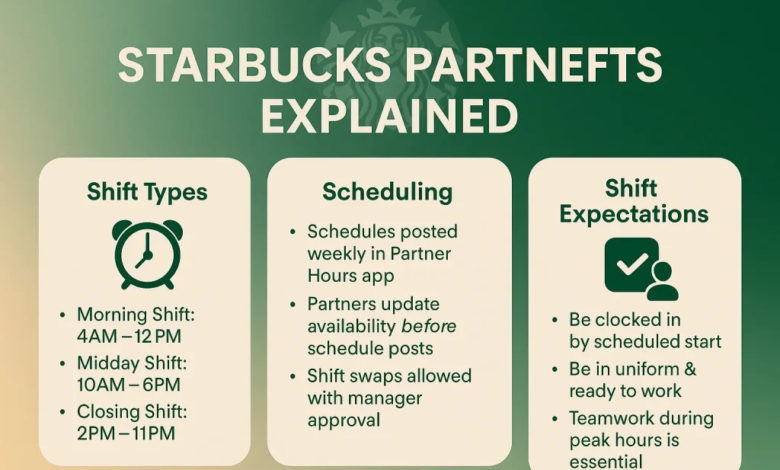
A Starbucks schedule usually includes several different types of shifts depending on business needs. Morning shifts often begin before sunrise so employees can prepare the store before customers arrive. These shifts are typically among the busiest because many customers stop by for coffee before work or school.
Midday shifts focus on maintaining steady operations during lunch hours and early afternoon. Employees working these shifts continue serving customers, preparing beverages, restocking inventory, and maintaining cleanliness throughout the café.
Closing shifts have their own responsibilities. Employees clean equipment, organize supplies, complete daily closing procedures, and prepare the store for the next morning. While customer traffic may slow down later in the day, closing duties require attention to detail and teamwork.
Factors That Influence Starbucks Scheduling
Several factors influence how Starbucks creates employee schedules. Customer traffic is one of the biggest considerations. Stores located in busy shopping centers or downtown business districts often require more staff during peak hours than stores in quieter neighborhoods.
Employee availability also plays a major role. Many Starbucks partners are students or have second jobs, so managers work around availability preferences whenever possible. Employees who communicate their schedules clearly often experience fewer conflicts.
Seasonal events can significantly impact scheduling as well. Holidays, promotional events, and special drink launches often attract larger crowds. During these periods, stores usually schedule additional employees to handle increased demand while maintaining excellent customer service.
Tips for Managing Your Starbucks Schedule
Keeping track of your schedule is essential for maintaining a healthy work-life balance. One of the best habits is checking your schedule regularly, especially after managers publish new shifts. This helps you avoid surprises and ensures you’re aware of any updates.
If you need time off, submit your request as early as possible. Advance notice gives managers more flexibility when creating schedules and increases the chances of your request being approved. Waiting until the last minute may create unnecessary challenges for both you and your coworkers.
Communication is another important aspect of schedule management. If an emergency arises or you need to swap shifts, notify your manager promptly and follow your store’s procedures. Responsible communication demonstrates professionalism and helps maintain smooth operations.
Shift Swapping and Schedule Changes
Unexpected situations happen, and sometimes employees need to change their schedules. Starbucks generally allows shift swaps when approved by management and when another qualified employee is available to cover the shift. Policies may vary slightly between store locations.
When requesting a shift swap, employees should coordinate with coworkers and inform management as soon as possible. Waiting until the last minute can make finding coverage more difficult and may create operational challenges during busy periods.
Managers must ensure every shift maintains proper staffing levels. Therefore, not every swap request can be approved immediately. Following established procedures helps ensure fairness while keeping the store fully operational.
Common Scheduling Challenges
Like any workplace, Starbucks scheduling comes with occasional challenges. One common issue is balancing employee availability with business needs. During holidays or peak seasons, managers may need to assign additional hours to maintain service quality.
Another challenge involves unexpected absences caused by illness or emergencies. Managers often need to adjust schedules quickly to ensure enough employees are available to serve customers without significantly impacting operations.
Communication also plays a critical role in preventing misunderstandings. Employees who regularly check their schedules and respond promptly to updates help minimize confusion and contribute to a more organized work environment.
Benefits of an Organized Starbucks Schedule
An effective Starbucks schedule benefits both employees and customers. Workers enjoy greater predictability, making it easier to plan school, family activities, and personal appointments around their work commitments.
Managers also benefit from organized scheduling because it helps optimize labor costs while ensuring adequate staffing during busy periods. Proper scheduling contributes to smoother store operations, improved productivity, and better teamwork among employees.
Customers ultimately experience the greatest benefit. When stores are appropriately staffed, wait times are shorter, beverages are prepared more efficiently, and customer service remains consistently high. A well-planned schedule supports the positive experience Starbucks is known for around the world.
Final Thoughts
Understanding the Starbucks schedule helps employees perform their jobs more confidently and efficiently. From accessing schedules digitally to managing shift swaps and understanding how staffing decisions are made, every aspect of scheduling contributes to the overall success of the store.
Whether you’re a new barista or a long-time Starbucks partner, staying informed about your schedule, communicating with management, and planning ahead can reduce stress and improve your overall work experience. Flexibility and teamwork remain key components of a successful scheduling system.
Ultimately, the Starbucks schedule is much more than a calendar of work hours. It serves as the foundation for efficient store operations, employee satisfaction, and outstanding customer service. By understanding how scheduling works and following best practices, employees can enjoy a smoother, more organized, and rewarding experience while contributing to the success of their store every day.