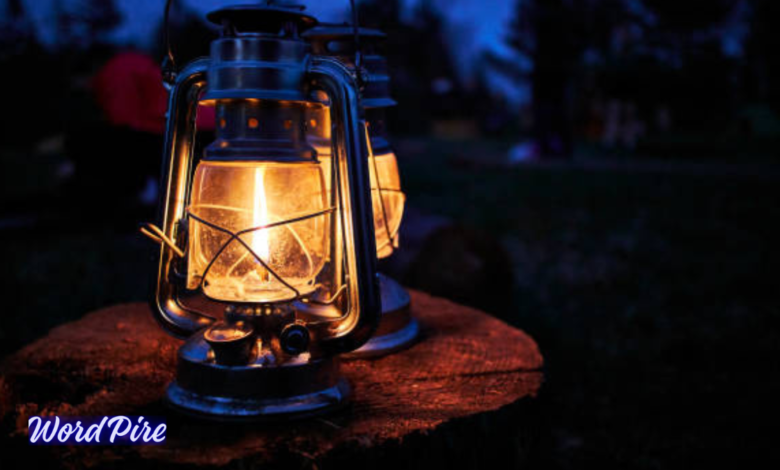
The gas lamp has been a hallmark of UK history, lighting streets, homes, and public spaces long before electricity became commonplace. Originating in the 19th century, gas lamps offered safety, warmth, and reliability, transforming urban life across cities like London and Manchester. Their soft glow became a symbol of progress, culture, and the charm of Victorian streets.
Today, gas lamps continue to attract enthusiasts, historians, and homeowners. They serve not only as functional lighting but also as decorative pieces that enhance the aesthetic of gardens, pathways, and outdoor spaces. Whether for historical restoration or modern décor, the gas lamp remains a timeless feature that combines heritage with practicality.
History and Evolution in the UK
Gas lamps first appeared on the streets of London in the early 1800s, bringing illumination to previously dark and unsafe streets. Victorian gas lamps became iconic, contributing to the urban landscape and transforming night-time activity. Many of these original lamps are preserved today as cultural symbols, including the last gas lamp in London, which draws visitors and historians alike.
The evolution of lighting reflects technological progress. Early kerosene-powered mantles gradually gave way to more efficient gas-fuelled systems, and modern installations now blend traditional design with contemporary safety and efficiency. Despite changes, the charm and historical significance of the gas lamp remain central to its appeal.
Different Types and Practical Uses
Outdoor lighting is where gas lamps truly shine, providing both illumination and decorative charm in gardens, patios, and streets. Camping gas lamps offer portability and functionality, ensuring visibility in outdoor settings. The versatility of the gas lamp makes it suitable for both decorative and practical purposes.
Gas lamp posts remain a popular choice for streets and private properties. Replacement mantles are essential for maintaining brightness and ensuring safety. Whether antique or modern, these lamps combine practicality with decorative appeal, making them highly valued by collectors and homeowners alike.
Presence Across UK Locations
Manchester’s historic streets feature gas lamps that celebrate the city’s heritage. Visitors enjoy exploring areas where traditional lighting still exists, connecting urban landscapes to the Victorian era. Wickersley also boasts notable installations that reflect local pride in preserving these timeless fixtures.
Aston Villa gas lamps are equally famous, blending decorative charm with historical significance. Gas lamps in such locations do more than illuminate; they symbolize community history and cultural continuity, attracting tourists and residents alike.
Maintenance and Replacement Tips
Maintaining a gas lamp is crucial to preserve both its appearance and functionality. Regular cleaning prevents soot and grime from building up, while careful handling of mantles ensures the lamp emits full brightness. Safe handling is essential, especially for indoor lamps.
Replacement mantles are easy to fit when instructions are followed carefully. Proper maintenance not only extends the lamp’s lifespan but also keeps it looking authentic. For antique and modern designs alike, attention to detail ensures the gas lamp continues to delight.
Decorative and Modern Applications
Victorian-style gas lamps remain popular in contemporary gardens and streets. Outdoor gas lamps create a warm, inviting atmosphere while blending historical charm with modern convenience. Many homeowners install them for their aesthetic appeal and functional lighting.
Modern decorative lamps often retain traditional features such as ornate posts and mantles while incorporating safer and more efficient gas technologies. By combining history, style, and practicality, gas lamps enhance spaces with a nostalgic yet functional touch.
Cultural Significance and Tourism
Gas lamps are cultural icons that contribute to the UK’s historic streetscapes. In London, walking tours frequently highlight gas lamps as part of the city’s heritage, with the last gas lamp serving as a popular attraction.
Their significance extends beyond major cities. Local events, festivals, and community projects often feature gas lamps, symbolizing continuity between past and present. The gas lamp serves both as functional lighting and a cultural emblem, bridging generations.
Conclusion
Gas lamps remain a symbol of heritage, beauty, and practicality across the UK. From historic streets to modern gardens, they offer both decorative charm and reliable lighting. Proper maintenance and restoration ensure these iconic lamps continue to illuminate spaces while preserving cultural significance.
Whether used indoors, outdoors, or for camping, gas lamps provide versatility, combining historical value with contemporary utility. They remain timeless, captivating, and a cherished feature in UK life.
Frequently Asked Questions
What is a gas lamp and how does it work?
A gas lamp produces light by burning a fuel gas such as propane or natural gas through a mantle.
Where can I buy gas lamps in Manchester or London?
They are available online or in specialised lighting stores across Manchester and London.
How do I replace a gas lamp mantle safely?
Turn off the gas, remove the old mantle, and fit a new one following instructions carefully.
What is the history of Victorian gas lamps?
Victorian gas lamps were introduced in the 1800s to light streets and homes, becoming an iconic part of UK heritage.
Are gas lamps suitable for outdoor use?
Yes, gas lamps are ideal for outdoor gardens, patios, and streets, providing functional light and decorative charm.
Where is the last gas lamp in London located?
It is preserved as a historic street installation, often featured in walking tours of London.
Can camping gas lamps provide reliable light in outdoor conditions?
Yes, camping gas lamps are portable and designed to provide dependable illumination for outdoor activities.
Also Read: Gilt Head Bream

