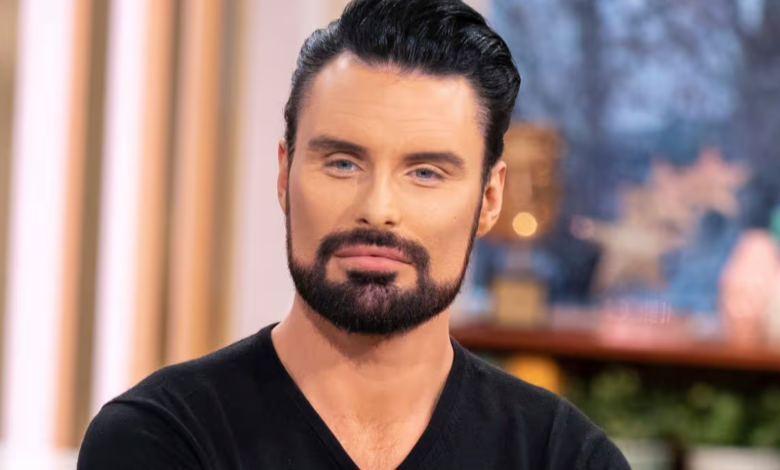
Rylan Clark Neal is a celebrated UK television personality who has captivated audiences with his charisma, humour, and vibrant on-screen presence. Rising to fame as a contestant on The X Factor, Rylan quickly became a household name thanks to his unique style and magnetic personality. Over the years, he has expanded his career, taking on multiple presenting roles and reality TV appearances that have solidified his status as one of Britain’s most recognisable media figures.
Fans across the UK and beyond admire Rylan Clark Neal not only for his professional achievements but also for his authenticity and relatability. His energy and charm have made him a staple on shows like Celebrity Gogglebox and This Morning. With each appearance, he continues to demonstrate a rare combination of wit, warmth, and professionalism that keeps audiences engaged. Rylan’s journey is a testament to his hard work, perseverance, and dedication to the entertainment industry.
Early Life and Background
Rylan Clark Neal was born on 25 October 1988 in Stanford-le-Hope, United Kingdom. Growing up in a supportive family environment, Rylan developed an early interest in performance, music, and television. His parents encouraged him to pursue creative endeavours, fostering a confidence that would later define his public persona. Early experiences in performing and presenting helped Rylan cultivate the skills needed for a successful career in the media.
Education and childhood hobbies played a vital role in shaping Rylan Clark Neal’s future. From participating in local shows to experimenting with music and acting, he demonstrated a natural flair for performance. These formative years laid the groundwork for a career that would blend entertainment, presentation, and personality. Fans often note that Rylan’s early experiences contributed to the approachable and relatable figure he has become today.
Rise to Fame and Career Highlights
Rylan Clark Neal first captured public attention through his participation in The X Factor, where his energetic performances and distinctive style earned him a loyal following. Despite not winning the competition, Rylan’s talent and personality opened doors to numerous opportunities in television. He soon gained national recognition after winning Celebrity Big Brother, which further established him as a versatile and engaging media personality.
Since then, Rylan Clark Neal has presented and appeared on a variety of TV shows, including Celebrity Gogglebox, This Morning, and Strictly Come Dancing: It Takes Two. His work demonstrates versatility, combining humour, relatability, and professionalism in every role. Rylan continues to take on projects that showcase his ability to connect with audiences, ensuring his career remains dynamic and influential in the UK television landscape.
Personal Life and Relationships
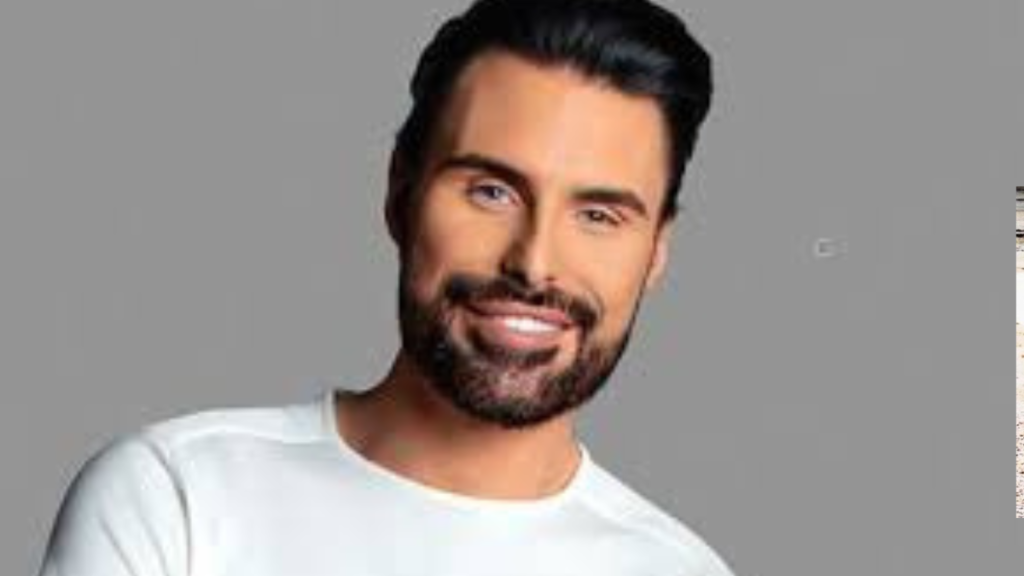
Rylan Clark Neal’s personal life has often been in the public eye, particularly his marriage to Dan Neal from 2015 to 2021. Their relationship attracted significant media attention, and the couple was frequently featured in interviews and press coverage. Despite their separation, Rylan has remained candid about his experiences, demonstrating maturity and resilience in navigating public scrutiny.
Beyond his marriage, Rylan Clark Neal has been open about his dating life and personal growth. He continues to prioritise positivity and self-expression while maintaining privacy in certain aspects of his life. Fans admire his honesty and relatability, as he shares personal insights without compromising his boundaries. His openness has helped him connect with a diverse audience and remain a beloved figure in British media.
Physical Appearance and Trivia
Rylan Clark Neal stands tall at 6 feet 4 inches, making him a striking presence on screen. His height, paired with his dynamic personality, gives him a natural advantage as a television presenter. Alongside his stature, Rylan is recognised for his distinctive smile and charismatic facial expressions, which have become signature features often discussed in media coverage.
Other unique traits, such as Rylan Clark Neal’s teeth, have also drawn attention from fans and media alike. These small but recognisable features contribute to his memorable public image. Combined with his engaging style and vibrant energy, Rylan Clark Neal’s physical appearance plays a role in his overall on-screen appeal, making him instantly recognisable to audiences across the UK.
Health and Challenges
Rylan Clark Neal has faced some health challenges, which he has discussed publicly with honesty and transparency. By sharing these experiences, he has inspired fans and highlighted the importance of self-care and awareness. Rylan’s ability to remain upbeat while addressing personal difficulties demonstrates his resilience and strength of character.
The pressures of fame and public scrutiny can be intense, yet Rylan Clark Neal continues to manage these demands effectively. Balancing a high-profile career with personal life requires discipline and adaptability, which he has mastered over the years. His openness about challenges has made him more relatable, fostering a deeper connection with fans who admire both his talent and his authenticity.
Social Media Presence
Rylan Clark Neal is active on multiple social media platforms, including Twitter and Instagram, where he engages with fans and shares updates about his work. His social media presence allows followers to gain insight into both his professional and personal life. Posts often include behind-the-scenes moments, humour, and commentary, which enhance his relatability and popularity.
Through social media, Rylan Clark Neal has built a strong connection with his audience. Platforms like Twitter provide a direct channel for communication, while Instagram showcases his personality and creativity. By maintaining an authentic and engaging online presence, Rylan strengthens his brand and extends his influence beyond traditional television, reaching audiences worldwide.
Financial Success and Salary
Rylan Clark Neal has achieved considerable financial success through his television career. Reports indicate that his presenting roles, particularly on BBC programs, have contributed significantly to his income. His earnings reflect both his talent and the value of his on-screen presence, making him one of the more successful media personalities in the UK.
Financial success has also allowed Rylan Clark Neal to pursue personal projects and philanthropic efforts. Beyond television, he has used his platform to support charitable initiatives and engage in meaningful collaborations. His career trajectory exemplifies how talent, determination, and smart career choices can lead to long-term success and stability in the entertainment industry.
Impact and Influence
Rylan Clark Neal has made a lasting impact on UK television and popular culture. His vibrant personality, inclusivity, and authenticity have reshaped audience expectations for media personalities. He serves as a role model for aspiring presenters and entertainers, inspiring many with his journey from reality TV contestant to established television host.
His influence extends beyond entertainment, as he participates in social campaigns and public engagements supporting various causes. Rylan Clark Neal continues to inspire fans with his humour, charisma, and dedication. His ongoing presence in British media ensures that his impact will be felt for years, maintaining his status as a beloved and influential public figure.
Conclusion
Rylan Clark Neal’s journey from The X Factor contestant to celebrated UK television personality is remarkable. His combination of talent, determination, and authenticity has solidified his place in the entertainment industry. Fans continue to follow his career closely, appreciating both his professional achievements and his relatable personality. Rylan Clark Neal exemplifies how charisma, skill, and perseverance can create lasting success in the media world.
Frequently Asked Questions
How tall is Rylan Clark Neal in feet?
Rylan Clark Neal is 6 feet 4 inches tall.
Who is Rylan Clark Neal’s ex-husband?
Rylan Clark Neal was married to Dan Neal from 2015 to 2021.
What illness does Rylan Clark Neal have?
Rylan Clark Neal has shared he has faced health challenges, including throat issues.
How much does Rylan Clark Neal earn on BBC?
Rylan Clark Neal earns a substantial salary from his BBC presenting roles.
What shows is Rylan Clark Neal currently hosting?
He currently appears on Celebrity Gogglebox, This Morning, and other TV projects.
Does Rylan Clark Neal have a husband now?
Rylan Clark Neal is currently single.
Why are Rylan Clark Neal’s teeth famous?
His bright and distinctive smile has become one of his signature features.
Is Rylan Clark Neal active on Twitter?
Yes, Rylan Clark Neal regularly shares updates and engages with fans on Twitter.
What is Rylan Clark Neal’s net worth?
His net worth is estimated to be in the millions, thanks to TV and presenting roles.
When did Rylan Clark Neal win Celebrity Big Brother?
Rylan Clark Neal won Celebrity Big Brother in 2013.
Also Read: burntwood weather