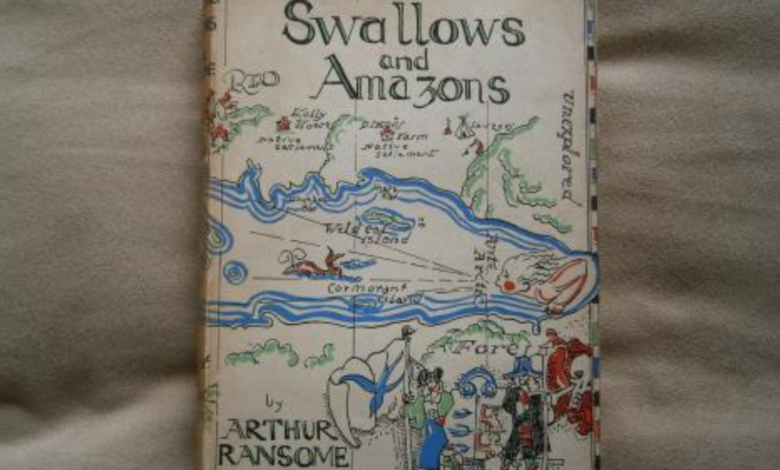
The Swallows and Amazons book series is a treasured collection of children’s adventure novels by English author Arthur Ransome. Written between 1930 and 1947, the series follows young characters as they explore lakes, rivers, and coastal areas during school holidays. Adventure, imagination, and outdoor exploration form the backbone of these stories, giving readers a glimpse into a world where children can solve problems, navigate dangers, and enjoy freedom and independence in nature.
These novels have stood the test of time because they combine fun, education, and moral lessons. The Swallows and Amazons book series captures the essence of childhood, blending teamwork, leadership, and courage into memorable adventures. With themes of friendship, exploration, and self-reliance, Ransome’s work continues to inspire generations of young readers, making it one of the most significant series in British children’s literature.
About the Author: Arthur Ransome’s Life and Literary Influence
Arthur Ransome, the mind behind the Swallows and Amazons book series, was born in 1884 and worked as a journalist before becoming a renowned children’s author. Ransome was deeply inspired by his love of sailing and outdoor life, which features heavily in his novels. His experiences travelling across England and Europe helped him create authentic, vivid settings, allowing children to immerse themselves in lakes, islands, and riversides.
Ransome’s influence on British literature is notable because the Swallows and Amazons book series introduced a sense of realism and adventure uncommon in children’s books of his era. Through detailed descriptions, clever dialogue, and relatable characters, he encouraged young readers to explore the outdoors and embrace curiosity. The series reflects not only Ransome’s love for adventure but also his skill at weaving learning into entertaining stories.
Swallows and Amazons Book Series in Order
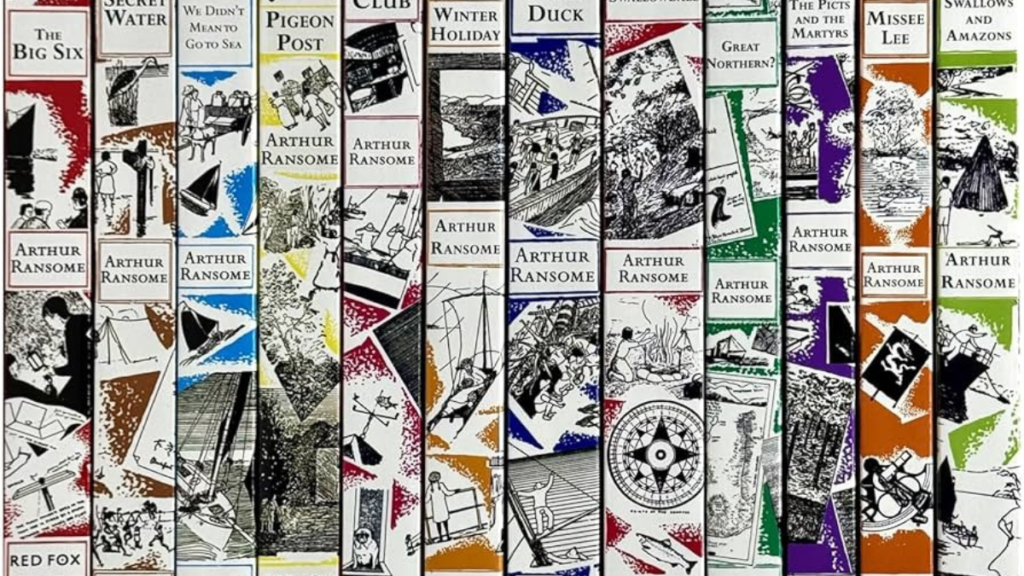
The Swallows and Amazons book series consists of twelve novels, each offering unique adventures while retaining a cohesive narrative across the series. The first book, Swallows and Amazons, introduces the Walker and Blackett children as they navigate lakeside escapades and imaginative games. Subsequent books like Swallowdale, Peter Duck, and Winter Holiday expand the characters’ experiences with sailing, treasure hunts, and holiday adventures.
Books such as Coot Club, Pigeon Post, and Secret Water continue the tradition of outdoor exploration, teamwork, and problem-solving. Later novels like We Didn’t Mean to Go to Sea and The Picts and the Martyrs introduce new challenges and locations while keeping familiar characters at the centre. Completing the series with Great Northern?, the Swallows and Amazons book series delivers a rich tapestry of adventure, growth, and imagination for readers of all ages.
Main Characters in the Swallows and Amazons Book Series
The charm of the Swallows and Amazons book series lies largely in its memorable characters. The Walker children—John, Susan, Titty, and Roger—exemplify courage, curiosity, and teamwork, inspiring readers through their daring adventures. The Blackett sisters, Nancy and Peggy, offer wit, resourcefulness, and determination, creating exciting dynamics and friendly rivalries that make the stories engaging and relatable.
Other recurring characters, such as the Callum siblings and Captain Flint, provide guidance, humour, and wisdom throughout the series. Across the Swallows and Amazons book series, these characters grow with each adventure, learning important lessons about responsibility, resilience, and empathy. Readers are drawn to their personalities and actions, which highlight the values of collaboration, trust, and courage in the face of challenges.
Themes and Motifs in the Swallows and Amazons Book Series
Adventure is at the heart of the Swallows and Amazons book series. Sailing, camping, and outdoor games drive the stories, encouraging children to embrace independence, curiosity, and self-reliance. The books consistently highlight teamwork and problem-solving, as characters work together to overcome challenges. Imagination transforms ordinary holidays into thrilling journeys filled with discovery and learning.
Nature is a recurring theme, with lakes, rivers, islands, and forests providing a vivid backdrop for the characters’ exploits. Friendship, family bonds, and moral lessons run throughout the Swallows and Amazons book series, helping children understand responsibility, courage, and empathy. These elements make the series educational as well as entertaining, and they ensure its lasting appeal across generations.
Historical and Cultural Context of the Swallows and Amazons Book Series
The Swallows and Amazons book series is set in Britain between the two World Wars, a period of significant social and cultural change. The books reflect the values, lifestyle, and landscape of interwar Britain, including school holidays, family dynamics, and outdoor leisure activities. Through the stories, young readers gain a sense of historical context while enjoying adventure and play.
Ransome also showcases the importance of self-education and practical skills, as characters learn sailing, navigation, and survival techniques. The Swallows and Amazons book series subtly teaches children about resilience, teamwork, and ethical behaviour while remaining entertaining. Its historical accuracy and immersive descriptions give the series depth, allowing modern readers to appreciate both the adventures and the period in which they are set.
Film Adaptations and Cultural Impact
The enduring popularity of the Swallows and Amazons book series has led to several film adaptations, including versions released in 1974 and 2016. These films bring the stories and characters to life for modern audiences while maintaining the charm and spirit of Ransome’s novels. Fans of the series enjoy seeing the adventures visualised on screen while connecting with familiar landscapes and characters.
Beyond films, the Swallows and Amazons book series has influenced fan communities, educational programmes, and outdoor activity initiatives. The Arthur Ransome Trust works to preserve the legacy of the series, keeping the stories relevant for new generations. From sailing clubs to themed tours of the Lake District, the cultural impact of the Swallows and Amazons book series remains strong, ensuring its place in British heritage.
Conclusion
The Swallows and Amazons book series remains a timeless collection that celebrates adventure, imagination, and the joy of outdoor exploration. Arthur Ransome’s novels combine educational elements with thrilling stories, encouraging children to embrace curiosity, resilience, and teamwork. Across twelve books, the series captures the spirit of childhood, making it a must-read for young readers and a cherished classic for adults.
The adventures of the Walker children, the Blackett sisters, and their friends continue to inspire readers to explore nature, value friendship, and enjoy imaginative play. The Swallows and Amazons book series is not just a set of stories but a guide to creativity, independence, and the enduring charm of British childhood adventure.
Frequently Asked Questions
How many books are in the Swallows and Amazons book series?
There are 12 books in the Swallows and Amazons book series.
What is the correct reading order of the Swallows and Amazons book series?
The series should be read in publication order starting with Swallows and Amazons.
Who wrote the Swallows and Amazons book series?
Arthur Ransome wrote the Swallows and Amazons book series.
Are the Swallows and Amazons book series suitable for modern children?
Yes, the series is still suitable and enjoyable for modern children.
Where are the adventures in the Swallows and Amazons book series set?
Most adventures are set in the Lake District and Norfolk Broads in England.
Has the Swallows and Amazons book series been adapted into films?
Yes, there have been multiple film adaptations, including versions in 1974 and 2016.
What age group is best suited for the Swallows and Amazons book series?
The series is best suited for children aged 8–14 but enjoyed by all ages.
Does the Swallows and Amazons book series teach any lessons?
Yes, it teaches teamwork, courage, independence, and problem-solving skills.
Are the characters in the Swallows and Amazons book series based on real people?
Some characters were inspired by Ransome’s friends and family, but most are fictional.
Why is the Swallows and Amazons book series still popular today?
Its themes of adventure, imagination, and outdoor exploration keep it timeless.
Also Read: Highest Mountain Greenland